
A guide to how Irish Ferries connects the crossing, time onboard and selected France stays, so first-time readers can see where the brand fits their plans.
For a first trip from Ireland to France, a ferry company can be more than a way to cross the water. The route, the ship and the onward plan all shape what the journey feels like. Irish Ferries presents itself as part of that larger travel picture, with a direct Dublin-Cherbourg route and selected holiday options in France.
We reviewed the Ireland-France pages and the route and ship information on the Irish Ferries site. The useful question is not simply whether a sailing exists, but how each part of the range might support a particular kind of trip.
Disclosure: this post includes affiliate links, and we may be paid a commission on purchases made through them.
Highlights
- Dublin-Cherbourg is the direct Ireland-France link at the centre of the offer.
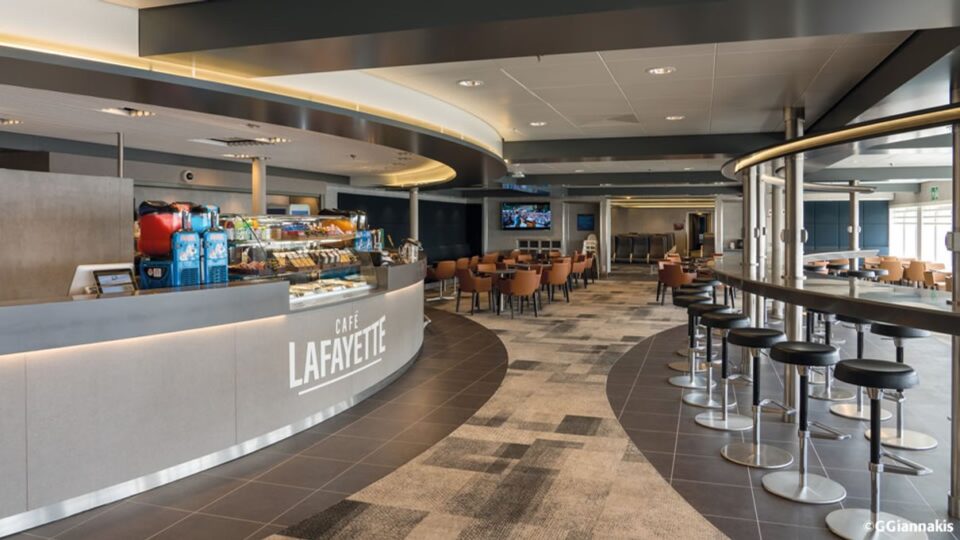
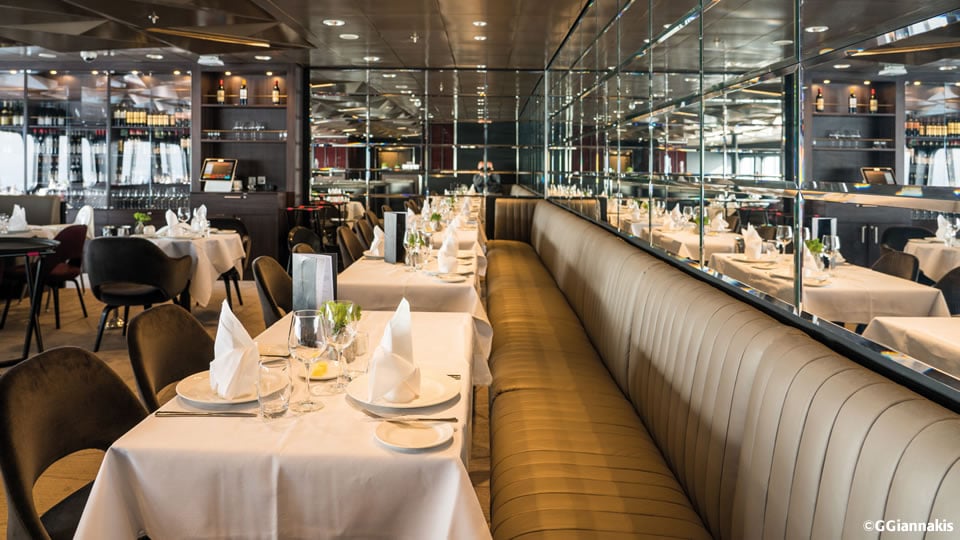
- The W.B. Yeats pairs the crossing with cabins, lounges and dining spaces onboard.
- Sail & Rail adds a rail connection option for travellers planning without a car.
- Eurocamp holiday parks and Parc Astérix extend the store into accommodation and attraction-led stays.
Irish Ferries links the crossing to a wider travel plan
The brand’s central role is straightforward: it operates ferry services connecting Ireland with Britain and France. For this feature, the Ireland-France offer is the relevant lens. The Dublin-Cherbourg route gives travellers a direct sea crossing between the two countries, with Cherbourg serving as the arrival point in Normandy.
This route-led approach has a practical effect on planning. It can make sense for travellers who want to bring a car, carry more luggage, or begin their France itinerary in the north-west. It also means the departure port and sailing schedule matter early: readers should check current Dublin-Cherbourg sailing information against their dates, onward drive and time available.
That is the useful context behind Irish Ferries as a travel brand. It gives the trip a physical link across the Channel, but the crossing is one part of a longer itinerary. Arrival time, check-in rules, vehicle requirements and any onward accommodation still need to be reviewed for the specific booking. The route page is the right place to compare these details before settling on a plan; readers can also review the route overview.
For readers travelling without a car, Sail & Rail is another strand of the Ireland-France story. It combines a ferry journey with onward rail travel, potentially changing the balance from driving to coordinating connections. Check the route, transfer timings, station locations and what is included in the chosen itinerary before relying on the connection. The Ireland-France Sail & Rail page outlines the option.
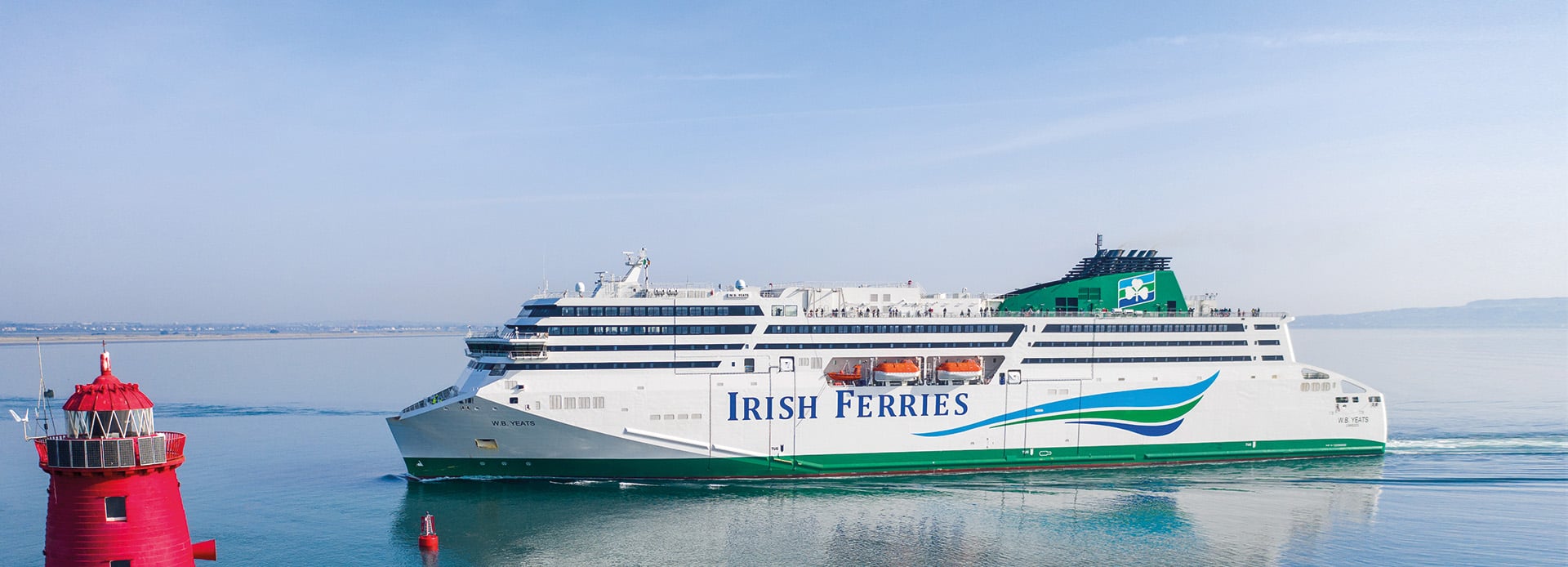
The W.B. Yeats makes onboard time part of the journey
A ferry crossing has a duration, and the ship’s spaces influence how that time is spent. The W.B. Yeats page describes a range of cabins and public areas rather than treating the ship as a simple vehicle deck. Travellers can compare options such as standard cabins, accessible cabins, suites and reserved seating, then decide what suits the length and timing of their sailing.
For an overnight or longer crossing, having a cabin may be valuable for rest and privacy; for a shorter trip, a public lounge or reserved seat may be enough. The site also highlights onboard places to eat and relax. Those are choices, not guarantees of a particular experience: availability, opening times and facilities may vary by vessel and sailing, so the booking details should be read for the selected date.
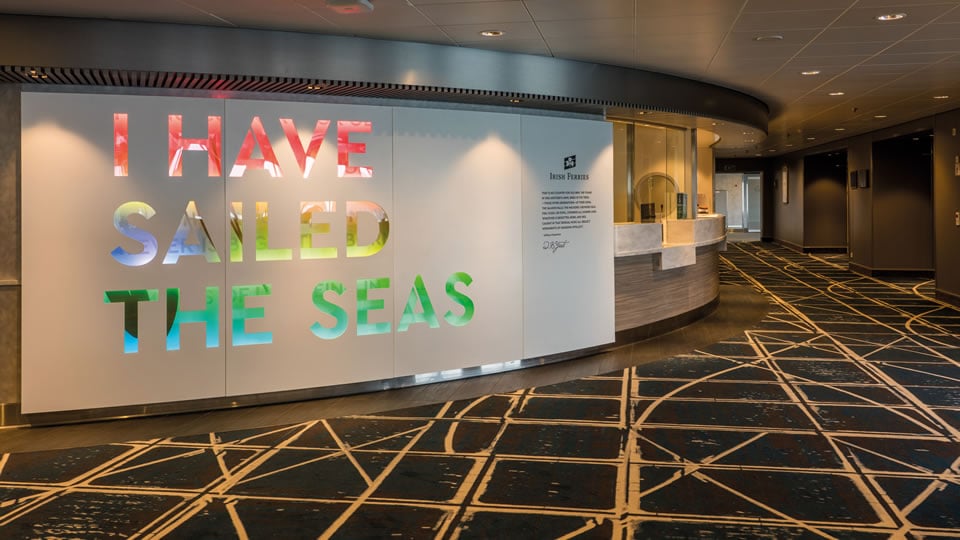
The W.B. Yeats therefore represents a broader brand idea: the crossing can function as travel time with options, not merely a gap between ports. A reader comparing ships or accommodation should start from the actual route and vessel information, then consider mobility, children, sleeping needs and budget. The W.B. Yeats ship guide gives a useful overview of the spaces and cabin categories. Explore its onboard facilities before choosing.
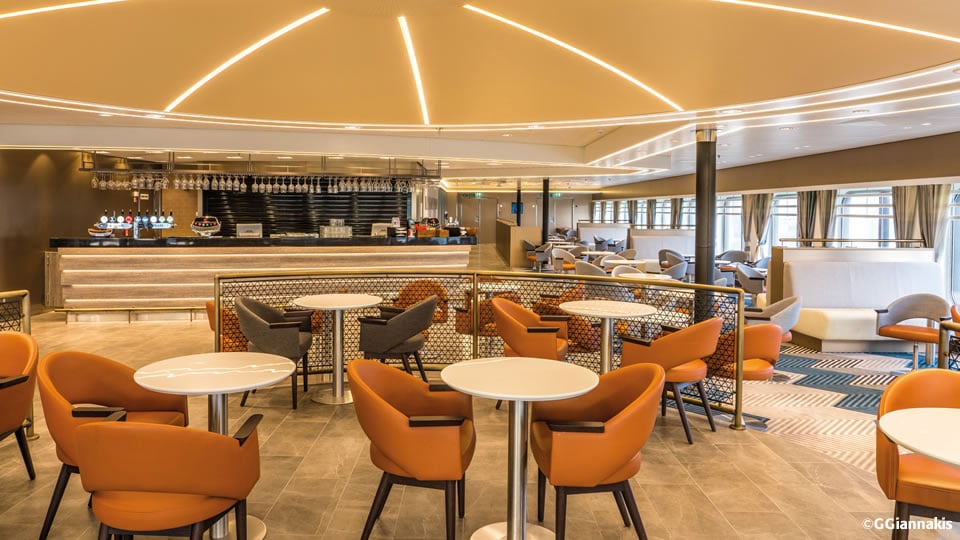
When browsing ship facilities, it helps to match the choice to the trip rather than assuming that the most elaborate cabin or lounge is automatically worthwhile. A quiet space, a place to sleep or room for a family may each matter differently. The right fit depends on how long you will be onboard and what you need at arrival.
- Check whether the sailing is overnight or daytime before choosing a cabin.
- Compare accessibility information with the needs of everyone travelling.
- Review which dining and lounge facilities are listed for the chosen ship.
- Keep vehicle, luggage and check-in requirements in view alongside onboard comfort.
France stays widen the brand beyond ferry travel
The Ireland-France store also presents holiday choices that can sit after the crossing. Eurocamp holiday parks add accommodation and park facilities to the planning mix. The range includes named parks such as Domaine de Drancourt and La Bien Assise, with different locations and amenities. The specific park page is more useful than the broad category when comparing pools, outdoor space, facilities and distance from the port. Browse the Ireland-France park options by location and amenities.
The range includes parks with different settings and amenities, which may matter to families or travellers who want activities close to their accommodation. The general listing does not establish opening dates, availability or what a particular stay includes. Read each listing for its accommodation type, facilities, location and terms; then map the drive from Cherbourg and any activities you want to reach. Check the Eurocamp holiday park descriptions for the details that matter to your group.
Parc Astérix offers a different emphasis: an attraction-led stay where the park itself may be the trip’s main draw. The Parc Astérix holiday page is relevant to travellers prioritising rides and park time over a wider regional itinerary. It is a distinct choice from a multi-day holiday park base, and visitors should check what the package or listing includes, travel distance and dates before booking.
These options make Irish Ferries more than a route directory, while leaving travellers responsible for checking the fine detail. Accommodation dates, park facilities, ferry availability and travel between locations all affect whether a combined plan is workable. Use the Eurocamp park listings to compare stays and the Parc Astérix details for an attraction-focused option. Check both France stay categories and the attraction listing against your preferred dates.
That breadth also changes how a first-time reader should browse: begin with the purpose of the trip, then follow the relevant part of the offer.
- Driving tour: start with the route, port arrival and onward distances.
- Car-free trip: review Sail & Rail connections and transfer arrangements.
- Rest-focused crossing: compare cabin and seating choices on the ship.
- Family base: check Eurocamp park facilities against dates and location.
- Short attraction break: inspect the Parc Astérix details and what the stay covers.
The range works best when each part matches the itinerary
The strongest feature of the Irish Ferries offer is its connected planning scope: a direct sea route, onboard choices and optional ways to organise onward travel or a stay. That combination is useful to readers who are still shaping the trip, especially when the port, transport mode and holiday base are not yet fixed.
Its limitation is that a wider range also means more separate details to verify. A ferry booking, rail connection, park stay or attraction package may have different terms and availability. Compare the ferry route details with any stay listing you are considering. The site’s listings are a starting point, not a substitute for checking the specific dates, inclusions, transfers and cancellation conditions. A little itinerary work is part of choosing well.
- Choose the departure and arrival points before comparing extras.
- Decide whether the trip needs a car, rail connections or local transfers.
- Set the holiday’s centre: ship time, regional touring, park stay or attraction.
- Check each selected page for dates, inclusions and conditions before committing.
Questions first-time travellers ask
Does Irish Ferries offer a direct route from Ireland to France?
Its Ireland-France pages list the Dublin-Cherbourg route. Check the timetable and booking details for your dates, since sailing schedules and availability can vary.
Can travellers plan an Ireland-France trip without driving?
The store lists Sail & Rail as an option combining ferry travel and onward rail arrangements. Review the itinerary’s connections and transfers carefully, as the details depend on the route booked.
Are holiday stays included with every ferry booking?
No single inclusion should be assumed. Eurocamp stays and attraction-led holidays are listed as separate options, so check each page and booking’s terms to understand what is covered.
Wrapping up
Irish Ferries is most compelling as a travel-planning starting point for people considering a sea crossing from Ireland and wanting to explore related ship, rail or France-stay options. The direct Dublin-Cherbourg route anchors the offer, while the W.B. Yeats and selected holiday listings add useful context for shaping the rest of the trip.
The honest caveat is that breadth does not remove the need to coordinate details: routes, dates, transfers, accommodation and inclusions all need a close read. If that fits your planning style, browse the Ireland-France pages and match the individual options to your itinerary.