
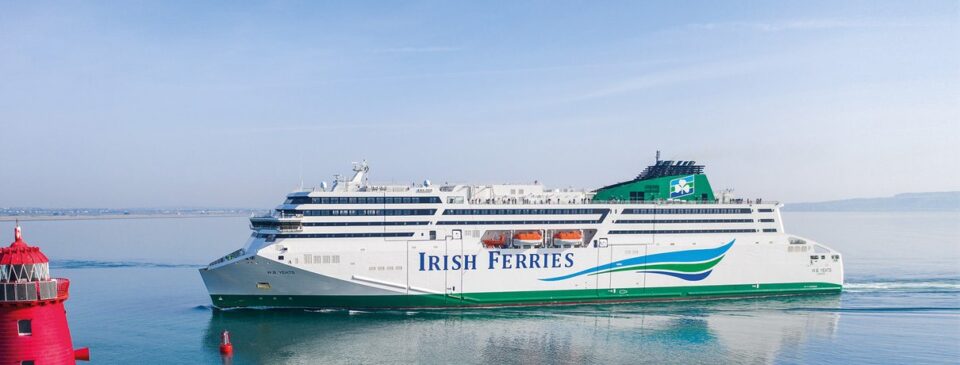
Compare the crossing, rail connection and holiday park options to see which Irish Ferries route structure fits your France trip.
Choosing how to get to France is partly a geography question and partly a question of who will handle the connections. Irish Ferries presents several travel formats: a direct ferry from Ireland, a ferry-and-rail arrangement, and holiday options that connect a crossing with a stay. They solve different planning problems, so treating them as interchangeable would obscure the main decision.
We reviewed the brand’s UK-region travel pages and offer descriptions for this guide. The useful comparison is not simply which route looks shortest on a map; it is whether your starting point, vehicle plans and preferred amount of advance organisation fit the route. The details of sailings, included elements and availability can change, so check the current store information before building a fixed itinerary.
Disclosure: this post includes affiliate links, and we may be paid a commission on purchases made through them.
Highlights
- Dublin-Cherbourg is a direct Ireland-France crossing for travellers whose trip begins in Ireland or can sensibly connect there.
- Ireland-France Sail & Rail links ferry travel with onward rail, trading some driving for a connection to coordinate.
- Eurocamp Holiday Parks make a selected stay part of the planning decision, while leaving travellers to check the precise accommodation and travel terms.
- Departure location, vehicle needs and onward plans matter more than choosing a single option by headline convenience.
Dublin-Cherbourg is a direct crossing when Ireland fits the itinerary
The Dublin-Cherbourg route aboard W. B. Yeats is the most straightforward option in the range for a traveller already in Ireland, or one whose wider journey can accommodate reaching Dublin. Its geographic advantage is: the ferry connects Ireland with Normandy without first routing through Britain. That directness is meaningful for an Ireland-based road trip, but it does not automatically make the route the easiest choice for someone starting in Great Britain. The journey to Dublin remains part of the plan.
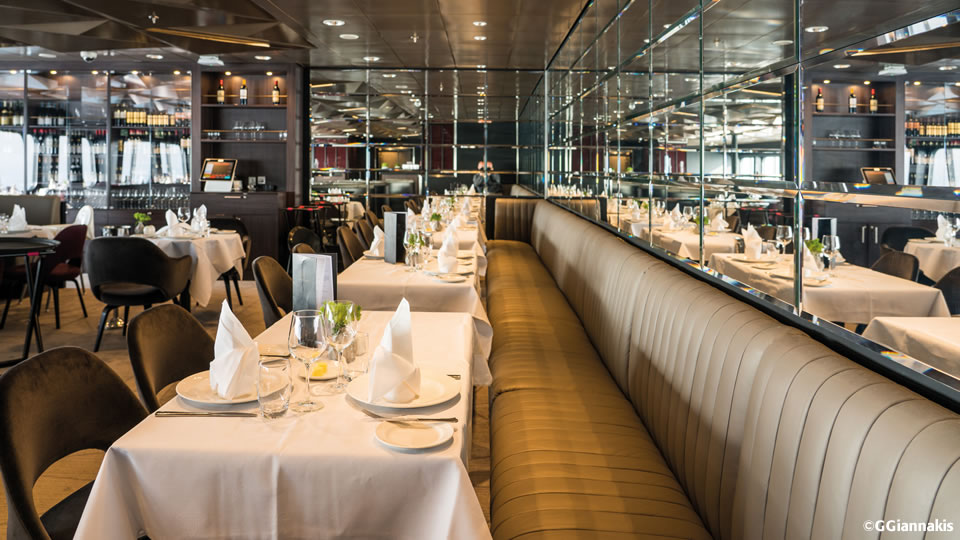
The onboard setting adds another consideration. Irish Ferries lists accommodation, dining and public spaces aboard W. B. Yeats; the ship page describes facilities rather than guaranteeing a particular experience on every sailing. Travellers can inspect the vessel’s cabins and spaces through the W. B. Yeats ship details, then decide whether a cabin or other extras make sense for their timing and party. The crossing is transport first, so onboard amenities should support the journey rather than determine the destination.
For a family or group travelling with a car, taking the vehicle can preserve flexibility after arrival, but it also means planning the road leg beyond Cherbourg. Foot passengers avoid bringing a car, though they need to arrange onward transport in France. Compare those practical implications on the Dublin-Cherbourg route page and current sailing details before committing. This is a useful route when both ends of the journey work; it is a poor fit if reaching Dublin adds a major detour.
- Map the journey to Dublin as part of the total travel time.
- Decide whether bringing a vehicle is central to the France itinerary.
- Check sailing dates, check-in requirements and onward travel from Cherbourg.
- Treat cabins and onboard facilities as trip-planning choices, not included assumptions.
The route page is the appropriate place to confirm the current crossing information. Review Dublin-Cherbourg route details before you settle accommodation or driving plans, and compare that route against options that start closer to your actual departure point. Check current Dublin-Cherbourg sailings and see W. B. Yeats onboard facilities as part of the same decision.
Sail & Rail cuts out some driving but adds a connection
Ireland-France Sail & Rail is aimed at travellers who want to combine ferry travel with train travel rather than drive the full route. Its practical appeal is: it combines the sea crossing with onward rail; on an itinerary where stations serve the intended destinations, that can avoid driving the full France leg. That makes it worth examining for city-focused trips or travellers who do not want a car in France. The trade-off is that a ferry and train journey requires attention to the handover between modes.

Read the conditions on the Ireland-France Sail & Rail page carefully. The product name describes the travel combination, but travellers should establish which rail segment and booking steps apply to their own itinerary. Timings, station access, luggage handling and the buffer between arrival and departure all affect whether a connection feels manageable. The source page should settle what is included; do not assume that every train, transfer or local journey is covered just because the offer includes rail.
For travellers whose planned stops are served by the relevant trains, the rail leg may avoid arranging a rental car for the whole route. That depends on the actual stations and connections, so compare the complete itinerary before deciding. For travellers carrying bulky equipment, travelling with mobility needs, or wanting to change plans spontaneously, the extra connection may reduce flexibility. Check Sail & Rail details alongside the ferry schedule and onward train plan. Its value depends on a compatible itinerary, not merely on the fact that driving is optional. Check the current Sail & Rail option for the terms attached to your journey.
- Confirm the exact train journey and stations for your dates.
- Allow a realistic connection buffer around the ferry arrival.
- Check what luggage and local transfers remain your responsibility.
- Compare rail convenience with the flexibility a car would provide at your destination.
This is a distinct product rather than a universal replacement for a car ferry. The official Sail & Rail information is the place to verify booking sequence and journey terms, while the Dublin-Cherbourg route information helps compare the underlying sea crossing. Review the rail connection details and check route information before fixing onward plans. If your desired destination is poorly served by rail or the connections do not fit, the apparent reduction in driving can be offset by extra transfers.
Eurocamp makes the stay part of the travel choice
Eurocamp Holiday Parks shift the decision from crossing alone to the shape of the whole break. Irish Ferries’ UK-region page presents holiday park choices alongside France travel, which can help travellers who already want a park-based stay and would rather consider transport and accommodation together. It is a more joined-up starting point than selecting a crossing and searching independently, but the listing does not remove the need to check the exact property, dates, accommodation type and booking terms.
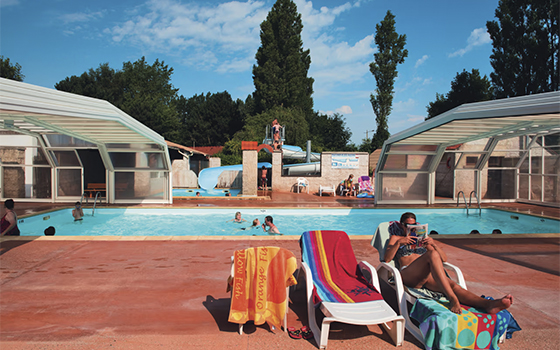
The range includes named parks and different settings, so compare the actual stay rather than relying on the broad Eurocamp label. Facilities, location and the kind of accommodation can vary from one park to another. The current Eurocamp Holiday Parks page is the source for the available options and what each one offers. For example, the La Bien Assise listing shows pool facilities, which may matter to a family choosing a park stay. A traveller planning day trips may care more about location and road access. Check each park separately because facilities vary.
Bundling a stay with ferry planning can reduce the number of separate decisions at the start, but it also narrows the choice to the properties and travel arrangements shown. It may not suit a touring itinerary that changes location every few nights, a city break based around central accommodation, or someone who already has a preferred place to stay. Compare the listed park against independent accommodation needs before treating the combined format as better value. Compare the available Eurocamp parks with the location you want to visit. View the current Eurocamp options and check the linked property information for the terms that apply.

The crossing remains a separate practical element to understand even when the holiday has an accommodation component. Check whether the route and schedule work for your party, then establish exactly what is included in the stay and how changes are handled. Explore Eurocamp holiday parks for the accommodation choice and review the route information for ferry planning. That two-part check helps prevent a convenient-looking holiday listing from hiding an awkward arrival or onward drive. Check Eurocamp stay details and review the ferry route before booking.
Great Britain departures start with Dover-Calais
For readers beginning in Great Britain, the most relevant route on the UK store is Dover-Calais. This provides a Britain-France crossing without first travelling to Ireland. The UK-region page shows the Dover-Calais service and associated route information; travellers should check current sailing and booking details there. By contrast, Dublin-Cherbourg only makes sense for a Britain-first trip if the journey to Dublin is itself workable. That distinction changes the recommendation: start with Dover when the trip begins in Britain, then assess Sail & Rail or a park stay as separate planning choices.
| Option | Starting point and mode | Best fit and trade-off |
|---|---|---|
| Dover-Calais | Great Britain to France by ferry | Britain-first trips; plan onward travel from Calais. |
| Dublin-Cherbourg | Ireland to France by ferry | Useful when Ireland fits the journey; reaching Dublin is extra planning for Great Britain starts. |
| Ireland-France Sail & Rail | Ferry plus rail journey | Consider when stations and train connections suit; verify segments and transfers. |
| Eurocamp Holiday Parks | Ferry planning alongside a park stay | Consider when a holiday park suits; compare property, location and booking terms. |
The table is a starting point, not a promise that every travel component is bundled. Check Dover-Calais route information for the Great Britain crossing, then verify onward transport and the details of any stay separately.
A quick decision sequence can keep the options clear:
- Start with your departure location and the total journey to the port.
- Choose whether a car is needed at the destination or rail is practical.
- Decide whether you want to select accommodation separately or consider park stays with the travel plan.
- Check dates, transfer details, availability and applicable booking terms on the relevant UK-region page.
Our assessment is that Irish Ferries is strongest when its route structure matches a trip you already want to take. The direct Ireland-France crossing, rail combination and park-based stays are clear options with different purposes. The limitation is that travellers still need to reconcile departure geography, connections and stay details; the pages do not make those choices disappear. Browse the Dublin-Cherbourg route, Sail & Rail option and Eurocamp stays side by side, then verify the details for your dates. You can also check W. B. Yeats facilities, read the Sail & Rail terms and view the holiday park choices during that comparison.
Questions travellers ask about Irish Ferries to France
Is Dublin-Cherbourg suitable for a UK-based trip?
It can be, if reaching Dublin fits the overall itinerary or Ireland is already part of the journey. Travellers starting elsewhere in Great Britain should include the added journey to Dublin when comparing routes. See the Dublin-Cherbourg route details before deciding.
Does Sail & Rail mean no planning between ferry and train?
No. The option combines ferry and rail travel, but travellers should confirm the journey segments, stations, booking process and connection time on the official Sail & Rail page. Transfers and local travel may still need separate planning.
Are Eurocamp stays right for every France break?
They are most relevant when a holiday park is the kind of accommodation you want. A touring trip or city-centred stay may call for a different arrangement. Compare specific parks, locations and terms on the Eurocamp page.
Wrapping up
We recommend choosing Irish Ferries by itinerary: use the direct Dublin-Cherbourg crossing when Ireland is a sensible starting point, consider Sail & Rail when the rail connection works for your destination, and look at Eurocamp when a park stay is part of the holiday. The honest limitation is that route fit, transfers and accommodation details still require checking for your dates. For a UK-based reader, that planning step is essential before treating any one option as the obvious choice.