
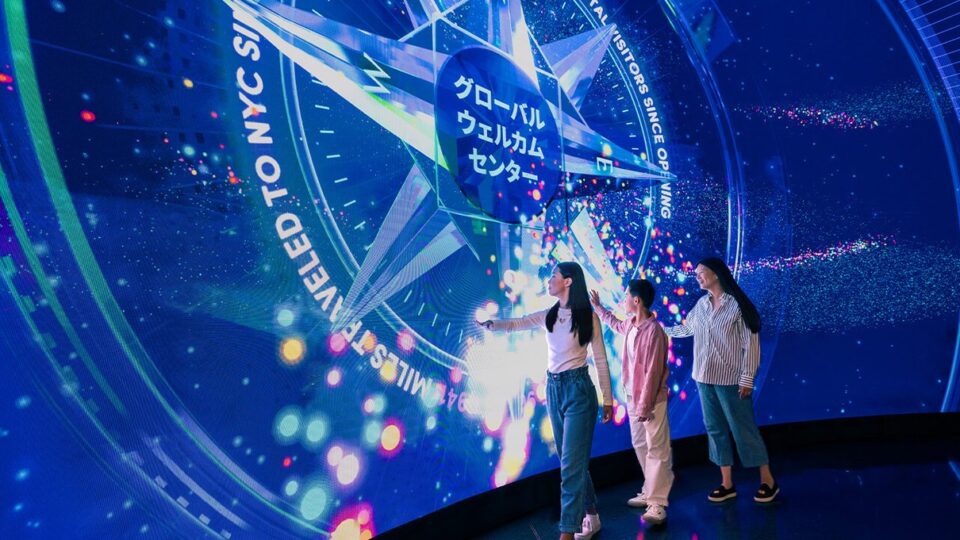
A closer look at how One World Observatory combines a landmark setting, city-scale views and ticket choices for different kinds of New York visits.
A visit to an observation deck is partly about the view, but the setting and the route up can shape the memory just as much. One World Observatory makes that idea central: it sits high inside One World Trade Center, framing the city from a building that is itself part of Lower Manhattan’s modern skyline. For first-time readers, the useful question is what the brand adds around that vantage point, and how its official options change the visit.
We reviewed the attraction’s official information and ticket listings for this introduction. The range runs from admission focused on the outlook to packages that connect the visit with dining, family planning or a hosted tour. The details matter because each option changes the shape of the day, not the destination itself.
Disclosure: this post includes affiliate links, and we may be paid a commission on purchases made through them.
Highlights
- One World Observatory places panoramic city views at the center of its offer, from the upper floors of One World Trade Center.
- The SkyPod ascent adds a multimedia city-history sequence on the way up, giving the journey an interpretive element.
- VIP Tour & Dine Experience brings a guided visit together with a meal, while the Late Night Package and Family Pack address different visit styles.
- The best fit depends on how much structure, food and coordination a group wants built into a Lower Manhattan outing.
- Current inclusions and prices are subject to change; the official ticket page is the place to confirm details before booking.
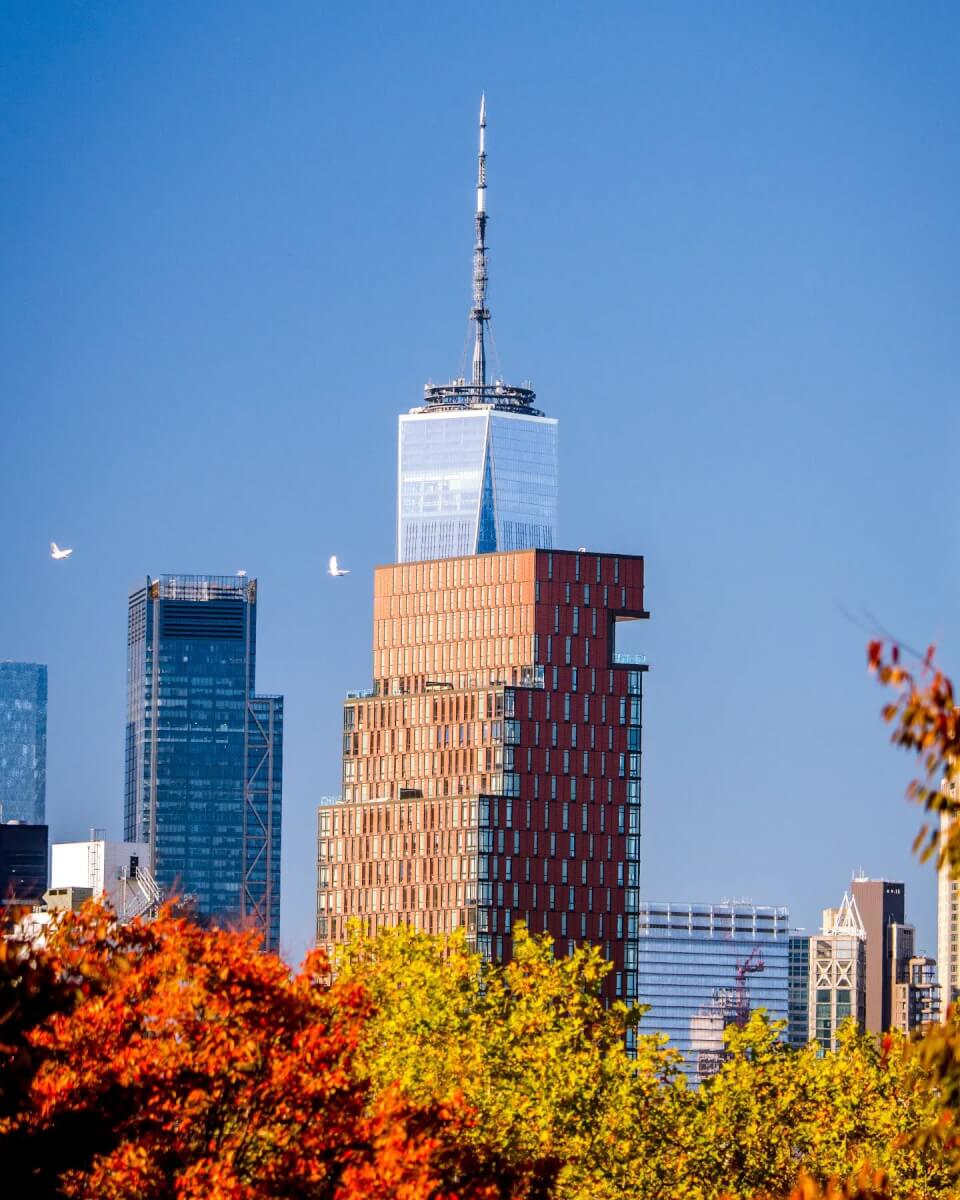
A landmark setting gives the view its context
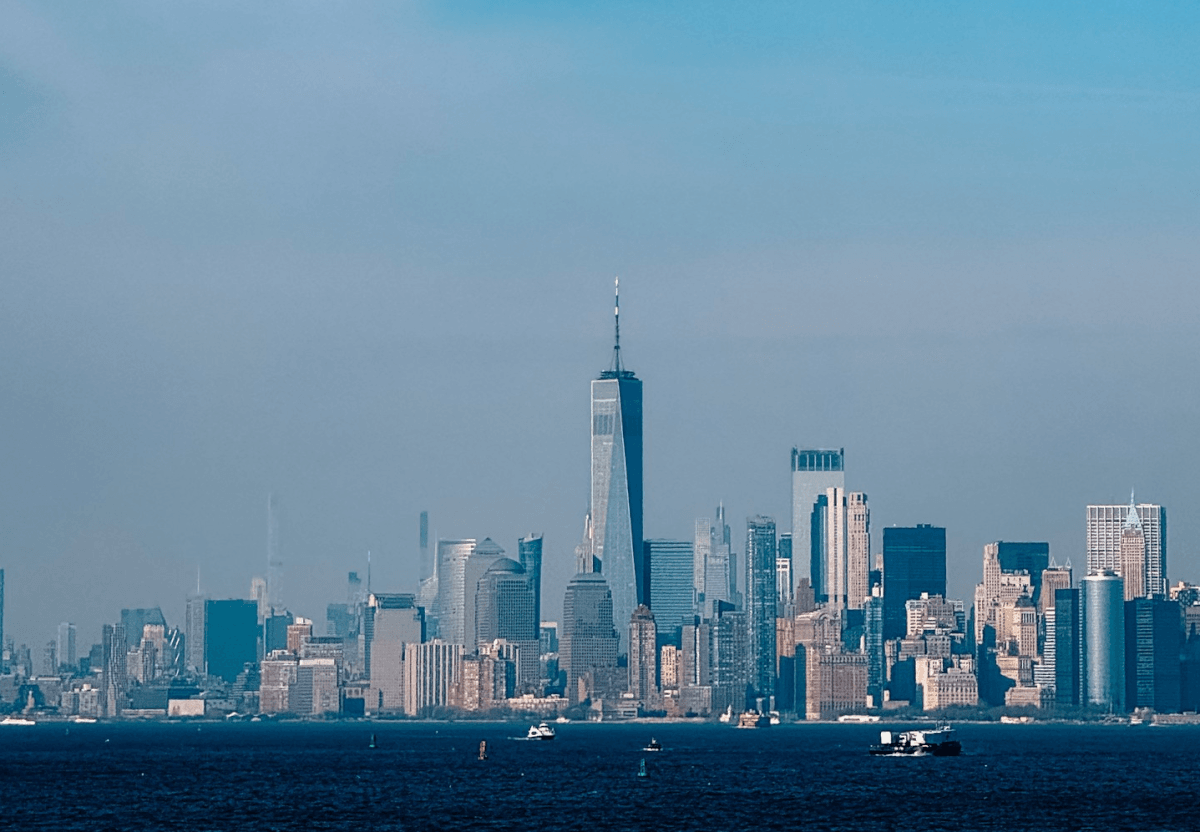
One World Observatory is located at One World Trade Center, a prominent part of the Lower Manhattan skyline. That address gives the experience a strong sense of place: the visit is not an isolated ride to a high platform, but a stop within a district shaped by history, transit, architecture and remembrance. The official site describes sweeping views across New York from the observatory’s upper levels, and that citywide perspective is the clearest reason to put it on an itinerary.
For a first visit, think about the deck as a way to orient yourself. From above, the harbor, bridges and towers and street pattern make the city feel legible at a glance. Weather and visibility influence how much detail comes through, so the outlook is naturally more compelling when conditions are clear. The attraction’s own See Forever Commitment explains the site’s approach to visibility-related visits; it is sensible to read the current terms directly before treating it as a guarantee.
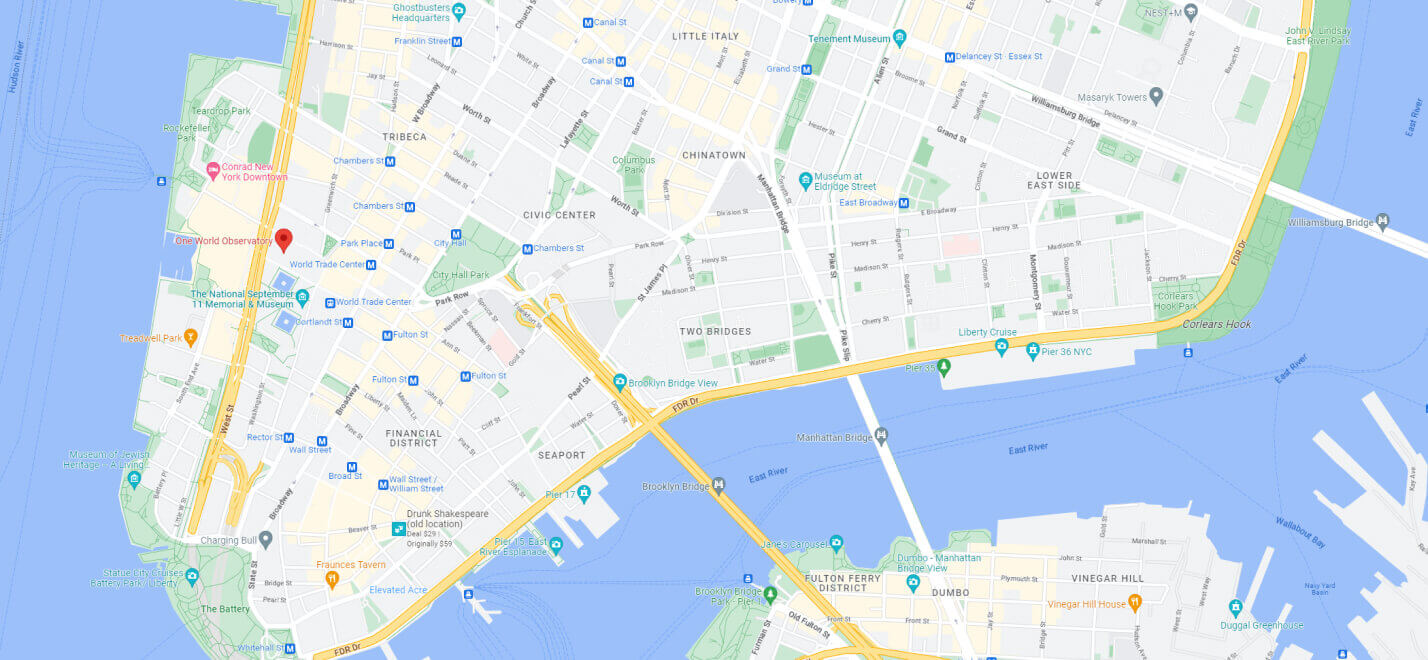
The setting also makes the observatory easy to pair with nearby plans. A map and route check can help you decide whether the visit belongs before or after other Lower Manhattan stops. The official ticket and visit information brings together ticket details and the practical planning pages, while the observatory’s location and access details are worth checking if you are coordinating a group.
The SkyPod turns the ascent into part of the story
The brand’s SkyPod elevator is one of its defining features. Rather than treating the upward trip as dead time, the ride uses multimedia displays to present a changing view of New York’s development. That small change in pacing gives the attraction a narrative frame: visitors move from the city’s earlier landscape toward the contemporary skyline before reaching the viewing levels.
This helps explain why the experience can appeal beyond dedicated architecture fans. A visitor who mainly wants photographs still gets a memorable transition; someone interested in how the city grew gets a short layer of context before looking out over it. We would see this as a distinctive supporting feature, not a substitute for the view itself. The observatory’s official experience overview gives more detail on the route through the attraction.
- Use the lift sequence as an introduction to the city’s changing skyline.
- Allow time to look around the observatory levels rather than treating the elevator as the whole experience.
- Check operating details and accessibility information on the official visit pages before setting a tight schedule.
Three ticket offers shape different kinds of visits
The ticket range is a useful guide to the brand’s idea of hospitality. Family Pack is framed for parties planning a shared visit, and the group-oriented structure may make coordination simpler when several people are traveling together. It is still worth confirming current eligibility and what the pack includes before relying on it for a particular party.
Family Pack should be considered by visitors who value a packaged choice more than selecting each part of a day separately. The Late Night Package takes another approach: its timing can suit people who prefer an evening visit and want to connect the skyline stop with food or drink. Because included elements can change, read the current listing closely rather than assuming the name alone tells you everything.
For a more hosted occasion, VIP Tour & Dine Experience combines a guided observatory visit with dining. That combination is most relevant when visitors want interpretation and a meal to be part of one planned outing. It is less essential for someone whose priority is a flexible, view-first stop. The site’s VIP Tour & Dine listing is the appropriate place to check the current format.

The range is strongest when a package solves a real planning need
These offers are not simply levels on a ladder. They solve different planning problems: the Family Pack gathers a party around a shared booking; the Late Night Package links timing with an evening atmosphere; VIP Tour & Dine gives the visit a host and a meal. A reader can compare those benefits against a basic admission option on the official page, then decide whether the added structure matches the day they have in mind.
- Choose the Family Pack when the group format and current inclusions fit your party.
- Look at the Late Night Package if an evening skyline and food belong in the plan.
- Consider VIP Tour & Dine when guided context and dining are both priorities.
- Keep a simpler admission choice in mind if you prefer to decide the rest of the day as you go.
This kind of comparison is more useful than assuming the most inclusive listing is automatically best. A hosted meal may be valuable for a special occasion and unnecessary for a quick view stop. A family grouping can simplify the booking while still requiring individual timing and access checks. Follow the links to each Family Pack detail, Late Night Package detail, VIP Tour & Dine detail, the family-focused ticket information and the evening package information and compare what is currently included.

Good planning leaves room for weather and the neighborhood
An observation visit is shaped by visibility, crowd movement and the other stops around it. Give yourself enough time to arrive, pass through entry procedures and explore the viewing levels without compressing the whole outing into a narrow gap. If a skyline photograph is important, consider how the light and weather may affect the result, and keep a little flexibility where your schedule allows.
The official site has separate information for opening details, directions, accessibility and dining. Follow directions and arrival information or accessibility details when they affect your plans. Those operational details are more useful than relying on a third-party summary because they can change, and the brand controls the ticket terms. Check the current page for the exact ticket inclusions and any booking conditions. The official One World Observatory ticket page is also where visitors can confirm current price information without relying on an old quote. Check ticket inclusions and official booking details alongside the package name.
- Check the current schedule and entry instructions before choosing a time.
- Review the package’s included elements and restrictions rather than inferring them from its label.
- Plan nearby Lower Manhattan stops around the observatory’s location and your preferred arrival window.
Questions visitors ask about One World Observatory
What makes One World Observatory different from a basic lookout?
The official experience combines the high-rise view with the SkyPod elevator’s multimedia ascent and interpretive elements on the observatory levels. Package choices can add a guided tour or dining, depending on the listing.
Which official offer is best for a first visit?
There is no universal best fit. The Family Pack may suit a group booking, the Late Night Package can work for an evening-oriented plan, and VIP Tour & Dine is for visitors who want guidance and a meal included. Compare the current inclusions before choosing.
Should we book around the weather?
Visibility affects what you can see from an observation deck. Check the official site’s current policies and visibility information, then choose a time that fits the rest of your day.
Wrapping up
One World Observatory has a clear identity: a landmark vantage point paired with a narrated ascent and ticket offers that can make the visit more hosted or convenient. We recommend it most to travelers who want a skyline perspective anchored in Lower Manhattan, especially when the view is one part of a wider downtown day. The packages are useful when their specific additions fit your plans, rather than as automatic upgrades.
The honest limitation is that the central draw remains a view, and visibility depends on conditions outside the attraction’s control. Start with the ticket format that matches your group and schedule, then verify the current details on the official United States page.