

We compare three DutchGrown™ tulip listings by flower character, planting role and the trade-offs that matter when planning a spring display.
Choosing tulips online can mean deciding between one distinctive variety, a coordinated collection or a mixed planting. Those formats answer different questions: do you want a particular flower, a repeatable visual theme, or a broader blend without selecting every cultivar? DutchGrown™ lists all three kinds of option, but the product names alone do not make their differences obvious.
This comparison looks at Tulip Mara, Tulip Zebra Collection and Tulip Rembrandt Mix using the UK store’s product information. The listings present them as different routes to a spring display, rather than interchangeable packets. We have reviewed the product information only; current stock, pack details and planting instructions should be checked on each listing before making a plan.
Disclosure: this post includes affiliate links, and we may be paid a commission on purchases made through them.
Highlights
- Tulip Mara is the compact species-tulip pick for an early, natural-looking display.
- Tulip Zebra Collection favours a coordinated patterned effect across a planting.
- Tulip Rembrandt Mix offers colour variation for gardeners who do not need one named cultivar.
- All three are seasonal bulbs; check the UK product pages for current availability and planting guidance.
Three tulip formats solve different planting problems
The key distinction is how much direction each option gives you. A named tulip specifies one cultivar; a collection groups varieties around a visual idea; a mix leaves more of the selection to the supplier. That changes how precisely you can plan colour and repetition.
DutchGrown™ sells seasonal bulbs and plants through a UK store. Product pages can help buyers compare listed traits, but cannot predict how soil, exposure or weather will affect a garden. The format comes first; then check the cultivar and planting instructions.
- Single variety: more specific cultivar choice.
- Collection: a bundled visual theme.
- Mix: broader variation with less control over contents.
Tulip Mara suits a smaller, more individual display
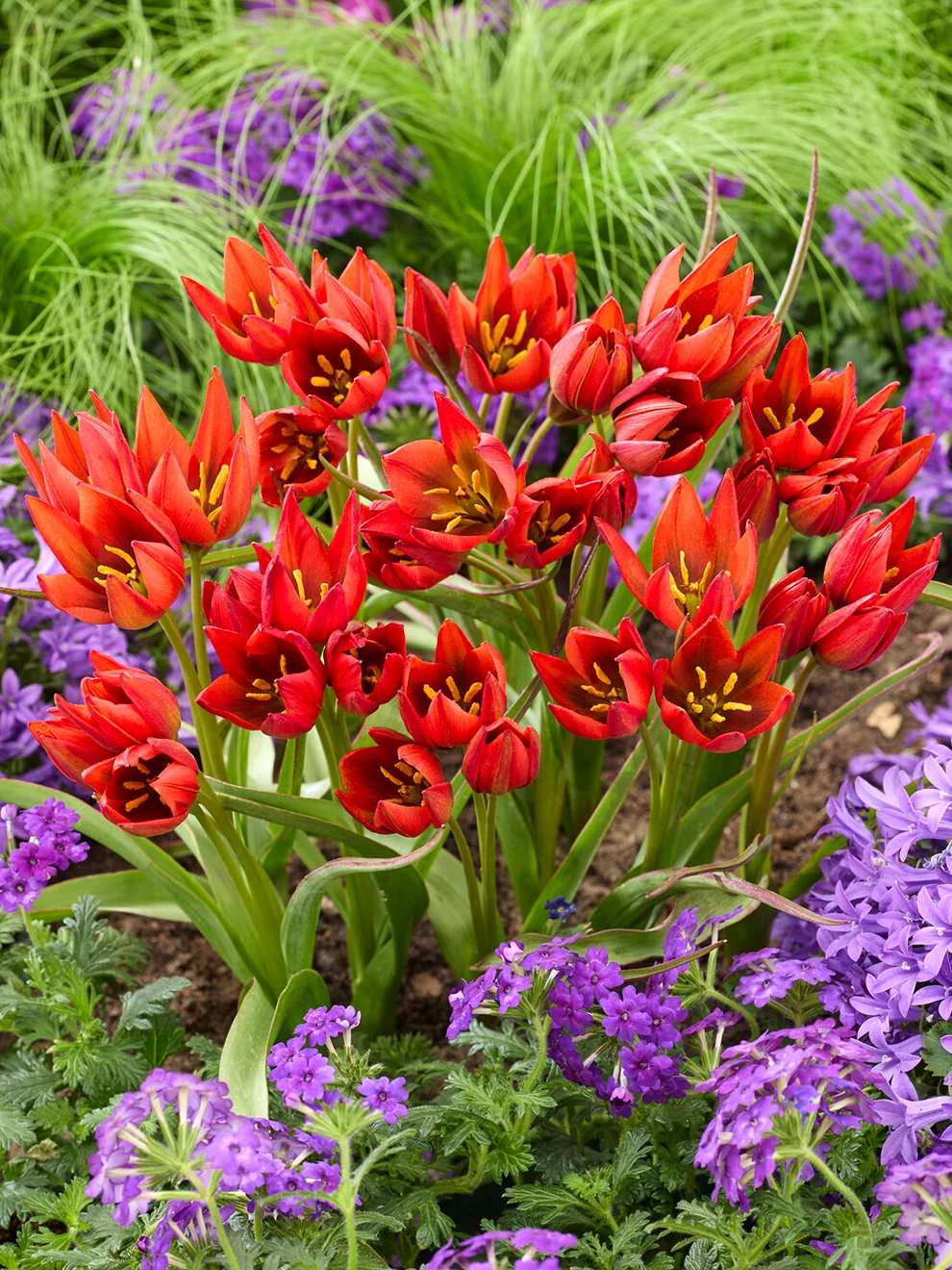
Tulip Mara is described as a miniature species tulip, with warm cinnamon-red to red-orange blooms and greenish markings on the outer petals. The listing says flowers can open into star-like shapes in bright conditions, while cooler or cloudy weather keeps them more closed. That changing form gives the named variety a character that a mixed packet cannot promise in quite the same specific way.
Its miniature scale makes Mara a plausible fit for a rock garden, border edge or container where a lower-growing bulb can be seen close up. It suits a buyer who wants a named flower rather than a broad palette. Check the current UK listing for planting depth, spacing and seasonal guidance.
- Best fit: a smaller space or a close-view planting.
- Trade-off: one named flower character gives less overall variety.
- Choose it when: you want the cultivar itself to lead the display.
Compare the specific details on the Tulip Mara listing with the broader effects of the Zebra Collection and the Rembrandt Mix. The difference is not simply colour: it is whether you want to build around one recognisable flower or allow several forms to contribute to the same patch. Check Mara for a specified cultivar, Zebra for a collection-led pattern and Rembrandt for a mix-led palette.
Tulip Zebra Collection makes pattern the main event
Tulip Zebra Collection is the collection-led option here. Its name and product presentation signal a coordinated, patterned tulip effect rather than a single named cultivar like Mara. For a gardener who wants visual rhythm repeated through a bed, a collection may reduce the work of combining separate varieties by eye.
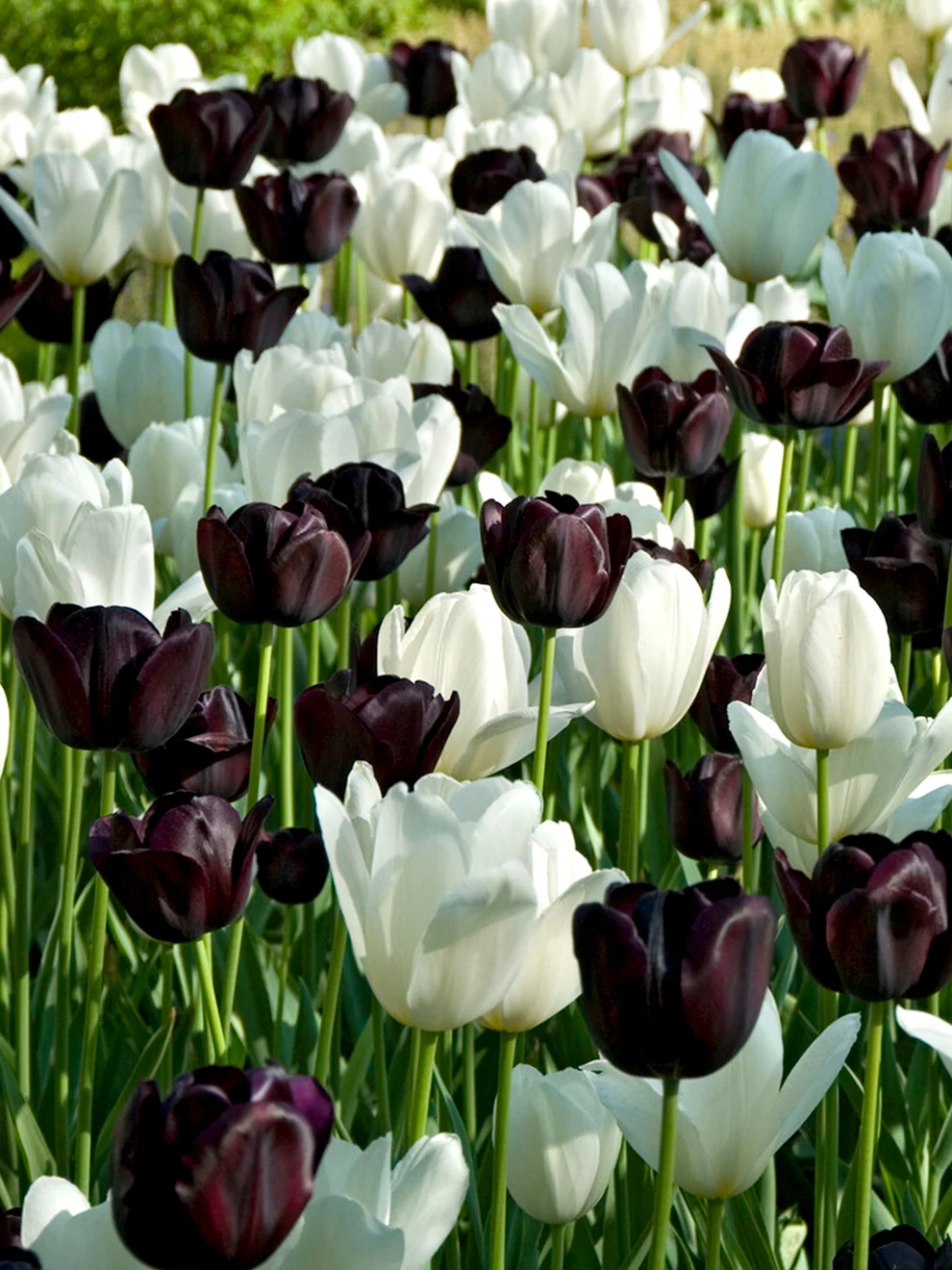
That convenience comes with a different kind of uncertainty. A collection is less precise than a single variety if you need a very specific flower shape, colour balance or height across the whole display. Check the listing for the cultivars included and any quantities or planting notes. If the page does not provide the level of detail you need, choose a named product instead or confirm the mix before committing.
Zebra therefore suits a border or larger container where repeated visual texture matters more than specifying every individual cultivar. It is the coordinated-effect winner among these choices, but not automatically the best value or the most predictable match for a tightly controlled design. As with every seasonal product, the live UK page is the source for current availability and what the collection contains.
Look over the Zebra Collection product page beside Mara if pattern versus one flower is the main choice. For broader colour variety, the Rembrandt Mix listing is a third route. These product pages help define the choices, but the final suitability still depends on your planting space and preferred palette.
Tulip Rembrandt Mix leaves more room for colour variety
Tulip Rembrandt Mix is the mixed option in this comparison. It makes sense when you want a blend of tulip colours and do not need to select one cultivar yourself. Compared with a named bulb, a mix can create a less uniform look; that is an advantage for a relaxed planting and a limitation for a deliberately repeated pattern.
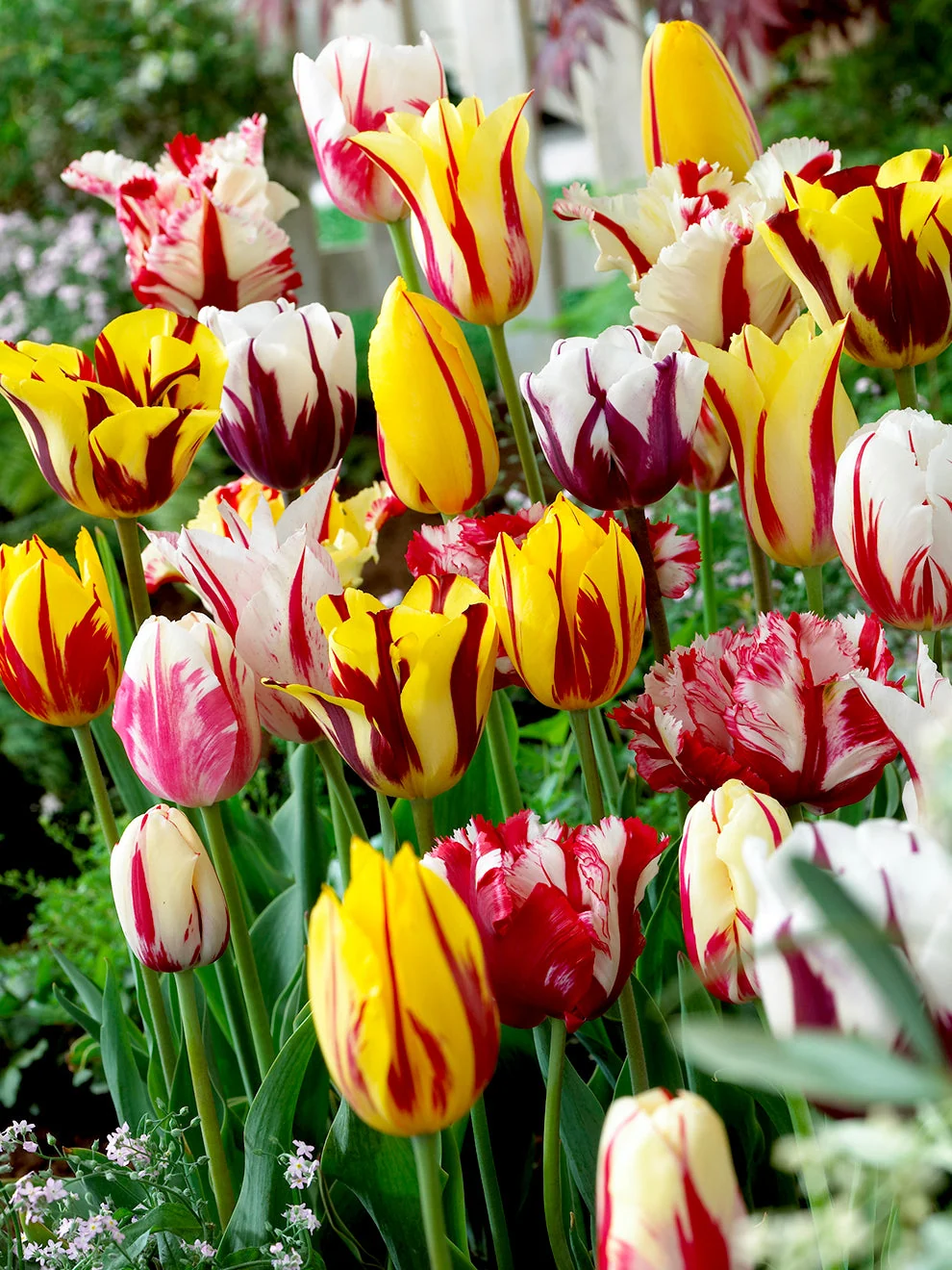
This is the broadest choice for a varied display from one listing, subject to current contents. The title does not replace checking the mix’s composition, pack details and growing information. A named variety or defined collection gives a firmer starting point for a tightly matched colour scheme.
Compared with Mara, Rembrandt makes less sense when a compact species tulip is the point. Compared with Zebra Collection, it is better suited to a broader, mixed look than a specific patterned theme. Treat the mix as a variety-first option, and check its UK listing for the current contents before planning around it. The same check on Zebra clarifies the collection alternative, while Mara shows what a named variety offers.
The product pages make comparison useful, with limits
Product pages that state flower form, colour, season and position help match a bulb to a garden. DutchGrown™ lists both individual cultivars and grouped options, giving buyers a choice between specific plants and broader planting concepts.
A description cannot guarantee the effect in your garden, and collections or mixes need a close look at current contents. Stock and planting advice vary by product. Shortlist first, then confirm included varieties, dispatch timing and instructions on the UK pages.
For a quick decision, use these criteria:
- Start with the space: container, border edge or larger bed.
- Decide whether you prefer one repeated flower or a blend.
- Check flowering timing and planting position against your garden conditions.
- Read the current page for collection contents, pack details and shipping schedule.
- Compare the final shortlist on the UK store rather than assuming every seasonal listing is in stock.
Spring bulbs can also be paired with later perennials to extend interest beyond the tulip season. DutchGrown™ lists products such as Sanguisorba Albiflora, a white-flowered burnet described for summer flowering. It is a different plant and planting season, so it is not a substitute for these tulips; it simply illustrates how a gardener might plan a sequence rather than a single flush.

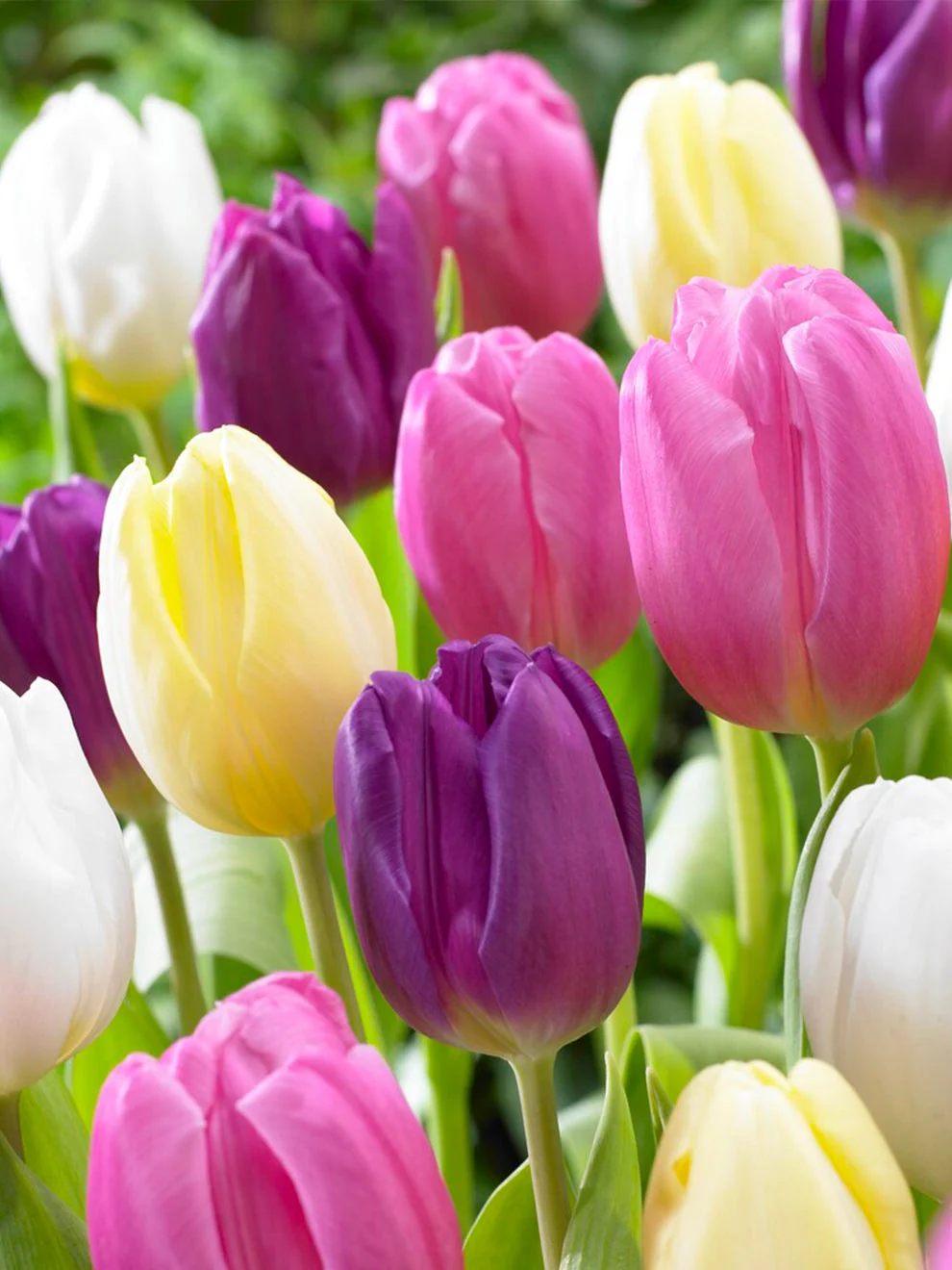
A nearby alternative on the store is the Philly Pastel Mix, which suggests a softer tonal direction than the bolder contrast implied by the Rembrandt name. That example shows why mix titles and page details matter: they can help with palette planning, but current contents should still be confirmed. If your aim is a particular cultivar, the single-product route remains easier to specify.
| Option | Strongest use | Main trade-off | Product page |
|---|---|---|---|
| Tulip Mara | Smaller, close-view spaces | One variety, less colour range | View Mara |
| Tulip Zebra Collection | Coordinated patterned planting | Check exact collection contents | View Zebra |
| Tulip Rembrandt Mix | Broader colour variation | Less control over exact composition | View Rembrandt |
Pick by the spring effect you want
The winner depends on the display you want: Mara for a small area and a specific variety, Zebra Collection for a repeated pattern after checking its contents, and Rembrandt Mix for a less uniform blend.
- Best for a compact planting: Tulip Mara.
- Best for coordinated pattern: Tulip Zebra Collection.
- Best for varied colour: Tulip Rembrandt Mix.
- Best for precise cultivar control: choose a named tulip rather than a mix.
If none is an exact fit, compare the broader UK tulip range and check whether another named bulb offers the colour or scale you need. In the wider DutchGrown™ catalogue, seasonal choices span spring bulbs and bare-root plants; the deciding factor here is whether a tulip listing answers your design question. Each specific page gives you the next details to verify: Mara
For a focused shortlist, return to Tulip Mara, Tulip Zebra Collection and Tulip Rembrandt Mix. You can revisit Mara for its compact character, Zebra for pattern and Rembrandt for colour variation. Use the first for a small, individual flower, the second for a coordinated effect, and the third when a broader blend matters more than naming every cultivar. Check the UK store’s live listing before setting planting dates, since stock and dispatch details can change.
- Check whether a named product or group gives enough detail for your design.
- Confirm season, contents and availability on the current UK page.
Frequently asked questions
Which DutchGrown tulip is best for a small garden?
Tulip Mara is the most obvious candidate in this comparison because the store describes it as a miniature species tulip. Check its current listing for growing height, spacing and position before deciding whether it suits your particular container or border.
Is a tulip collection more predictable than a mix?
Not necessarily. A named collection may be organised around a visual theme, while a mix can emphasise broader variety, but the product page determines exactly what is included. Read the current UK listing before buying if you need particular colours or cultivars.
When should I check availability and planting guidance?
Check the product page before ordering and again when planning seasonal work. Bulb availability and dispatch schedules can vary, and the store’s current instructions should take precedence over general advice.
Wrapping up
For most gardeners choosing among these three, the practical winner is straightforward: choose Mara for a smaller, specific flower, Zebra for a coordinated pattern, and Rembrandt for a more varied blend. We favour Mara when precise identity matters, and the mix when visual variety matters more than control.
The honest limitation is that collections and mixes require buyers to verify their current contents, while even a named variety cannot promise an identical result across different gardens. Compare the live UK listings for stock, composition and planting details before settling on a spring plan.