
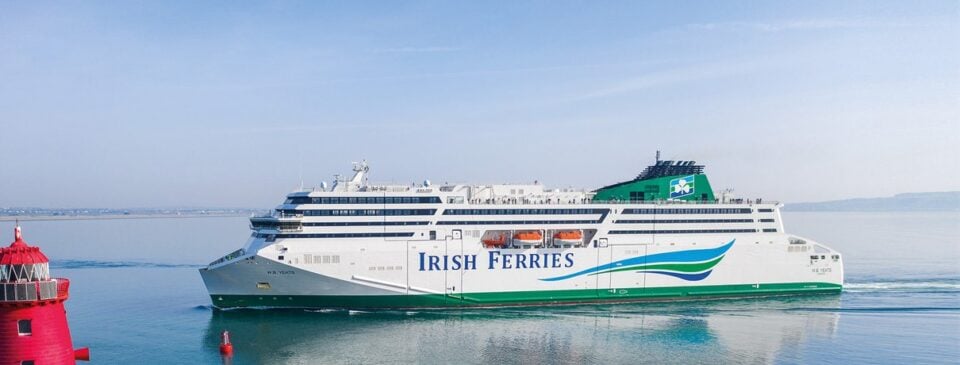
A research-led look at Irish Ferries’ route choices, onboard facilities and the planning trade-offs that matter for a trip from Ireland to France.
Choosing a ferry to France is partly a route decision and partly a question of how you want to spend the crossing. Irish Ferries offers a direct Dublin-Cherbourg service, plus a Sail & Rail option for travellers continuing by train. Its vessel, the W.B. Yeats, adds cabins and shared facilities to what would otherwise be simply a transfer.
We reviewed the Ireland regional store’s route, ship and travel-option pages. The evidence points to a useful range for people who value a direct sea crossing or want to avoid driving all the way, but the right choice depends on schedules, connections and the kind of onboard space you need.
Disclosure: this post includes affiliate links, and we may be paid a commission on purchases made through them.
Highlights
- Dublin-Cherbourg is the direct sea route from Ireland to northern France.
- W.B. Yeats offers cabins, lounges, dining and family spaces for the crossing.
- Sail & Rail to France gives foot passengers an onward-travel option that needs connection planning.
- The best fit depends on whether you value a direct route, onboard rest or avoiding a car.
Dublin-Cherbourg keeps the crossing direct
The clearest strength in the Irish Ferries France offer is its direct connection between Dublin and Cherbourg. The Dublin-Cherbourg route keeps the sea crossing in one leg between Ireland and the French coast, which is appealing for drivers who want to bring their vehicle and continue their itinerary on the other side. The route page sets out ports and sailing information, so travellers can check how departure and arrival fit their plans before booking. Review the route details and check Dublin-Cherbourg.
The Dublin-Cherbourg sailing makes sense when the vehicle is part of the holiday or when avoiding a land connection matters more than minimising time at sea. Cherbourg is a practical arrival point for Normandy and onward journeys through France, although the final drive still needs to be planned around the destination, road time and rest stops. This is not a door-to-door journey; the ferry solves the crossing, not every leg after it. Check the Dublin-Cherbourg route.
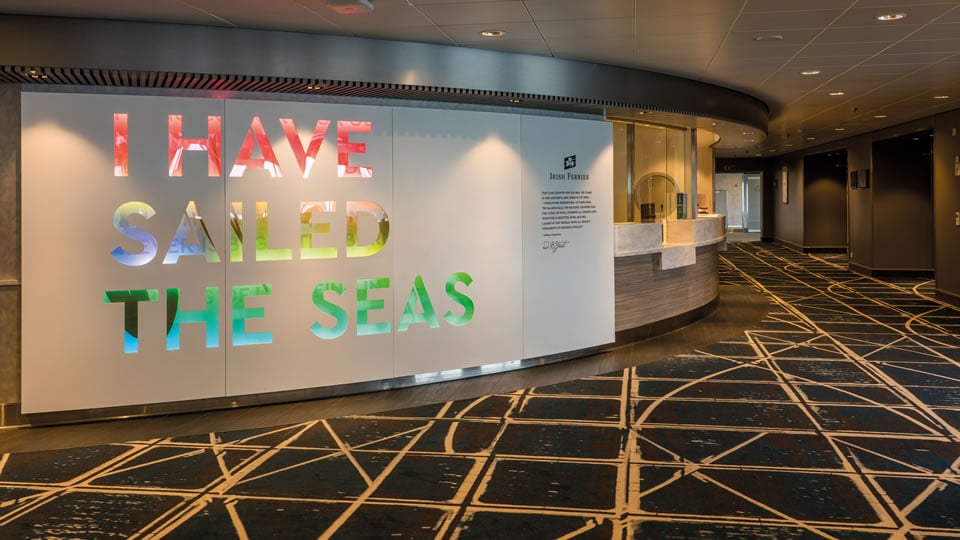
That directness is also the route’s main limitation. A ferry timetable determines when you travel, and a crossing takes a substantial part of the trip compared with flying. For a short break with tight arrival and departure windows, compare the full travel day rather than treating the sailing itself as the whole journey. Checking current sailing availability is essential because schedules can vary by date and season. See route and sailing information.
For car travellers, the choice becomes a balance between carrying the flexibility of their own vehicle and accepting the crossing time. Irish Ferries is more compelling when the car will be useful at the destination or when luggage and family logistics make a vehicle helpful. A traveller staying in one well-connected city may find that driving adds complexity once ashore. Compare the direct sailing.
W.B. Yeats makes onboard comfort part of the choice
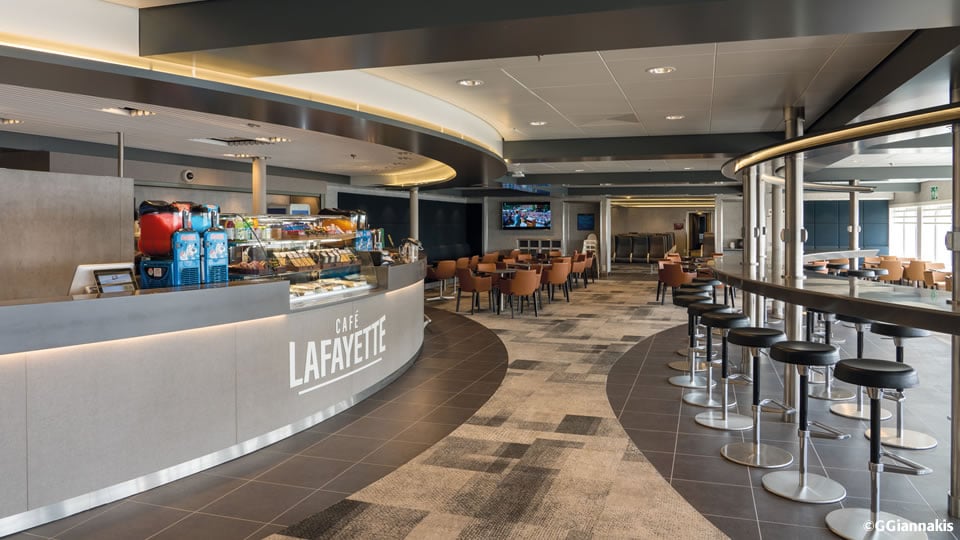
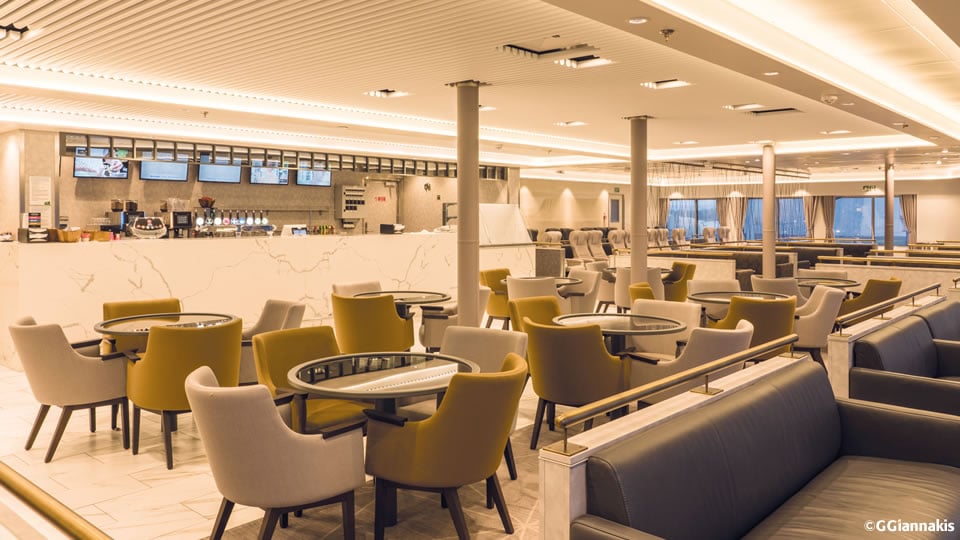
The ship is more than a name on the route. The W.B. Yeats page presents several ways to spend time onboard, including cabins, dining spaces, lounges and facilities for families. That variety matters on a long crossing: a private cabin can provide a place to rest, while shared seating and food options suit travellers who prefer to move around rather than stay in one room.
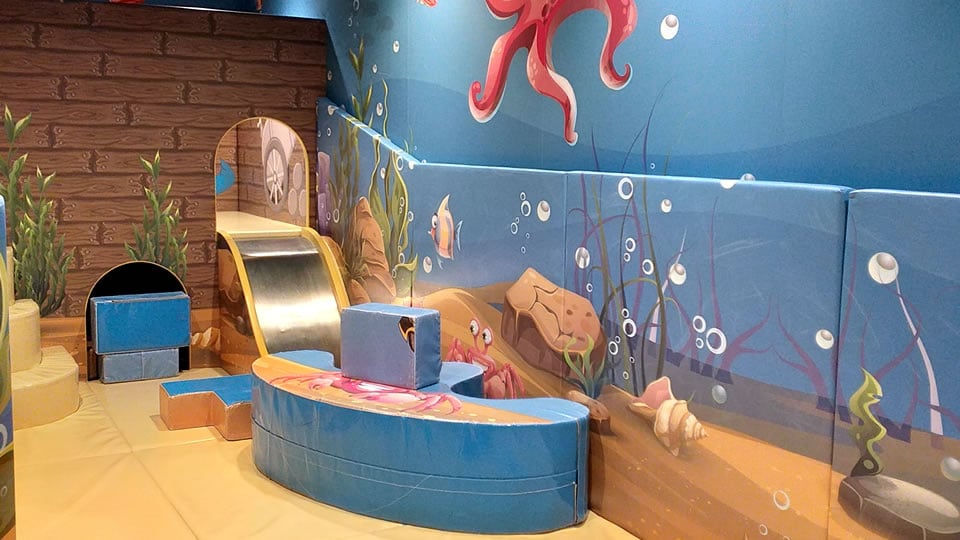
The W.B. Yeats ship information is useful for matching the crossing to the group. Families can look at the ship’s play area and cabin choices; couples may prefer a quieter private space; and passengers who expect to spend more time in common areas can review the lounges and dining options. These are features listed by the brand, not a guarantee that any particular space will be available or feel quiet on a given sailing. View W.B. Yeats facilities.
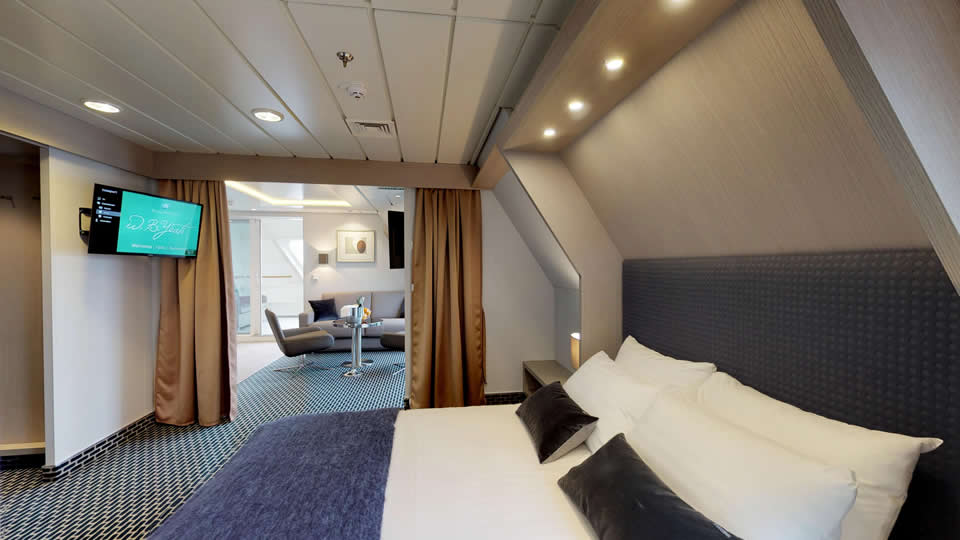
Cabin selection is where the value proposition becomes personal. The ship page includes cabins with different layouts, including family accommodation and premium options. A cabin can make an overnight or lengthy crossing easier to manage, particularly when travellers need privacy or a place for children to rest. It also adds a choice to weigh against the basic fare, so compare cabin inclusions and booking conditions before deciding. Review cabin options and check ship details.
- Cabin: prioritise rest, privacy and a base for a family group.
- Shared lounge: suits travellers comfortable spending the crossing in common areas.
- Dining spaces: add convenience, though food needs and preferences differ.
- Family facilities: useful to check when travelling with children, with age and supervision needs in mind.
- Review cabin type against the crossing length and timing.
- Check which shared facilities suit your group.
- Confirm inclusions and availability for your sailing.
The limitation is that onboard facilities do not remove the constraints of the route. Amenities make the crossing more manageable, but they cannot substitute for checking sailing times, cabin availability, access needs or what is included in the fare. The W.B. Yeats is therefore a stronger fit for people who will use the extra space than for travellers focused only on the lowest-cost crossing. Check ship details.
Sail & Rail removes the need to drive the full route
Sail & Rail to France broadens the offer beyond drivers. Irish Ferries describes an option combining the ferry with onward rail travel, giving foot passengers a route into France without taking a car across. The core appeal is clear: one part of the journey crosses by sea, and rail can take travellers further from the port.
The Sail & Rail option is best considered by people who are comfortable coordinating more than one stage. A ferry arrival and a train departure need to line up, and onward travel may involve a transfer between the port and station. Build slack into the itinerary and review what the booking covers, the connection details and the process if a delay disrupts the plan. Review the Sail & Rail details.
This means Sail & Rail trades driving responsibility for connection management. That can be a good exchange for solo travellers, couples or groups who do not need a car in France. It may be less attractive to anyone carrying bulky equipment, travelling with very young children or planning rural stops that are difficult to reach by public transport. Check the rail option.
Before booking, compare the complete itinerary rather than the headline mode of transport. The practical questions are whether the train serves your destination, how you get from port to station, how much time you have between legs, and whether the included travel dates match your plans. Connection flexibility is the key variable, not simply the existence of a rail option. Review the itinerary information.
- Map the port-to-station transfer before choosing a connection.
- Check luggage rules and access arrangements for every leg.
- Leave a realistic buffer between ferry arrival and train departure.
- Confirm which segments are included in the chosen booking.
The service suits travellers who can plan around the crossing
Across its options, Irish Ferries is strongest when the traveller has a clear reason to choose sea travel: bringing a car, wanting a direct Ireland-to-France crossing, or preferring rail for onward travel instead of driving. The range gives those travellers more than one way to organise the trip, and the W.B. Yeats facilities add practical choices during the sea leg.
It is a less obvious fit if the itinerary is very short, if a fixed arrival time leaves little room for disruption, or if the destination is hard to reach from Cherbourg without a car. Those are not flaws unique to Irish Ferries, but they are meaningful constraints of ferry-led travel. Check the exact sailing, fare conditions, vehicle requirements and onward transport before committing. Check the sailing page.
Cost should be assessed through the whole plan rather than a headline fare. Vehicle type, passenger count, cabin choice, travel dates and extras can shape the total. For Sail & Rail, onward connections also affect the overall budget and convenience. Because fares and availability change, review the current booking details for your dates rather than relying on a general estimate. Review the route options and view rail information.
For readers comparing the two broad approaches, the simple decision is this: choose the direct sailing if having a car or a straightforward sea route is central; consider Sail & Rail if you can work with transfers and your French destination is rail-friendly. The best option follows the itinerary, not the most impressive-sounding onboard feature. Check the direct route and compare Sail & Rail.
- Confirm the sailing dates and arrival time.
- Choose whether a car, cabin or rail connection is needed.
- Check the full trip cost and booking conditions.
Questions travellers ask about Irish Ferries
Can I travel to France without a car?
Yes. Irish Ferries lists Sail & Rail to France for foot passengers. Check the specific ferry and rail segments, transfers and connection timing before choosing it. See Sail & Rail details and check onward options.
What is included on the W.B. Yeats?
The ship information lists cabins, lounges, dining and family spaces. Availability and inclusions depend on the sailing and booking, so confirm those details for your travel date. See W.B. Yeats information.
Is Dublin-Cherbourg right for a short France trip?
It can suit a short trip if the sailing schedule and port location match your plans, but account for the crossing and onward travel in both directions. A compact itinerary leaves less room for schedule changes. Check route availability.
Wrapping up
Our review finds Irish Ferries a credible option for a planned Ireland-France journey, especially for travellers who want to bring a car or who prefer a direct sea route. The W.B. Yeats adds useful onboard choices, while Sail & Rail creates an alternative for passengers who can manage connections.
The honest limitation is the amount of time and coordination ferry travel can require. We recommend comparing the full door-to-door itinerary, connection details and current booking terms before choosing. If the route fits your dates, check the available Irish Ferries sailings and options for your trip. View Dublin-Cherbourg or review Sail & Rail.