
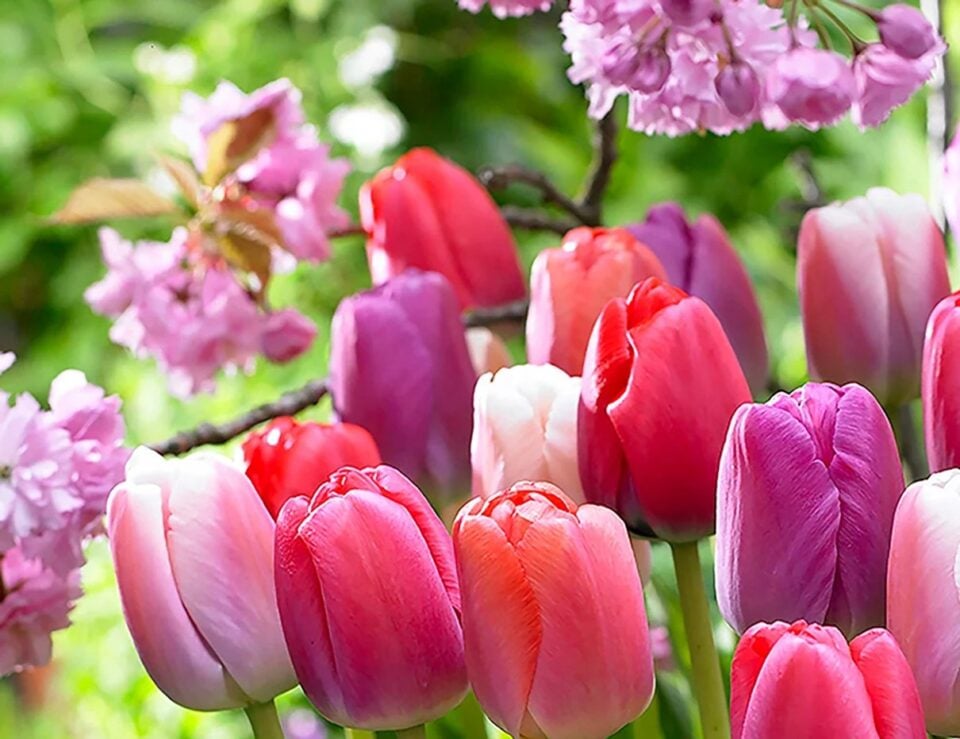
We examine the Pride and Joy Collection’s stated colour mix, flowering role and ordering details to help you decide whether it fits a planned spring display.
A mixed tulip collection simplifies colour planning, but leaves some control over the final balance to the grower. The question for DutchGrown™‘s Tulip Pride and Joy Collection is whether its combination of colours and growth traits adds enough value for a coordinated border, bed or cut-flower plan.
This review is based on the United Kingdom product listing and the details the brand provides there. We look at the named collection closely, then use a few individual tulips as context for what a mixed selection can and cannot decide for you. See the current listing for the source information.
Disclosure: this post includes affiliate links, and we may be paid a commission on purchases made through them.
Highlights
- Tulip Pride and Joy Collection is described as Darwin Hybrid tulips in pink, red, apricot and blush tones.
- The listing points to strong stems and large blooms for early to mid spring colour.
- Its mix suits a planned group display better than a gardener seeking one exact flower colour throughout.
- Tulip Pink Impression offers a useful single-colour comparison, while Cabanna Parrot and Daytona illustrate more individual flower characters.
- Before ordering, check the current collection page for its pack options, seasonal availability and delivery details.
Pride and Joy is built around a coordinated spring display
The strongest case for Tulip Pride and Joy Collection is that it groups several related spring colours around a shared planting purpose. DutchGrown describes the mix as Darwin Hybrid tulips in pink, red, apricot and blush tones. For gardeners seeking a warm palette without selecting varieties one by one, that is a practical starting point. The listing identifies strong stems and large blooms for early to mid spring colour.
Pride and Joy centres the choice on that kind of display. Repeat planting can create a more coherent sweep than a handful of unrelated bulbs, while the variation within the palette keeps the display from looking like a single block of one hue. For containers, check the chosen pack size against available space and the planting notes.

Collection buying offers a planned palette but less control over the exact distribution of colours. The page names the tones without giving a guaranteed count of each shade, so treat the blend as a colour direction rather than a fixed planting diagram. Read the current Pride and Joy listing for the pack format and any mix details before deciding how many spaces it will fill. Check the collection listing for the current growing information as well.
Darwin Hybrid traits support beds and borders
The cultivar group matters: this is not presented as a random assortment. DutchGrown frames the collection as Darwin Hybrids, with large flowers and sturdy stems. That profile suits visible spring planting, where blooms need to carry colour through a border. The seller’s stated window, early to mid spring, gives a planning cue, though local conditions and the planting site affect actual flowering. See the Pride and Joy product details when comparing the collection with your planting calendar.
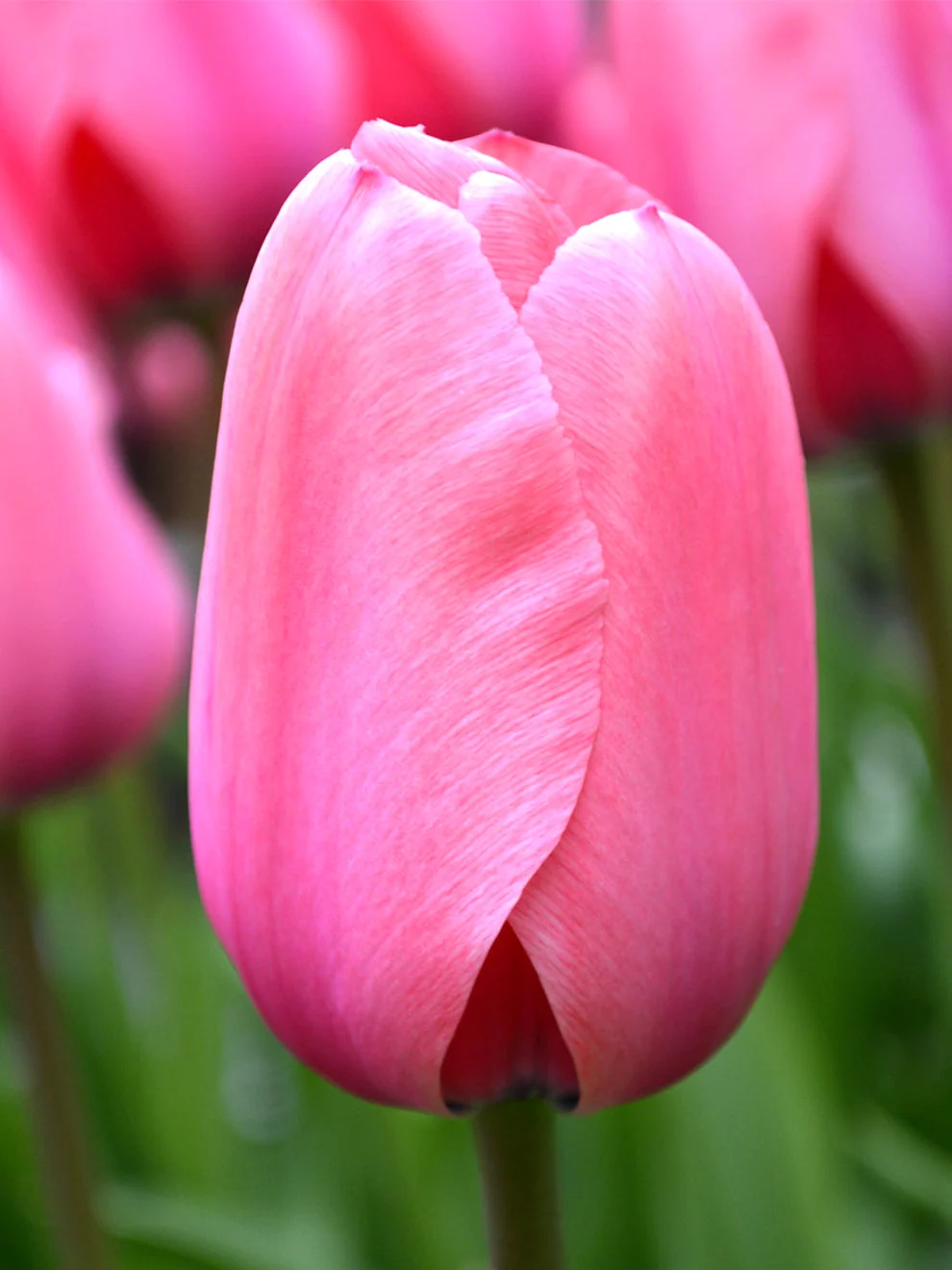
For a contrasting single-colour reference, Tulip Pink Impression is described as an award-winning Darwin Hybrid with deep rose petals that soften toward the edges. DutchGrown lists it for beds, borders and cutting, and says it can naturalise and bloom again in later years. That makes it a more controlled pick for someone who wants pink to lead. Pride and Joy offers broader colour movement, while Pink Impression keeps the visual decision narrower. Compare Pink Impression details with Pride and Joy details before settling on the palette.
- Choose a collection when you want a connected palette and welcome some natural variation.
- Choose a single variety when matching a precise colour scheme matters more than variety.
- Use the stated flowering window to plan companions, while leaving room for local timing differences.
- Check the planting depth, spacing and site requirements on the live listing before setting out the bed.
This is where Pride and Joy makes its clearest argument. It can reduce the time spent assembling a coordinated group from separate listings, and its colours offer more range than a single-colour planting. It does not remove the need to think about spacing, soil, light, drainage or how the shades will sit beside existing plants. Gardeners who want exact control may prefer to choose individual varieties such as Pink Impression instead. The collection page helps show the alternative trade-off.
Individual tulips show the collection trade-off
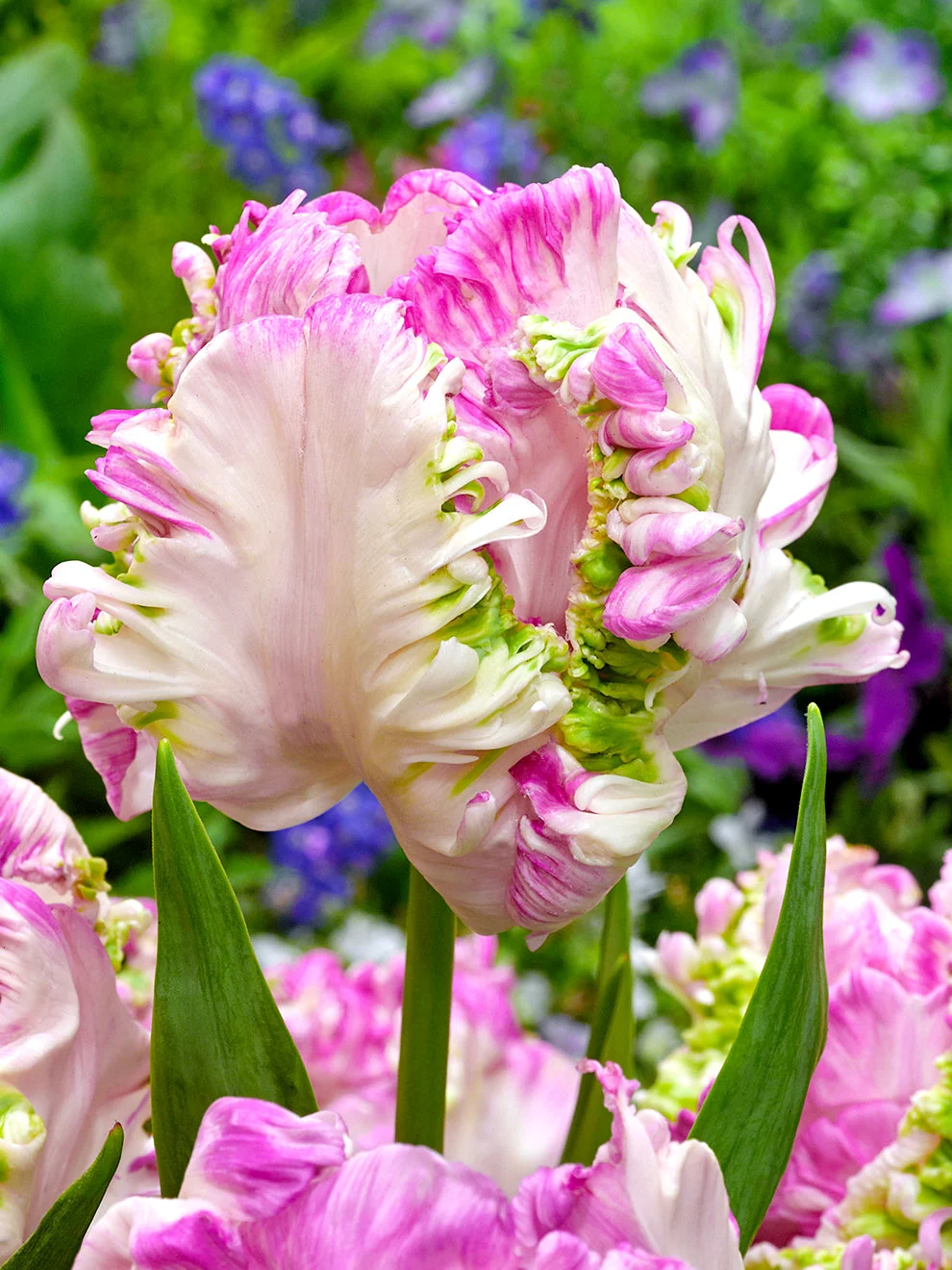
Two other DutchGrown listings help explain the boundary between a mixed collection and a character-led choice. Tulip Cabanna Parrot has cream-white blooms with ruffled edges edged in pink and soft green, according to its product description. The colour is said to develop as the flower matures, and the page identifies it as a cut flower. It is a stronger fit for someone who wants one unusual focal variety than a coordinated multi-colour scheme. The product page is available as Tulip Cabanna Parrot. Check its listing details if flower form is a priority.
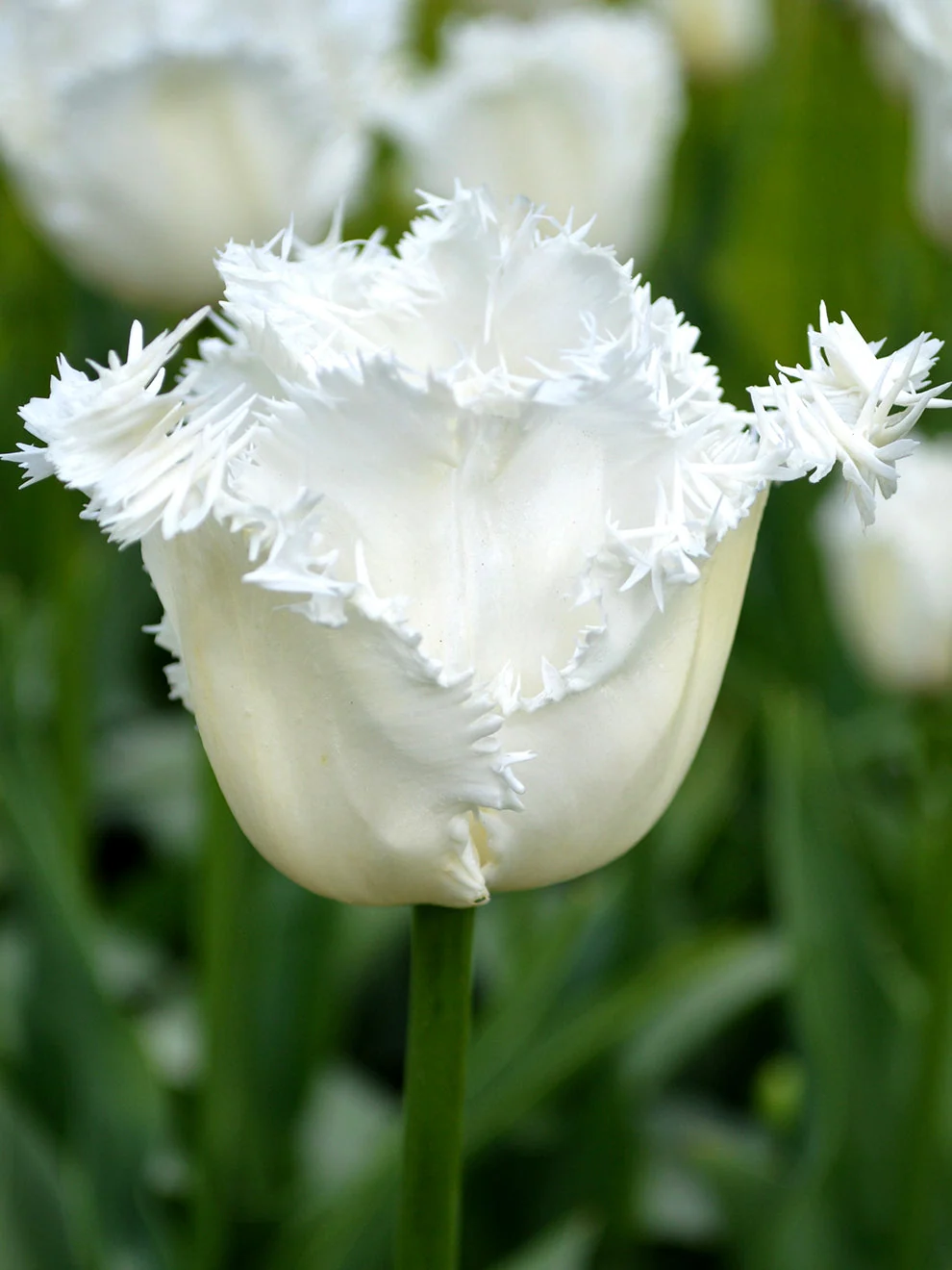
Tulip Daytona takes a different route: DutchGrown describes a white fringed tulip with feathered edges, suitable for mass planting or use as a cut flower. Its restrained colour and textured petal edge appeal to a different design goal from the warm range in Pride and Joy. See Tulip Daytona if a pale, repeated planting is closer to your plan. Its current product page is the source for growing and ordering notes.
The product mix is a strength when the goal is a flexible spring display, but a limitation when a planting scheme depends on precise cultivar selection. Compare it with Pink Impression if exact shade matters. Anyone coordinating with existing bulbs, a strict colour plan or a cut-flower schedule may want to check what varieties are included, if the listing states them, and compare that with individual pages. We would not assume every bloom will appear in equal quantities unless the current product information says so. Revisit the live collection listing for any updated mix explanation.
The product page makes selection straightforward, with checks left to the buyer
DutchGrown’s store is oriented around bulbs, plants and named varieties, so the journey from an idea to a product page is direct. On the Pride and Joy listing, the key decision is the collection itself and the available pack format. The page carries the seasonal product information; it is the sensible place to check current availability, dispatch timing, and any shipping or returns terms before placing an order. Review the current listing before choosing a pack. Those details can change, especially with seasonally sold bulbs. For the latest terms, return to DutchGrown’s Pride and Joy page.
A reasonable buying sequence is short, but it avoids common surprises. Confirm these details on the live page:
- Measure the planting area and decide whether you want a bed, border or container display.
- Compare the current pack choices with the number of planting positions you have.
- Read the listing’s colour, flowering-window and growing notes, then check planting depth and spacing.
- Confirm availability, dispatch timing, delivery terms and the applicable returns information on the UK store.
The broad colour group and spring period help with planning, but do not guarantee the garden’s exact look. The source is DutchGrown’s listing. Weather, planting depth, soil and exposure affect results. Leave flexibility for variation in the finished display.

This buying experience suits people comfortable planning ahead from a seasonal listing. UK product pages keep ordering details with named varieties. First-time bulb buyers may also want planting guidance for their soil and site. The listing remains the reference for current pack and fulfilment information. Open the current product details to confirm them.
The collection suits palette-led gardeners
We would shortlist Tulip Pride and Joy Collection for gardeners designing a spring bed who want several related warm tones with less individual selection work. Its stated Darwin Hybrid type, strong stems and large flowers give it a clearly described role, and the pink-to-apricot palette has room to sit alongside early spring perennials or other bulbs. It is also relevant to anyone who prefers a linked colour scheme but does not need exact control of each variety.
It is less suited to a gardener who needs a specific named cultivar, a single exact shade or a verified count of each colour. A single variety such as Pink Impression provides more palette control; Cabanna Parrot or Daytona may be more compelling if the flower form itself is the main reason to plant. The current Pride and Joy page should answer whether its pack size and season fit the space you have. Check the current product page before making the final choice.
- Good fit: a planned bed or border where a related mix of spring colours is welcome.
- Also worth considering: gardeners who want large blooms and sturdy stems as stated by the seller.
- Look elsewhere: exact colour matching, one named variety or a guaranteed mix breakdown is essential.
Frequently asked questions
What colours are included in the Pride and Joy Collection?
DutchGrown describes it as a Darwin Hybrid tulip mix in pink, red, apricot and blush tones. The live product page is the place to check any current details about the varieties or proportions in the mix: view the listing.
When does the collection flower?
The listing states early to mid spring colour. Conditions and location affect dates, so use this as a planning window. Check its page for current guidance.
Can the tulips be used for cutting?
The collection description foregrounds a garden display and does not provide the same explicit cutting note as some individual variety pages. For cutting, confirm the listing supports that use or choose a named tulip whose page says so. Review the current listing.
Wrapping up
DutchGrown’s Pride and Joy Collection is a considered choice for a gardener who wants a coordinated, warm-toned spring display without assembling every bulb variety separately. The seller’s stated Darwin Hybrid type, strong stems, large blooms and early to mid spring window give it a useful outline. We recommend it when palette and convenience matter more than control over each cultivar. See the current product page.
The honest limitation is the unknown exact colour balance, plus site performance and current pack details. Check these on the live listing. If that trade-off suits your plan, review the UK product page before committing.