

A research-led look at Irish Ferries’ pet rules, W. B. Yeats kennel facilities and the preparation that makes this crossing a better fit for some travellers than others.
Taking a pet across the sea changes the booking question. The sailing itself is only part of the plan: animal entry documents, check-in timing and where your pet stays onboard all matter. We reviewed the published Ireland-France information from Irish Ferries to see what the service appears to offer and where travellers need to do their own checks.
The clearest option is the Dublin-Cherbourg route, but the pet arrangements differ by ship. W. B. Yeats uses pre-booked kennels, while the Isle of Inisheer offers designated pet cabins when available. Those are meaningful choices, with limits that should shape the decision before a sailing is selected.
Disclosure: this post includes affiliate links, and we may be paid a commission on purchases made through them.
Highlights
- Pets must be declared when booking, and the published Ireland-France rules set a maximum of five pets per booking.
- On W. B. Yeats, pets stay in a pre-booked kennel, with visits at allocated times and a short walk permitted.
- The Isle of Inisheer offers designated pet cabins with outside-deck access, subject to availability.
- Pet check-in is two hours before departure, and animal-entry documents need advance attention.
Irish Ferries makes pet arrangements part of the booking
The policy is refreshingly direct about the first requirement: tell Irish Ferries about the animal when making the reservation. The company’s guidance says a booking can include up to five pets, and every pet must meet the entry rules for the trip. That makes this service relevant to households travelling together, while leaving less room for last-minute changes than a pet-friendly label alone might suggest.
There is a useful operational detail too. The published guidance asks pet travellers to check in two hours before departure to allow time for pet passport processing. That is a real planning cost in time, especially if the port is already a long drive away. Review the Dublin-Cherbourg route information with the pet timing in mind, then build in the port journey and document checks rather than treating the sailing time as the whole schedule. Start with the Dublin-Cherbourg sailing details and verify the departure you want.
For a trip with an animal, the Dublin-Cherbourg crossing is the relevant Ireland-France connection discussed here. This direct sea leg can make sense for travellers setting off from Ireland with a vehicle and a France itinerary beyond the port. But a direct route does not remove the need to plan the arrival drive, rest stops or entry paperwork. Check the route page for Dublin and Cherbourg as part of that assessment.
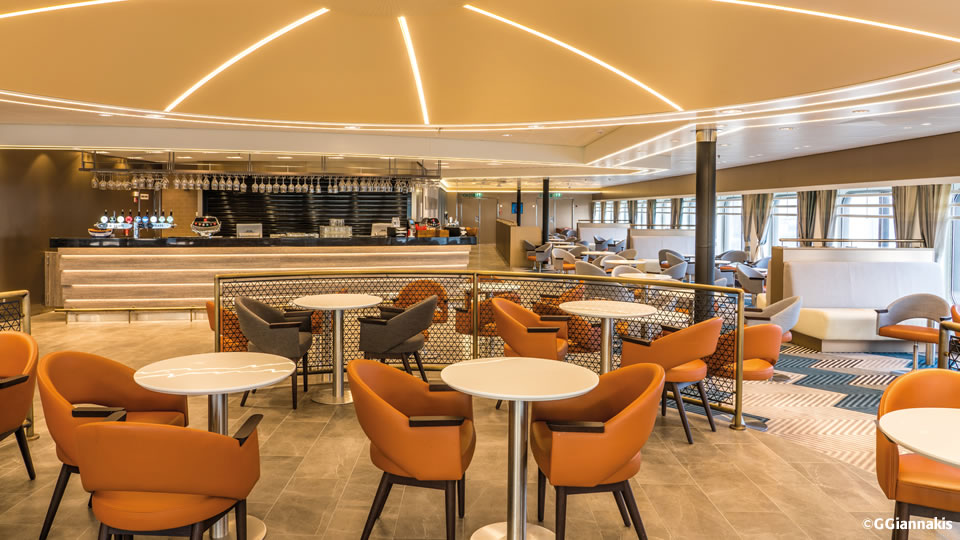
As a review of the offer, the strength is clear rules before booking: the maximum pet count, early check-in and ship-specific facilities are stated in the guidance. The weakness is that a traveller still has to confirm the exact arrangement attached to a selected sailing. Availability and ship allocation are practical variables, not details to infer from a general route page.
W. B. Yeats keeps pets in pre-booked kennels
On W. B. Yeats, pets must remain in a kennel reserved in advance for the crossing, with one pet per kennel. The guidance says owners can visit at allocated times and take the animal for a short walk. This is a structured option rather than an open-access arrangement: it gives the operator a defined way to accommodate pets, but it will not suit every animal or owner equally well.
The ship’s page and W. B. Yeats ship information help travellers understand the vessel they may be assigned to. The published pet guidance lists small, medium and large kennels, plus a cat box, with dimensions for each. Owners should compare those dimensions with their animal’s needs and confirm the kennel assigned to their booking. The facility exists, but the pet does not stay alongside its owner throughout the crossing.
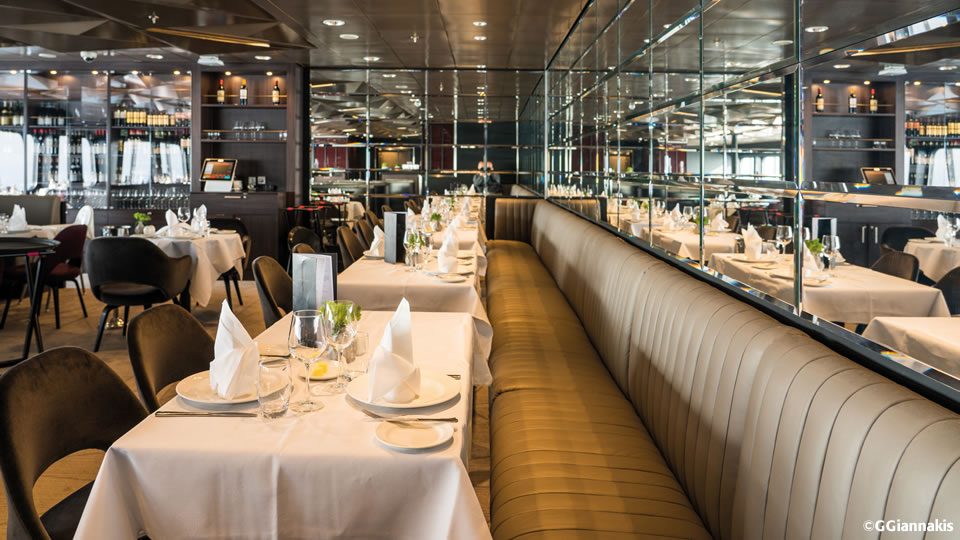
For a pet comfortable spending time in a kennel, W. B. Yeats may be workable. For an animal that becomes distressed when separated, the limited visiting windows are a substantial drawback. The company suggests bringing familiar bedding and a water bowl; pack those items so the kennel stay feels as settled as possible, and ask the operator about the current visit procedure before travelling. Review the W. B. Yeats facilities against the needs of your animal, too.
There is more to the ship than the kennel area. Its passenger facilities include dining and lounge spaces, as shown in the official W. B. Yeats overview. These may make a long crossing more manageable for people, but they should not be mistaken for pet-accessible spaces. The pet rules determine where an animal can be during the voyage. The ship details for W. B. Yeats are useful for the people travelling, while pet access still needs separate confirmation.
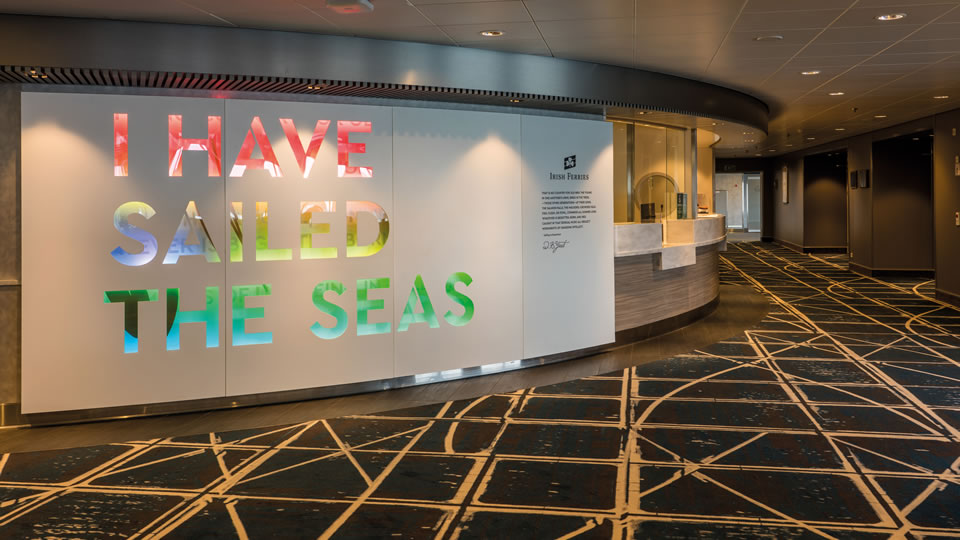
Isle of Inisheer offers a different onboard setup
The other published Dublin-Cherbourg arrangement is on the Isle of Inisheer. Pets can stay in a pre-booked designated pet cabin, subject to availability, and the cabin arrangement includes access to an outside deck area. For travellers who want their pet accommodated in a cabin rather than a kennel, this is a notable alternative.
That flexibility is conditional. The phrase subject to availability matters: do not assume that a pet cabin is available just because the sailing appears bookable. Confirm the ship, cabin arrangement and pet allocation with Isle of Inisheer ship information and the booking flow before making plans around it. A traveller who needs the pet to stay nearby should treat confirmation as a prerequisite. Check the Isle of Inisheer details before choosing dates.
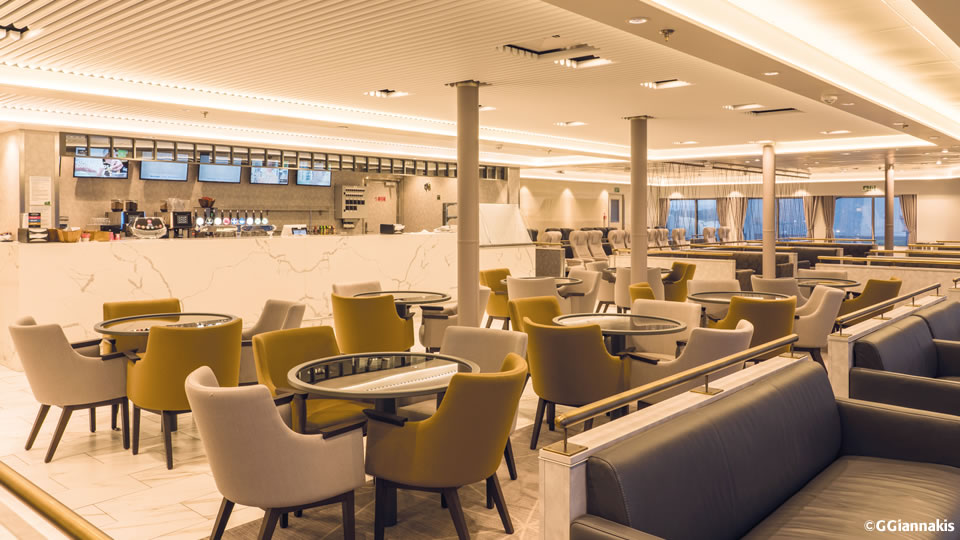
The contrast between W. B. Yeats and the Isle of Inisheer is useful when deciding what to ask. One published arrangement relies on kennels and timed visits; the other describes a pet cabin and outside-deck access. Neither description guarantees a preferred ship or space on a particular departure. If the pet setup is central to your decision, confirm the details first and be prepared to compare other dates.
The document and timing rules add real preparation
The biggest limitation is that a ferry reservation does not settle animal entry requirements. Irish Ferries’ guidance refers to microchipping, documentation and rabies vaccination, and specifies tapeworm treatment for dogs travelling from France to Ireland. It also distinguishes between an EU Pet Passport and a GB Animal Health Certificate for certain travellers. Rules depend on the journey direction and the animal’s documents, so check official government guidance for the full requirements before travel.
Our reading of the policy points to a preparation list that should be completed before selecting a departure:
- Confirm the animal’s microchip details match the travel document.
- Check which document applies to the traveller’s departure point and destination.
- Verify vaccination timing and any treatment requirements for the direction of travel.
- Declare the pet during booking and confirm its kennel or cabin arrangement.
- Plan to arrive at the port for the earlier pet check-in window.
That checklist is the difference between a potentially convenient ferry choice and an avoidable travel-day problem. Read the route and vessel details together: the Dublin-Cherbourg route page establishes the crossing, while W. B. Yeats information describes the ship. If the booking offers the Isle of Inisheer, ask specifically about pet-cabin availability. Compare it with W. B. Yeats kennel information if both ships are options. The operator’s pages and the relevant government rules should be checked again close to booking because entry requirements can change.
On the day before departure, a short final check can prevent avoidable surprises:
- Keep the animal’s documents together and easy to reach.
- Pack the familiar bedding and water bowl recommended by the operator.
- Reconfirm the pet check-in time and the assigned onboard facility.
- Check lead and muzzle rules for the animal and route.
One other practical point: the company advises a comfort blanket or familiar bedding and a water bowl. These are small things, but they help make the kennel or cabin arrangement more familiar. Follow the crew’s instructions about leads, carriers and muzzle requirements, and keep the pet’s paperwork accessible rather than packed away in luggage.
This service suits prepared travellers more than flexible planners
We would shortlist Irish Ferries for a pet trip when the Dublin-Cherbourg route fits the wider itinerary and the owner is comfortable with the vessel’s confirmed pet arrangement. The published service has identifiable strengths: pets are accepted, the check-in rule is explicit, and the two ships described offer different accommodation formats. That gives readers concrete questions to resolve before committing.
It is a weaker fit for anyone who needs to keep a pet beside them continuously, has an animal unable to tolerate separation, or is booking before confirming a pet space. In particular, the W. B. Yeats kennel arrangement includes only allocated visits, while the Isle of Inisheer pet cabin is subject to availability. The distinction deserves more weight than general claims of being pet-friendly.
For households with multiple animals, the stated maximum of five pets per booking is helpful context, but each animal still needs its own permitted arrangement and compliant documents. Confirm capacity and space for the full group with Irish Ferries’ route booking information before coordinating accommodation or onward travel in France. The current route booking page is the starting point for that check.
- Best fit: owners whose pet can manage the confirmed kennel or cabin setup.
- Plan carefully: travellers with tight port transfers or paperwork still to arrange.
- Look elsewhere or ask first: owners who need uninterrupted access to their pet onboard.
Questions about taking pets to France
Can a pet stay with its owner on W. B. Yeats?
The published Ireland-France guidance says pets on W. B. Yeats must stay in a pre-booked kennel, one pet per kennel. Owners can visit at allocated times and take the pet for a short walk. Confirm the current process and kennel allocation with the ship information before booking.
Does Isle of Inisheer have pet cabins?
Irish Ferries says the Isle of Inisheer has pre-booked designated pet cabins with access to an outside deck area, subject to availability. Ask whether the cabin is available on the chosen sailing before relying on it; the Isle of Inisheer page provides vessel context.
How early should pet travellers arrive?
The published guidance says pet check-in is two hours before departure to allow for passport processing. Allow for the port journey as well, and confirm the current arrival instruction when booking the Dublin-Cherbourg crossing.
Wrapping up
Irish Ferries is a reasonable option for prepared pet owners whose route and animal suit the confirmed onboard arrangement. Review Dublin-Cherbourg availability alongside the vessel pages. Its published guidance gives useful specifics, particularly the distinction between kennels on W. B. Yeats and designated pet cabins on the Isle of Inisheer. The main limitation is that ship and pet-space availability need confirmation, and the owner must handle entry paperwork and an earlier port arrival.
We recommend checking the relevant government rules, then confirming the pet space and vessel for the chosen departure before building the rest of the trip around it. That sequence makes the service easier to assess on its actual terms.