

A closer look at Avanti’s origins, travel reassurance approach and the cover options that help readers decide whether to explore a quote.
Travel insurance is easiest to understand when it is connected to the people and situations it is meant to serve. Avanti Travel Insurance presents itself as a specialist provider for travellers who want time to talk through their plans, especially when health history or a particular trip type makes a standard policy feel less straightforward.
We reviewed Avanti’s UK site and product information to explain the brand’s background, how its range is organised and where readers should look closely before requesting a quote. The useful question is not whether one insurer suits everyone, but whether Avanti’s approach fits the way you travel and the details you need covered.
Disclosure: this post includes affiliate links, and we may be paid a commission on purchases made through them.
Highlights
- Avanti Travel Insurance says it was founded in Braintree and built around explaining policy details at a pace that suits customers.
- The range includes Single Trip, Annual Multi-Trip, medical-condition and Cruise cover.
- Its site describes three policy levels: Essentials, Classic and Deluxe; the benefits and exclusions depend on the schedule.
- Medical cover is subject to screening, and accurate health information is central to the quote process.
- Online account tools sit alongside phone and chat support, giving customers more than one route to policy help.
Avanti began with a service-led view of travel cover
Avanti Travel Insurance says it was founded in 2009 in Braintree, Essex, before moving to new ownership in Northamptonshire. It is now administered by the Howserv group. That background matters because the brand makes its service model part of its identity: its About page says customers should have time to understand the details, ask questions and shape cover around their plans.

That emphasis is relevant in insurance, where a short product label cannot tell you whether a policy matches your itinerary, health circumstances or planned activities. Avanti says it is not available through price comparison sites and directs customers to its own quote journey and support team. For a first-time reader, that means comparing policy wording and service options directly, rather than expecting a marketplace summary to show the whole offer.
The company describes its role as “travel reassurance,” but the useful test for readers is practical: can you find a clear explanation of what is covered, what needs to be declared and how to get help? Avanti has online policy information, a policy management account and contact routes by phone and chat. Those channels may suit someone who wants a conversation; customers who prefer a quick side-by-side market scan may find the direct-sales approach takes more effort.
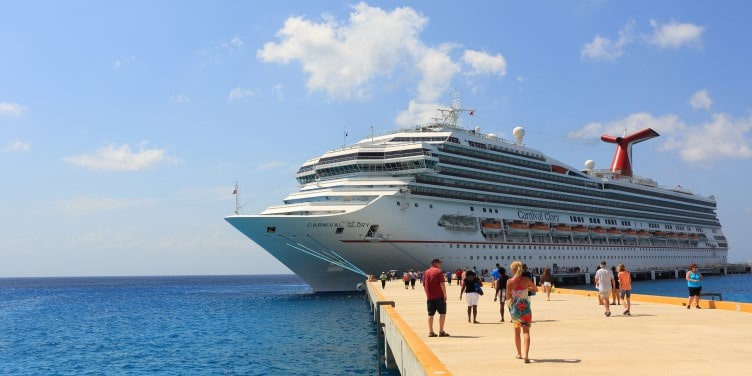
Different travel scenes call for different questions about destinations, activities and assistance.
The range follows different trip patterns
Avanti organises its products around the shape of a trip and the traveller’s needs. Single Trip is presented for one holiday, while Annual Multi-Trip is aimed at people taking multiple trips during the year. Choosing between them starts with your likely travel calendar, but the policy wording still determines trip limits, destinations and other conditions.
Readers with a pre-existing medical condition can explore Avanti’s dedicated Medical travel insurance for pre-existing conditions. The brand says it can consider a broad range of conditions, subject to medical screening. This is a useful point of difference in the range, but it is not a promise that every condition or circumstance will be accepted on identical terms. The quote process asks for health information so the insurer can assess the risk and set out the applicable cover.

For a more specific example, Heart conditions travel insurance has a dedicated page that explains this pathway. A named condition page can help readers find relevant guidance, yet it does not replace a full medical declaration or the policy schedule. We recommend using it as orientation, then checking how the quote records your own history and any treatment or medication.
The Cruise travel insurance option addresses trips with needs that can differ from a land-based holiday. Avanti’s site highlights cruise-related provisions such as missed port or itinerary changes, subject to the selected policy and terms. Its guidance also says travellers should include all countries where the ship will call in the quote details, even when they do not plan to go ashore. River cruises are included in the stated cruise cover pathway, with the same need to declare the cruise and itinerary accurately.
These pages are useful starting points: read about medical cover for pre-existing conditions, cover for heart conditions, the cruise policy and annual multi-trip option on Avanti’s UK site. We link to these specific destinations so readers can inspect the relevant product information without losing the thread of the brand overview.
Three policy levels make the schedule essential
Across its cover, Avanti describes Essentials, Classic and Deluxe as policy levels. The names signal a tiered range, but they are not enough to decide which one is right. The difference lives in the benefit limits, included sections, optional extensions and exclusions set out in the policy documents. A higher tier may offer broader limits in some areas, but readers should verify the precise schedule for the trip they are quoting.
A sensible review starts with the risks that would create the largest disruption for you. Check emergency medical expenses and repatriation, cancellation and cutting a trip short, baggage, travel delay and any activity or cruise-specific sections. Avanti’s homepage describes emergency medical support at all hours and significant medical benefits, but the wording, eligibility and limits still govern any claim.
- Confirm the destination region and each country on your itinerary.
- Compare the policy level against the benefit sections you actually need.
- Read exclusions and conditions alongside headline cover statements.
- Check that health details, medication and planned activities are declared accurately.
Avanti’s site also describes MyAvanti as an online policy management route. It says customers can make changes through the account without an additional phone change fee, while telephone changes may carry a fee. The distinction is a practical service detail worth checking against the current customer information if you expect your plans to change.
Medical screening shapes the quote and the cover
Medical screening is central to Avanti’s offer for travellers with pre-existing conditions. The company says its policies can consider more than a thousand conditions, subject to screening. The phrase “subject to screening” is important: it signals an assessment rather than automatic acceptance, and the final result depends on the information supplied and the insurer’s terms.
Readers should have relevant medical details to hand before starting a quote. Answer each question as asked, including information about diagnoses, medication and treatment. If something is unclear, pause to ask Avanti for clarification rather than guessing. Inaccurate or incomplete answers can affect whether cover applies, so this is a part of the buying decision that rewards care.

There is a trade-off to understand. Specialist screening can make an insurer’s offer more relevant to people who have found generic forms difficult, but it also asks for time and personal information. A quote is not a substitute for reading the policy documents, and the policy’s terms remain the guide to what happens if plans change or a claim arises.
Readers can also check Avanti’s cancer cover information, breathing conditions guidance, autoimmune disorders page and information for older travellers. These pages are entry points for research, not a guarantee of eligibility.

Support is part of the brand’s proposition
Avanti’s About page describes a deliberate, explanatory approach: staff ask about travel plans and health so they can help customers consider cover, and the brand offers online and phone routes. The company also promotes round-the-clock emergency medical support. These are meaningful parts of the proposition because travel insurance is a service people may need to navigate under pressure, not simply a document bought before departure.
The brand’s site shares an account of arranging hospital care and a safe return home for a customer after a serious illness abroad. That story illustrates the kind of assistance the insurer wants readers to associate with the service, but a single example cannot predict the handling of every claim. Policy terms govern the outcome. The wording, evidence requirements and circumstances of a claim determine the result.
- Keep emergency contact details accessible during a trip.
- Know which policy schedule applies to the insured travellers.
- Check which documents may be needed if making a claim.
Avanti also points to external recognition in its company history. Awards and customer-service claims can add context, yet they are only one input. For a decision, compare the policy wording, your personal requirements and the support options you value. Readers who want an explanation before committing may appreciate the direct conversation model; readers who already know their requirements can use the online quote route.
For service details, see how to manage a policy, the contact options, the help pages and terms and conditions. Looking at these alongside the cover summary gives a fuller sense of what support and administration involve.
A few checks make the brand easier to assess
We would approach Avanti Travel Insurance as a specialist range worth considering when medical screening, cruise provisions or access to human support matter to your trip. Its strength is the visible structure: distinct trip types, medical-condition information and named cover levels give readers places to begin. Its limitation is equally clear: no brand overview can tell you whether an individual quote provides the right terms for your circumstances.
Before moving from research to a quote, bring the practical details together. This keeps the comparison grounded in what you will actually do, instead of the reassurance language used by any insurer.
- Write down travel dates, destinations and any stopovers before starting the quote.
- Gather accurate health and medication details for everyone included in the policy.
- Note activities, cruise ports and any transport arrangements that may affect cover.
- Keep the policy schedule and emergency contact details accessible during travel.
Avanti’s pages on European travel, worldwide cover, single-trip insurance and annual multi-trip insurance can help frame those details. Check the quote journey for the exact region and itinerary that applies.
Readers can then review the dedicated pages for medical-condition cover, heart-condition guidance, cruise insurance and annual multi-trip cover. The product pages explain how Avanti frames each option; the final quote and documents are where the reader can check the detail that applies personally. This difference between general product information and an individual policy is worth keeping in view.
Frequently asked questions
Where did Avanti Travel Insurance begin?
Avanti says it was founded in 2009 in Braintree, Essex, and later moved to new ownership in Northamptonshire. It is now administered by the Howserv group, according to its company information.
Does Avanti offer cover for pre-existing medical conditions?
Avanti says it can consider cover for pre-existing conditions, subject to medical screening. Acceptance and terms depend on the answers provided and the quote outcome, so check the policy documents for your specific cover.
What is the difference between Single Trip and Annual Multi-Trip?
Avanti presents Single Trip for one holiday and Annual Multi-Trip for multiple trips during the year. Check destination regions, trip length conditions and the other terms before deciding which structure suits your plans.
The brand’s medical cover page, cruise cover page, annual option and single-trip option set out those product pathways.
- Match the trip type to your travel calendar.
- Confirm destinations and activities in the quote.
- Read the schedule before completing the purchase.
Wrapping up
Avanti Travel Insurance is most compelling for readers who value a direct explanation of cover and want to explore options for medical conditions, cruises or recurring trips. Its range gives those travellers a clear starting point, and phone, chat and online routes offer different ways to get help. We would recommend shortlisting it when those features matter and reading the schedule closely before choosing a policy level.
The limitation is that a strong brand story cannot settle the individual question of eligibility or suitability: screening, exclusions and benefit terms determine that. Use the UK product pages to understand the options, then check the current quote and policy documents against your itinerary and circumstances.
For the original product detail, consult Avanti’s pages on pre-existing medical conditions, heart conditions, cruise cover and annual multi-trip cover. Readers comparing a one-off holiday can also see Single Trip cover, while the brand’s main cover overview, company background, policy documents and claims guidance provide useful context. Each page adds a different part of the picture; the specific terms on a quote remain decisive.