

A closer look at the landmark setting, the SkyPod-led arrival and the official visit formats helps first-time visitors decide what deserves a place in their New York plans.
A visit to One World Observatory – New York is often described through its skyline, but the experience begins before the windows come into view. The observatory sits high in One World Trade Center, and the official visitor sequence uses a lift, an introductory film and guided points of orientation to give that view a setting.
For a first-time reader, the useful question is not simply whether the city looks impressive from above. It is how the observatory frames the visit, what the ticket formats add, and whether a high-rise viewpoint fits the pace of a day in Lower Manhattan. The details below draw on the official ticket information, where visitors can also check current availability and inclusions.
Disclosure: this post includes affiliate links, and we may be paid a commission on purchases made through them.
Highlights
- The SkyPod elevator, See Forever Theater and City Pulse shape the arrival before the observation floors.
- The 360-degree skyline view is the shared centre of the visit, with ONE Dine adding a dining option.
- Family Pack, Late Night Package and VIP Tour & Dine Experience are distinct official formats; check their current inclusions on the ticket page.
- The experience suits visitors who want a high-level orientation to Lower Manhattan, while weather and visibility affect the view.
One World Trade Center gives the visit its setting
The observatory’s location is part of its meaning. One World Trade Center stands in Lower Manhattan, so the visit connects a broad city panorama with a neighborhood that carries a particular place in New York’s civic and architectural story. That context is more grounded than treating the attraction as a generic high-floor lookout. Check the official visit information.
The official experience is organized as a sequence rather than a single viewing deck. The brand describes a SkyPod elevator ride with a time-lapse of New York’s development, followed by the See Forever Theater and City Pulse. Those elements offer orientation and interpretation before visitors spend time with the view itself. Check the official visit information for the current entry details before setting your itinerary.
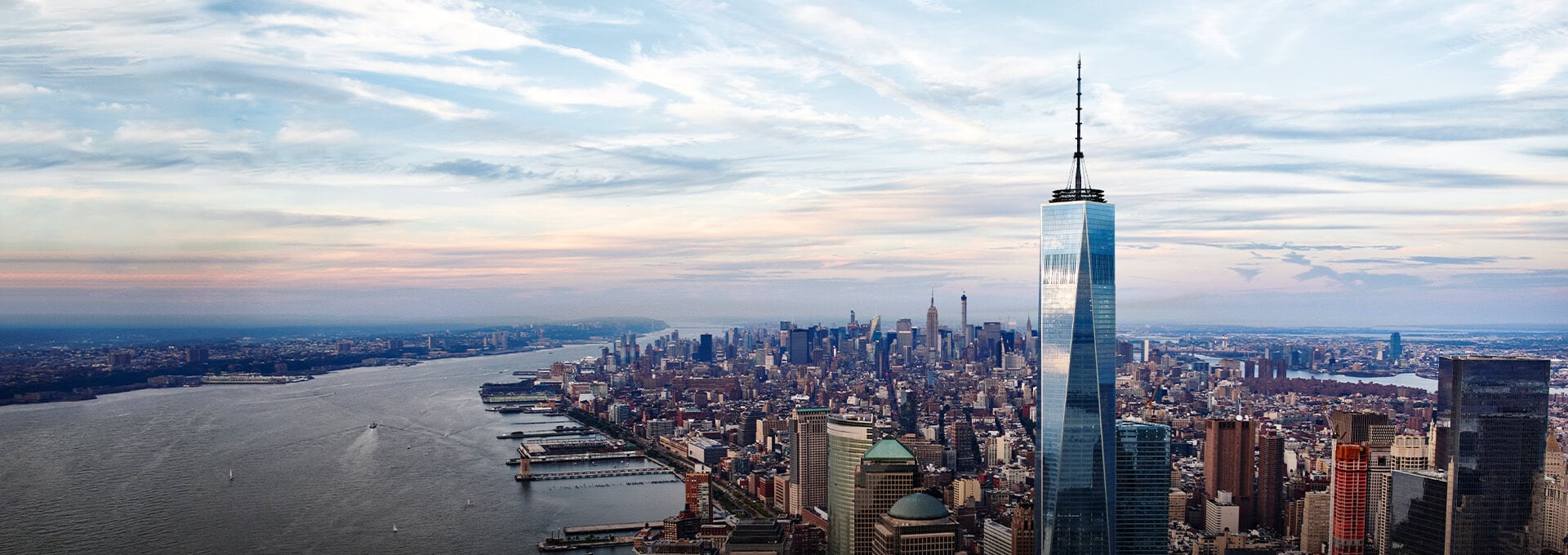
The sequence helps first-time visitors get context before taking in the city view. It can also give mixed-age groups a shared starting point. The attraction’s strength is its combination of height and framing: the lift and introductory spaces establish what visitors are looking at.
The SkyPod makes the ascent part of the story
The SkyPod is more than a way to reach an upper floor in the brand’s account of the visit. Its time-lapse presentation turns the journey upward into a compressed view of New York’s growth. That gives the arrival its own narrative beat and helps explain why the observatory presents itself as an experience, not just a platform with windows. The official overview gives current visitor details.
After the lift, the See Forever Theater provides another short introduction and City Pulse brings local stories into the route. These are useful details for visitors deciding whether they want a structured attraction or would rather move directly to an open viewpoint. The official overview is the right place to confirm what is included in the currently offered admission.
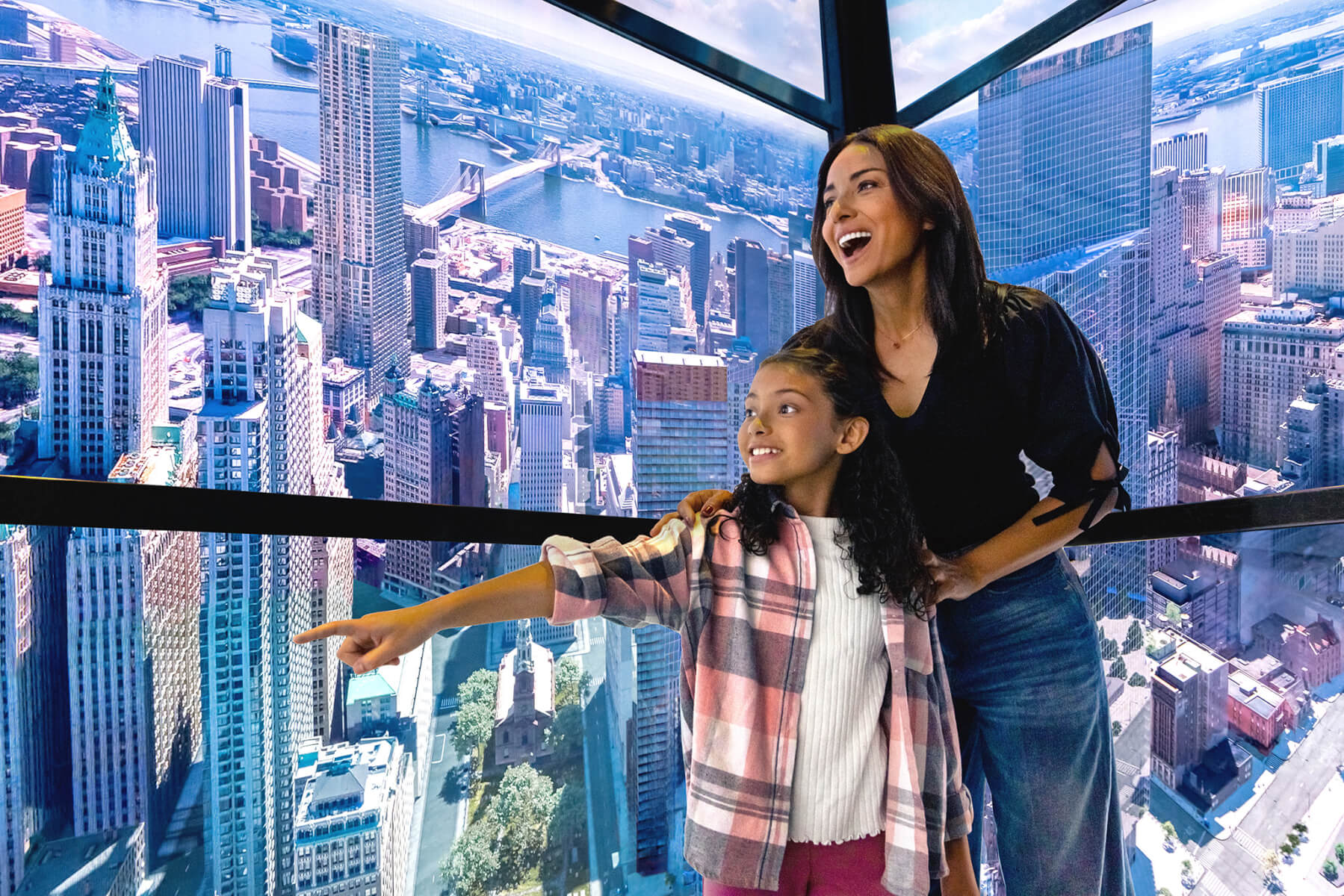
A staged arrival gives a group a shared reference point before people explore different views. It also sets expectations: this is a curated attraction with interpretation built into the route. Visitors seeking an unstructured viewpoint may care more about time at the windows than the presentation on the way up.
- Arrival: the SkyPod frames the ride upward as a short city-history sequence.
- Orientation: See Forever Theater introduces the view before visitors reach the observation level.
- Local context: City Pulse uses ambassadors and stories to point out New York landmarks.
- Open viewing: the panoramic floors remain the main reason to plan the visit.
The observation floors reward a clear-weather window
The observatory promotes 360-degree views across New York. Visibility is the variable visitors cannot control: haze, rain or low cloud can soften distant landmarks, so the panorama is weather-dependent and will not look identical in every season or hour.
The family photograph supplied by the brand shows the viewing experience as a shared activity, which is a useful reminder that a skyline attraction works differently from a quick photo stop. Visitors may want time to orient themselves, pick out familiar sites and let everyone in the group take a turn at the windows. Family Pack is one official format to review for a group visit, although the booking page should be treated as the authority on eligibility and current terms. Check its current conditions before comparing it with general admission.
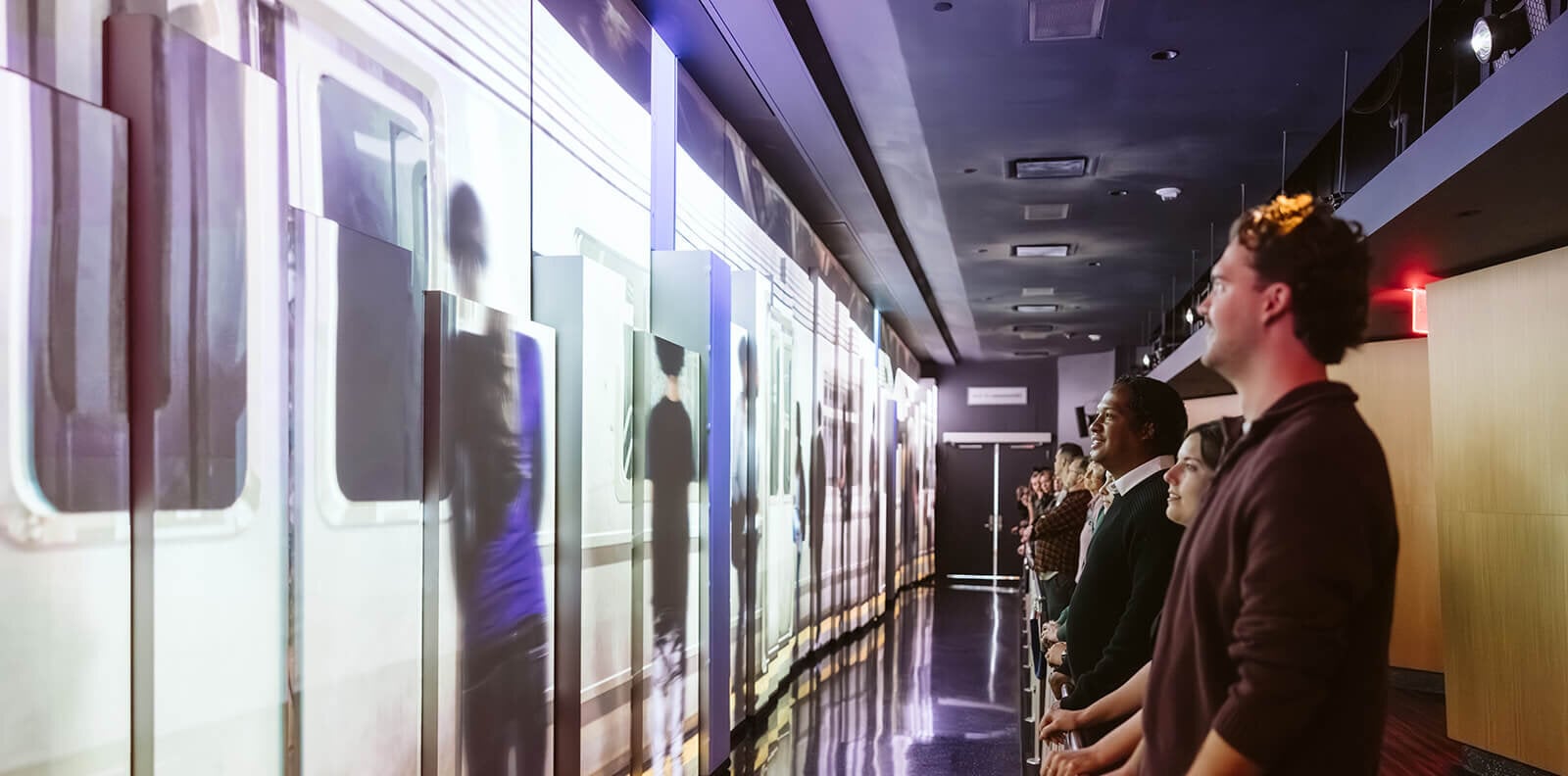
The observatory fits naturally alongside other Lower Manhattan plans. Build in travel time and avoid making another timed activity depend on the visibility you find at the top.
Readers comparing admission formats should focus on what changes for their party: timing, group arrangements, or whether they value a hosted experience. The ticket page lists the official choices and their current conditions. Do not assume a package name alone explains its inclusions; confirm the details for the date and party before booking.
Official ticket formats shape the kind of outing
The range includes general entry and named packages. Match the format to your day: a family option addresses group planning, a late-night option makes timing central, and a VIP tour with dining offers a more hosted visit. Names are signposts; confirm current inclusions and restrictions on the booking page.
Family Pack is the most direct starting point for visitors planning as a family. Its value depends on whether the current package rules suit the size and composition of the group. Check age definitions, entry arrangements and what is bundled, then compare against individual admission if your party does not fit the package terms.
Late Night Package puts the clock in the foreground. It may be relevant when a later observatory visit fits around dinner or an evening in the city, but the listing should confirm the permitted entry window and what else the package includes. That makes it a planning choice rather than a universal recommendation.
VIP Tour & Dine Experience is aimed at visitors interested in a guided element together with dining. The appeal is the combination of hosted context and a meal, especially when a group wants the observatory to function as a larger occasion. Review meal details, tour format, scheduling and any access conditions before choosing it.
- Family Pack: investigate when keeping a family booking together is the priority.
- Late Night Package: compare when a later visit fits your New York evening.
- VIP Tour & Dine Experience: consider when hosted context and dining both matter.
- General admission: compare when the view is the main goal and package extras add little for your plans.
Compare the options by date, party and inclusions, not only by title. Review the family format and check the late-entry details against your itinerary; both lead to the relevant sections of the official ticket page.
ONE Dine can extend the visit beyond the view
Dining adds another dimension to the range. ONE Dine places a meal within the observatory setting, while the VIP Tour & Dine package connects dining with a guided format. Check restaurant availability and package details separately from general admission.
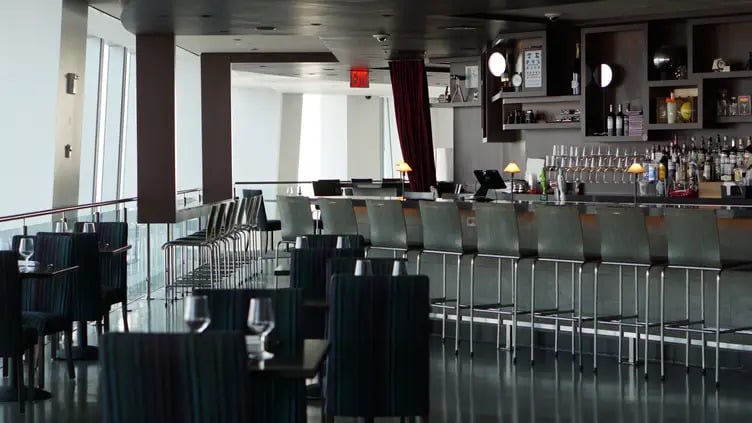
A photograph cannot answer questions about menu, dietary accommodation, seating times or reservations. Check those points before building a dinner plan around the visit. The official VIP Tour & Dine section is a useful starting point.
For some itineraries, keeping food separate from the ticket is the more flexible decision. It can leave more room to respond to weather, energy levels or a change in plans after the observation floors. That is especially relevant when the observatory is one stop among several in Lower Manhattan rather than the sole event of the day.

A few practical checks make the visit easier to plan
The official ticket page is the source to consult for current admission terms. Before choosing a format, compare your intended date and entry timing with the practical needs of your group. Review the current admission listing; the following checks keep the decision grounded in what the booking actually offers:
- Confirm the entry time and date, including any late-entry window tied to a package.
- Read the package inclusions and age or group conditions rather than relying on its name.
- Allow for weather and visibility to affect the skyline, especially if the view is the day’s main event.
- Plan the route to and from Lower Manhattan, with enough room for security and the attraction’s sequence.
- Check dining arrangements separately if ONE Dine or a hosted meal is important to your plan.
Choose the format whose timing or inclusions solve a real need. Compare the official ticket options and confirm availability before fixing the observatory into a tightly scheduled day.
Questions visitors ask about One World Observatory
What is included in the observatory experience?
The official description highlights the SkyPod elevator, See Forever Theater, City Pulse and observation areas with panoramic views. Ticket-specific inclusions can differ, so check the official listing for the admission format and date you are considering.
Which ticket format suits a family visit?
The Family Pack is the named family option in the official range. Whether it suits your group depends on its current terms, eligibility and inclusions, so compare those with general admission before deciding. Read the package conditions on the ticket page.
Does the Late Night Package include dining?
The name indicates a later visit format, but visitors should not infer meal inclusions from the title. Check the Late Night Package details on the official page for the current entry window and included elements. The VIP Tour & Dine option is a separate format with dining in its name.
Wrapping up
One World Observatory – New York is strongest as a layered skyline visit: the SkyPod gives the ascent a story, the introductory spaces add context, and the observation floors supply the central panorama. The ticket range gives visitors several ways to shape that outing, with family, late-night and hosted dining options for different plans.
Our recommendation is to consider it when you want a structured, elevated view of New York and can give the visit room in a Lower Manhattan day. The honest limitation is visibility: clouds and haze can change how much of the panorama comes through. Review the hosted tour and dining format and check the current ticket details before choosing what suits your party.