

Compare Avanti’s trip, annual, medical-condition and cruise cover, then check the policy details that shape a suitable quote.
Travel insurance is easier to assess when the trip type is clear. A single holiday, several journeys in a year and a cruise can call for different policy features, while declared health conditions affect the quote and the cover offered.
Avanti Travel Insurance lists cover for these situations, with policy levels and eligibility terms to check before choosing. This comparison explains the cover range; the campaign information supplied does not identify a discount or a time-limited promotion.
Disclosure: this post includes affiliate links, and we may be paid a commission on purchases made through them.
Highlights
- Single Trip Travel Insurance is designed around one planned journey, while Annual Multi-Trip Travel Insurance covers multiple trips during a policy year, subject to policy limits.
- Cruise Travel Insurance addresses cruise-specific situations such as cabin confinement and missed departure; check definitions and limits in the policy wording.
- Medical travel insurance for pre-existing conditions requires health screening, accurate disclosure and acceptance of the terms offered.
- Traveller details, destination, trip dates, cover level and optional needs affect the quote; review the schedule and exclusions before purchase.
Avanti matches cover to the shape of the trip
The practical starting point is how often you travel and what kind of trip you are insuring. The Single Trip Travel Insurance page describes cover for one trip, including travel in the UK or abroad. It is the straightforward route for a traveller with one defined itinerary, provided the dates, destination and traveller information fit the insurer’s eligibility rules. One journey, clearly defined. Read the policy wording before assuming a trip is covered: its terms set the final boundaries.
Single Trip Travel Insurance is listed for one journey, so it can suit a one-off holiday or visit. The premium is calculated from the details supplied rather than a fixed public package price. Trip length and destination matter. Review cancellation, medical expenses, baggage and excess terms in the documents, and check which activities or circumstances are excluded.

Four cover options fit different travel patterns
This compact comparison can narrow the first page to read. It is a starting point, not a substitute for checking the quote and policy wording; the insurer’s limits and exclusions apply to every option.
| Cover option | Best suited to | Key check |
|---|---|---|
| Single Trip Travel Insurance | One planned journey | Dates, destination and cover limits |
| Annual Multi-Trip Travel Insurance | Several journeys in a policy year | Maximum duration per trip and area |
| Medical-condition cover | Travellers declaring existing conditions | Screening result, exclusions and accepted terms |
| Cruise Travel Insurance | A trip centred on a cruise | Definitions for missed departure and confinement |
For travellers planning several separate holidays, Annual Multi-Trip Travel Insurance is the alternative to comparing a new single-trip policy for every departure. The annual format does not mean every journey or length of stay is automatically covered: check the maximum trip duration, destination area, age and any other eligibility limits in the policy documents. The annual cover page is the right place to start that check. Compare its per-trip rules with the single-trip cover terms if your calendar includes a longer stay.
- Choose single-trip cover when you have one defined journey to insure.
- Compare annual cover when you expect several trips, then check the permitted duration for each.
- Confirm whether every destination belongs to the selected area of cover.
- Read the policy schedule for excesses, exclusions and claim conditions.
The trade-off is simple: annual cover may be convenient for repeat travel, but it still has journey and eligibility rules. A traveller with one longer holiday may find a single-trip quote easier to evaluate. Convenience depends on frequency. Match the policy term to the itinerary. Both options should be compared on the protection that matters to the trip rather than on the label alone.
Medical screening shapes the cover offered
Avanti Travel Insurance says its medical-condition cover page can consider more than 1,300 medical conditions, subject to screening. That statement is not a guarantee that every condition or applicant will be accepted on the same terms. The screening answers, traveller’s health history and insurer’s assessment determine what cover can be offered. Be accurate and complete, and contact the insurer if a question is unclear.
The medical-condition cover page explains the route for people with pre-existing conditions. Review its screening information before opening the medical cover quote path. A positive result may affect eligibility, exclusions or the quote. Disclosure is essential. If health changes after buying, consult the policy instructions and tell the insurer when required. Do not rely on a broad marketing statement as a substitute for the personal quote and policy schedule.

Before continuing, gather condition and medication details and check any guidance supplied during screening. If the quote includes terms or exclusions you do not understand, ask Avanti to explain them before paying. Avanti lists 24/7 emergency medical support with its medical travel cover information, but emergency assistance does not remove the need to understand what the policy covers. Read the support contact instructions and keep them accessible while travelling.
- Declare medical history as requested, including relevant conditions and treatment.
- Check the result of screening and any condition-specific exclusions.
- Keep the policy schedule and emergency contact information available.
- Ask how a later change in health should be reported. Keep answers current.
Cruise cover includes details worth checking
A cruise adds situations that may not be central to an ordinary land holiday. Avanti’s Cruise Travel Insurance page references cover for cabin confinement and missed departure. Those terms have specific conditions, so check what counts as confinement, which events qualify as a missed departure and what evidence a claim requires. The cruise policy details set out the insurer’s definitions. Definitions matter at claim time. You can also revisit the cruise cover overview while comparing trip-wide benefits.
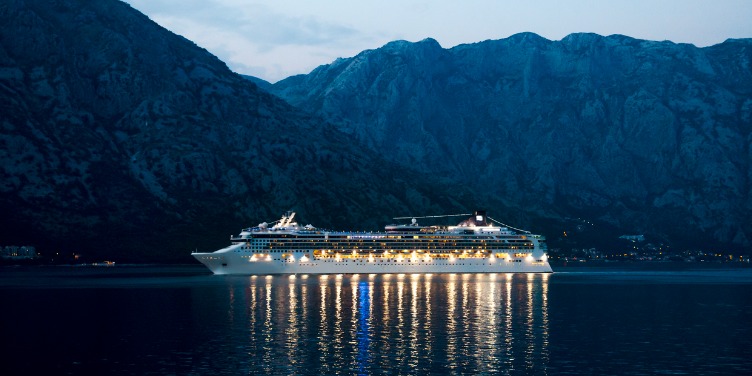
Consider the full itinerary, including ports, excursions and any pre- or post-cruise stay. Verify that the selected area of cover includes every destination and that planned activities are covered. Cruise-specific benefits do not replace medical screening or standard exclusions. Check the whole journey. If your cruise includes independent travel before boarding, make sure the cover dates start when you need them to.
The cruise option is most relevant to travellers whose trip centres on a sailing and who want to assess the additional terms directly. It is not a reason to skip comparisons of excesses, cancellation conditions, baggage limits or medical definitions. Use the Cruise Travel Insurance page alongside the policy documents and match every benefit to a real part of your itinerary.
Restrictions and quote steps deserve equal attention
No travel policy covers every disruption. Exclusions are part of the offer. Conditions, exclusions, limits and claim procedures determine how useful a benefit is in practice. The Essentials, Classic and Deluxe levels listed by Avanti differ in their benefit schedules; compare the relevant limits rather than assuming a higher tier is necessary. The policy documents and personal quote are the authoritative sources for current terms. Compare the single-trip schedule, annual schedule, cruise wording or medical screening information that applies to your needs.

To get a quote, provide accurate traveller, destination and trip information, then complete any medical screening requested. Review the options returned and compare cover levels, excesses and exclusions side by side. Use the single-trip page, annual multi-trip page, medical-condition information or cruise cover details to understand the relevant cover before starting. Keep the itinerary handy. The quote flow will show whether the insurer can offer cover for the details entered. Review before confirming.
- Enter each traveller’s details consistently with their documents.
- Describe the destination and dates for the complete insured journey.
- Answer screening questions carefully and disclose relevant information.
- Compare the returned policy levels against the risks you need covered.
- Save the schedule and read claim instructions before departure.
Cost depends on the information used for the quote, including trip details, traveller circumstances, cover level and selected extras. There is no single figure that applies to every traveller, so check the insurer’s current quote rather than relying on a past amount or a third-party summary. The final quote depends on trip details, traveller circumstances, cover level and selected extras, so check the current terms and quote directly before deciding.

Questions travellers ask before choosing
Does annual cover include unlimited trips?
The annual format is intended for multiple trips during the policy year, but limits and conditions apply. Check the maximum duration for each trip, destinations and eligibility in the schedule before relying on it.
Can Avanti cover a pre-existing condition?
Avanti says it considers a wide range of conditions subject to screening. The outcome depends on the applicant’s answers and insurer assessment, so only the quote and policy terms confirm what is offered.
What cruise situations should I check?
Read the cruise wording for definitions and limits related to cabin confinement and missed departure, and confirm that the policy covers the whole itinerary, including time on land.
Wrapping up
Avanti Travel Insurance offers a useful starting shortlist: single-trip cover for one journey, annual multi-trip for repeat travel, medical-condition cover after screening and a cruise option with relevant ship-specific terms. We recommend comparing the schedule against your itinerary and health details before choosing a policy level.
The limitation is that marketing summaries cannot confirm an individual traveller’s eligibility or claims outcome. If one policy type seems close, revisit the single-trip details, annual cover details, cruise cover terms or medical-condition page before moving to the quote. The quote, schedule and policy wording do that work. For a suitable next step, review the relevant cover page and request a quote using accurate information.