

Compare standard performance tickets, group booking and the lottery route so you can match the booking method to your party, schedule and seat priorities.
Choosing tickets for Stranger Things: The First Shadow on Broadway is less about finding a single best seat and more about deciding how much certainty, flexibility and coordination your visit needs. The play is at the Marquis Theatre in New York, and the official calendar lets you select a performance and view available seats.
We reviewed the official show and ticket information. The main choices are standard date-and-seat booking, a group-sales request for a larger party, and the separate lottery route. They serve different buyers, and none guarantees the same mix of availability, seat choice and planning convenience.
Disclosure: this post includes affiliate links, and we may be paid a commission on purchases made through them.
Highlights
- Standard tickets suit buyers who want to choose from the available performance dates and seats.
- Group booking is the route to consider for parties of ten or more, with coordination handled through group sales.
- The Broadway Direct lottery can be a lower-cost possibility, but availability and seat choice are limited and governed by its own rules.
- The show runs about two hours and 45 minutes including an intermission, and Broadway Direct recommends it for ages 12 and up.
- Seat location, performance date and live availability shape the total; check the current listing before committing.
Here is the practical difference between the routes before looking at each in more detail.
| Route | Certainty | Seat choice | Best fit |
|---|---|---|---|
| Standard performance tickets | Confirmed after purchase | Choose among listed seats | Fixed dates and smaller parties |
| Group booking | Request and confirm with sales | Availability depends on date and party | Parties of ten or more |
| Lottery route | Chance-based | Limited by current lottery terms | Flexible visitors willing to risk no ticket |
Standard tickets make date and seat choice the priority
The standard calendar is the clearest route when a particular evening, matinee or seat area matters. Check available performance tickets and current seat options before setting the rest of your plan. Broadway Direct lists performances and lets buyers select a date before reviewing the seats currently available. Start with the date you can attend and review calendar availability and seat location, then weigh location against the amount you are comfortable spending; availability and checkout totals can change by performance and seat.
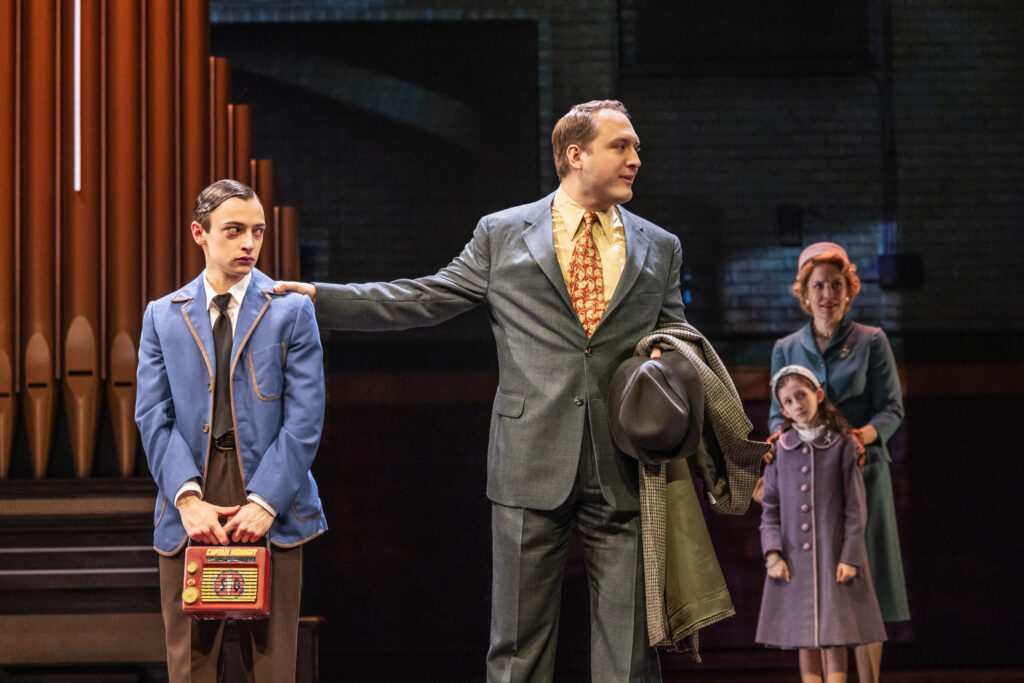
For a planned New York visit, standard booking is usually the strongest fit because it makes the performance itself the anchor. A weekday or matinee may open different seat choices than a popular evening, but there is no fixed saving to assume. Compare the live seat map and final checkout details through the standard performance calendar before arranging the rest of the day.
The play runs approximately two hours and 45 minutes, including an intermission. Review the official performance calendar and show ticket details while planning your arrival. Build arrival time into your itinerary: latecomers may be held in the lobby and seated at management’s discretion. The production includes loud noises, gunfire audio, explosions, smoke and haze, flashing lights and strobe, strong language, and depictions of mental health conditions, so the show information deserves a read before choosing for a mixed-age party.
- Best for a specific date or a coordinated weekend plan.
- Useful when seat location matters to your group.
- Trade-off: popular performances may have fewer seats to choose from, and the final price varies by date and location.
- Choose a performance first, then check the seat map.
- Review final checkout details for that exact date.
Group booking helps larger parties coordinate
Broadway Direct identifies group tickets for parties of ten or more and one coordinating contact. Start with group ticket information and group-sales arrangements for the current process. The group-sales route is useful when a school, family celebration or work outing needs a single point of coordination; review group ticket choices instead of several people independently selecting seats. The official page invites group requests; availability, rates and arrangements need to be confirmed with the sales team.
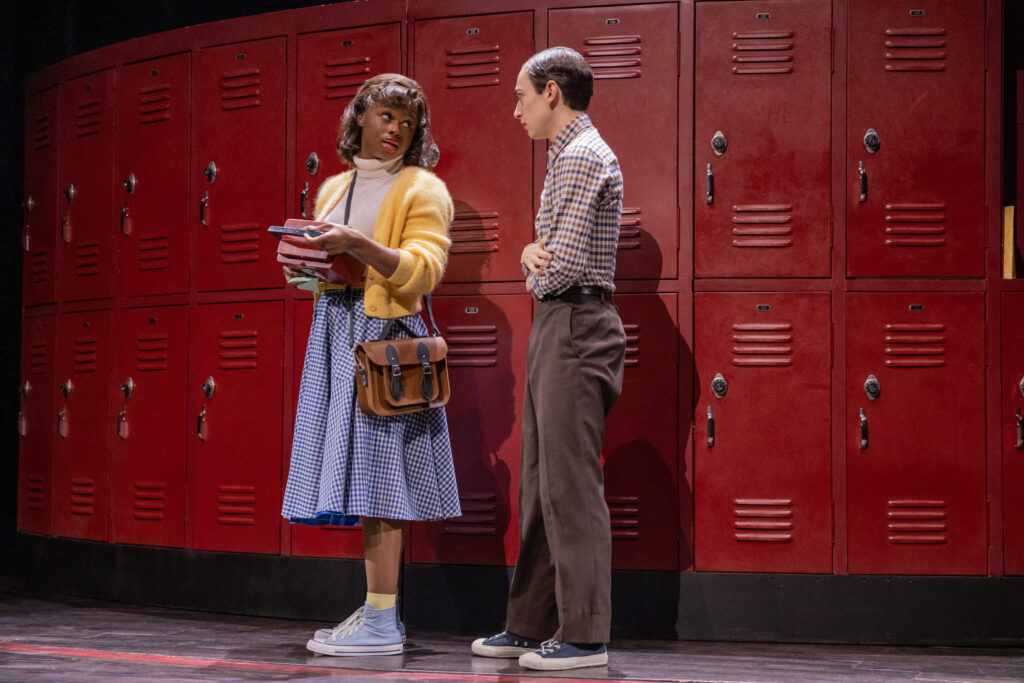
Compared with individual checkout, group sales can make the logistics easier to manage, but the request process asks for details and does not mean every performance or seating arrangement will be available. Start early enough to discuss the date, party size and any access needs. Check group booking details. A group organizer should also decide how payment and ticket distribution will work before submitting the request.
- Best for ten or more people who want help planning together.
- Useful for school trips, celebrations and organized outings.
- Trade-off: you may need to be flexible about date, seats or the time needed to arrange the booking.
For smaller parties, the group route may add unnecessary back-and-forth; a regular calendar booking is simpler. Compare standard performance tickets with group booking if your numbers are close to the threshold. For a genuinely large party, though, coordination can be worth more than choosing every seat individually. Review the group-sales information at Broadway Direct group tickets, then compare its response and terms with what the calendar offers for the same date.
- Choose a confirmed date when travel is fixed.
- Consider a group request when coordinating ten or more.
The lottery trades seat certainty for a chance at availability
A lottery is a different kind of choice: it may suit flexible buyers who can accept uncertainty, but it is not a substitute for a confirmed seat when travel plans are fixed. Start by checking confirmed ticket options if you have a fixed schedule. Broadway Direct operates a separate lottery page for the show, with the live entry window, limits, seat details and rules displayed there. Those details can change, so use the lottery page itself as the source of current terms.

Lottery access can be appealing to someone already in New York or able to adjust plans if not selected. It is a weaker fit for visitors booking flights, lodging or a special occasion around one performance: the chance of winning is not a confirmed reservation, and a lottery may not let you select the exact seats you would choose in the standard calendar.
There is also the rush or day-of option sometimes discussed for Broadway shows. Verify the current official ticket information before relying on an alternative route. Availability and procedures are production-specific; do not assume a walk-up offer exists for this performance unless Broadway Direct or the theatre confirms it. For this show, compare only routes whose current terms you can verify, and keep the official calendar as the fallback if certainty matters.
- Best for flexible visitors comfortable with a chance-based outcome.
- Potentially attractive if you are already nearby and can change plans.
- Trade-off: no guaranteed win, and seat selection is limited by the lottery’s current rules.
Read the lottery rules before entering, including deadlines, notification timing, ticket limits and collection requirements. If you need to secure a particular evening, a particular number of seats or accessible seating, a confirmed calendar booking is the more direct comparison. Review available ticket selections. Keep lottery rules separate from the standard ticket terms because the two booking routes are not interchangeable.
- Keep lottery entry as a flexible backup.
- Use the standard calendar when seat choice matters.
Seat access and show content can change the right choice
Broadway Direct says accessible seating is available as shown on the seating map, subject to availability for each performance. Review performance seat availability and the accessible seating information for the date you are considering. Wheelchair locations are in the orchestra, while other locations require stairs; the theatre also lists aisle-transfer seats and assisted-listening and captioning options. Contact the venue or ticket provider if the map does not show what your party needs; consult official accessibility details, rather than guessing from a generic seat description.

The official age guidance recommends 12 and up; children under five are not permitted, and guests under sixteen must attend with an adult. Check the show details and ticket calendar before coordinating a family booking. The production’s sensory and language content is also relevant for families and groups. Recheck the show information before choosing seats. This is a practical reason to check the show information before focusing on seat price alone.
When comparing options, use this short checklist:
- Can everyone attend the selected performance time?
- Does the seat map meet mobility or companion-seat needs?
- Does the group have a clear plan for payment and ticket delivery?
- Have you accounted for the run time, intermission and arrival window?
The best value and useful seat choice is not always the lowest displayed amount. A confirmed seat that works for the party, an accessible location or a schedule that avoids a rushed connection may be more useful than an uncertain lower-cost route. Review the precise listing and terms during checkout, since inventory and details are performance-specific.

- Check date, seat location and final checkout terms.
- Confirm accessibility directly when the map is unclear.
The show page is more useful than resale comparisons
Broadway Direct describes itself as the primary ticketing provider for Stranger Things: The First Shadow. Use its official show tickets to compare live performance options in one place. Booking through its official show page keeps the date selection, venue details and available-seat information together. A resale listing may show a different inventory or add its own terms, so compare the total checkout cost, delivery conditions and seat details rather than just the headline figure if you consider alternatives.
There is no single winner across all buyers. Standard tickets lead for certainty and choosing a seat; group sales are the sensible first contact for ten or more; the lottery is a speculative option for flexible visitors. Those distinctions are more useful than assuming one route is universally cheaper or better.
- Standard booking prioritizes certainty.
- Group sales prioritize coordination.
- The lottery prioritizes flexibility.
Questions buyers ask before choosing
How long is the performance?
Broadway Direct lists the run time at approximately two hours and 45 minutes, including an intermission. Allow additional time for arrival and seating, especially if travelling across Manhattan before curtain.
Which ticket route suits a group?
For ten or more, begin with group sales and confirm what is available for your preferred dates. Smaller parties can usually compare available seats directly in the performance calendar.
Is the lottery a confirmed ticket?
No. A lottery is a chance-based route with separate current rules and limited availability. Compare the official standard ticket calendar as a confirmed alternative. Use standard booking if you need a confirmed date and seat.
- Pick the route that matches your date certainty and party size.
Wrapping up
For most visitors with a fixed New York itinerary, standard tickets are the overall winner for fixed travel plans because they let you choose among available dates and seats. Group sales win for larger parties that need coordination; the lottery is best treated as an optional chance for flexible plans. The limitation is that seat inventory and final costs move with date and location, and a listing today cannot guarantee the same options later.
Compare the live calendar, group route or lottery terms against your real schedule and access needs. Open standard ticket options or group booking information to check fit. Broadway Direct lists the show through January 3, 2027, but check the official page for current performance availability and booking details.