
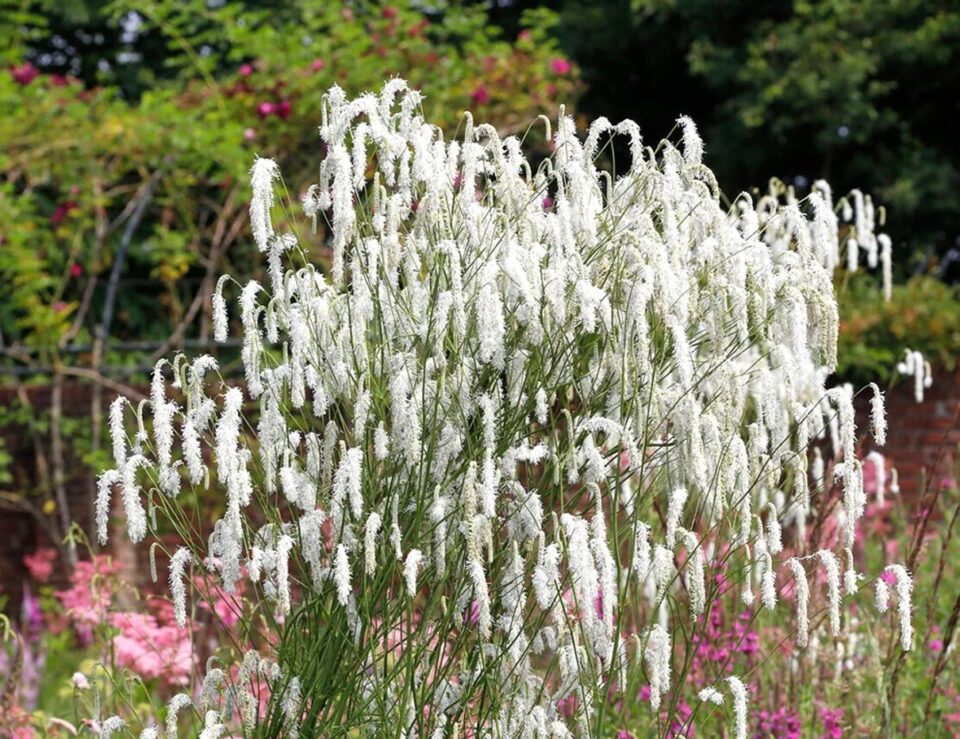
A close look at Sanguisorba Korean Snow’s flowering season, footprint and moisture needs can help you decide whether this bare-root perennial belongs in your planting plan.
A white-flowered perennial can bring height and movement to a border without relying on a large, solid mass of colour. Sanguisorba Korean Snow, also called burnet, is presented by DutchGrown™ as an airy plant with narrow flower spikes held above divided grey-green leaves. Its appeal is specific: a tall, fine-textured silhouette, rather than a broad mound or a showy, tightly packed flower.
The practical questions are whether its size fits the space, whether your soil can stay moist, and whether a spring-supplied bare-root plant matches your schedule. We reviewed the UK product information for this article; the recommendation below is based on the listing’s stated growing details, not on hands-on growing.
Disclosure: this post includes affiliate links, and we may be paid a commission on purchases made through them.
Highlights
- Spring bare-root format: Sanguisorba Korean Snow is listed for spring planting, with dispatch beginning in mid March.
- Tall, narrow habit: the listing gives an approximate height of 150 cm and spread of 50 cm.
- Long summer display: bright white spikes are listed from June to September.
- Moisture matters: it prefers moist, well-drained soil and full sun or partial shade.
- Colour alternatives: Sanguisorba Lilac Squirrel and Sanguisorba All Time High present different tones within the same genus.
Korean Snow adds height without a wide footprint
The strongest case for Sanguisorba Korean Snow is its upright but relatively narrow profile. DutchGrown™ lists an approximate height of 150 cm alongside a spread of about 50 cm. In a border where low planting needs a fine vertical accent, that proportion can be useful: the flower stems lift the eye, while the stated spread leaves room for neighbouring plants. These are approximate dimensions, so allow for local growing conditions and do not plan a path edge or tight gap around the exact measurement. The product page is the place to confirm the current listing details.
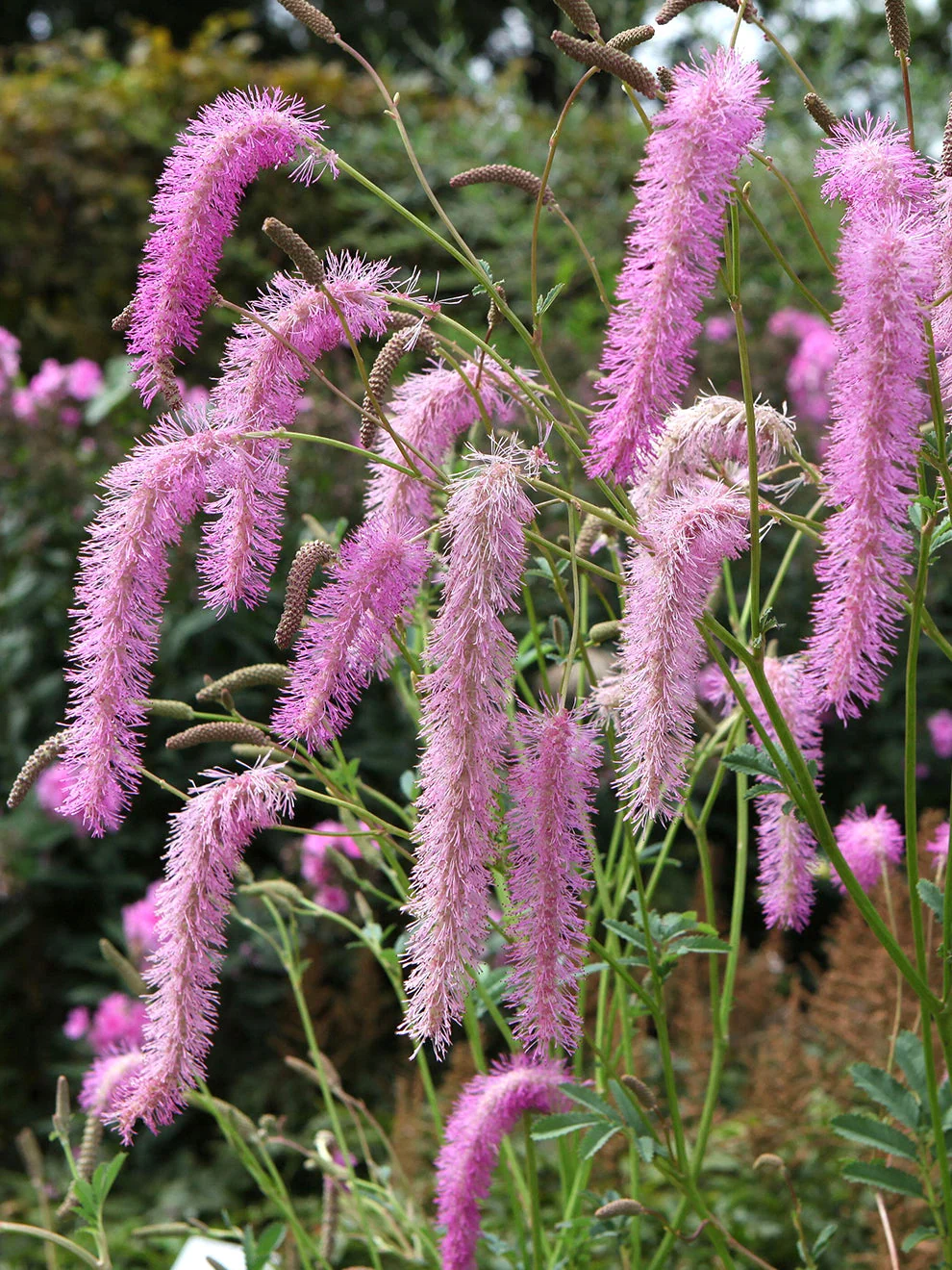
The product description emphasizes slender, bright white flower spikes that droop above grey-green foliage. This gives the plant a lighter visual effect than a dense flower head. It can make sense behind shorter plants or among grasses, where the stems can rise through the planting rather than obscure it. For a direct look at the named offering, see the UK product details. The store also suggests contrasting it with darker foliage or red and burgundy flowers, and pairing it with blue Agapanthus. Treat those as composition ideas rather than fixed recipes: the finished effect will depend on spacing and the plants already in your garden.
- Use the listed height as a planning cue for the back or middle of a border, not as a guaranteed mature measurement.
- Keep enough open space around the stems to preserve their fine outline.
- Consider the white flowers where the surrounding palette already has strong colour or dark foliage.
- Avoid a dry, exposed pocket unless you can keep the root zone watered during dry spells.
For gardeners comparing the genus, Sanguisorba Lilac Squirrel is described with soft lilac-pink spikes and a listed height of about 115 cm, while Sanguisorba All Time High offers another named option. The difference is not just flower colour: height and the resulting position in a layered border also matter. Korean Snow’s listing is the tallest of these examples, so it suits a plan that can use a taller, pale accent.
June to September gives the white spikes a long season
DutchGrown™ lists flowering from June through September. That window places Sanguisorba Korean Snow among summer and late-summer planting, when a border can benefit from flowers that retain a loose, light character. The fine spikes add texture as well as colour; they are not described as large, solid blooms. Readers looking for a conspicuous focal flower from across the garden may prefer a more substantial flower form, while those who like movement and detail at closer range may value the difference.
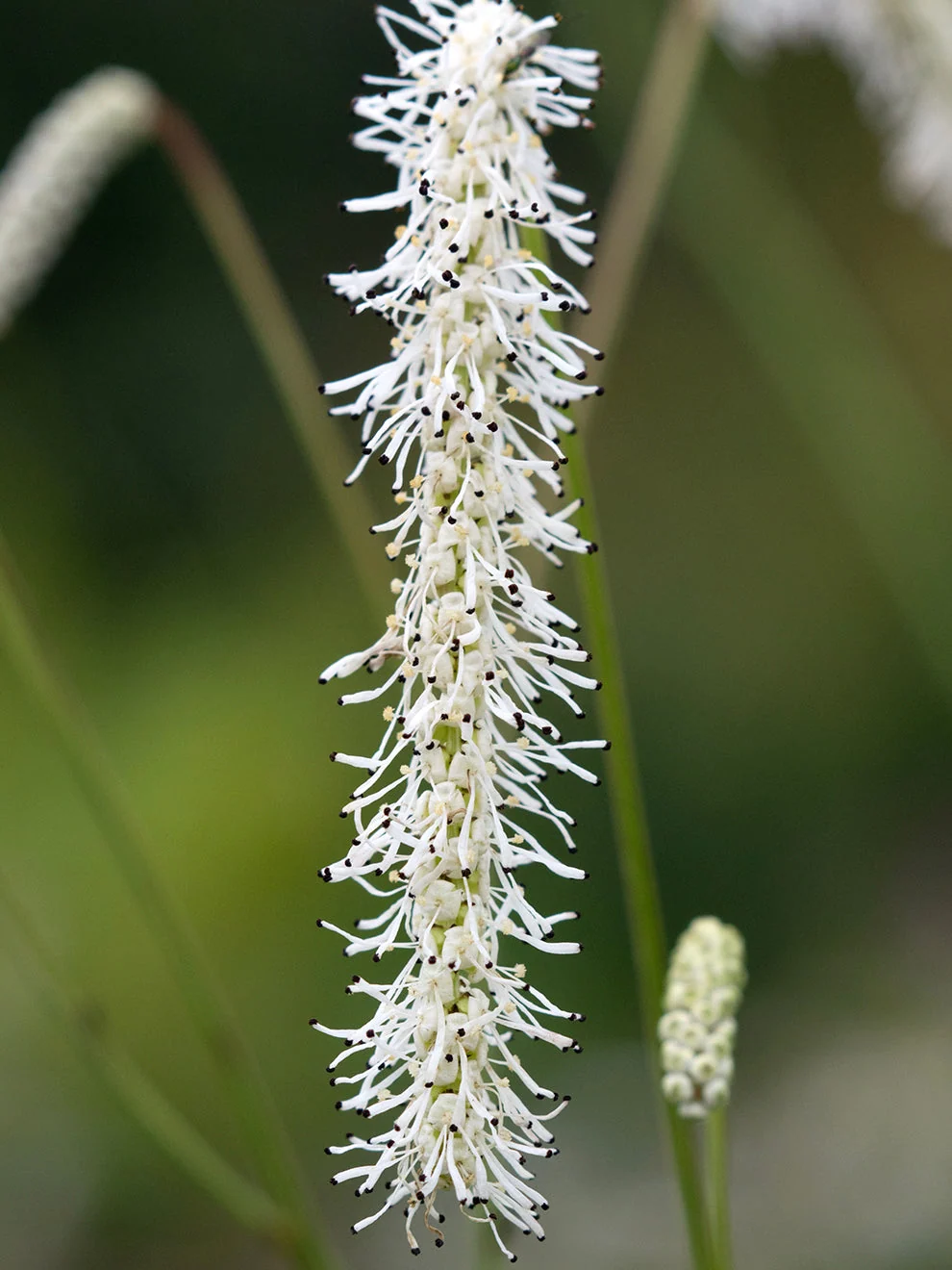
The listing describes grey-green, deeply divided foliage and an upright, clump-forming habit. The foliage supports the flower stems rather than competing with them. The named bare-root plant is aimed at gardeners planning a full season display. DutchGrown™ also identifies the plant as attractive to bees and other beneficial insects. That makes it a possible part of a wildlife-aware planting, though one variety alone cannot determine how much wildlife a garden supports.
This is a perennial rather than an instant seasonal filler. The store says the plant is supplied bare root for spring planting, with dispatch beginning in mid March. Buyers should therefore be comfortable planning ahead and establishing a plant whose main flowering period follows later in the season. Check the current listing for stock and dispatch information before making plans, since online availability and shipping schedules can change.
Moist soil is the key condition to get right
The stated position is full sun or partial shade, and the preferred soil is moist and well drained. Those conditions point to a plant that can work in a sunny border with adequate moisture or a site with some shade, provided the soil does not dry out completely. The advice to water regularly after planting and during dry spells is particularly relevant for a tall, leafy perennial establishing from a bare-root start.
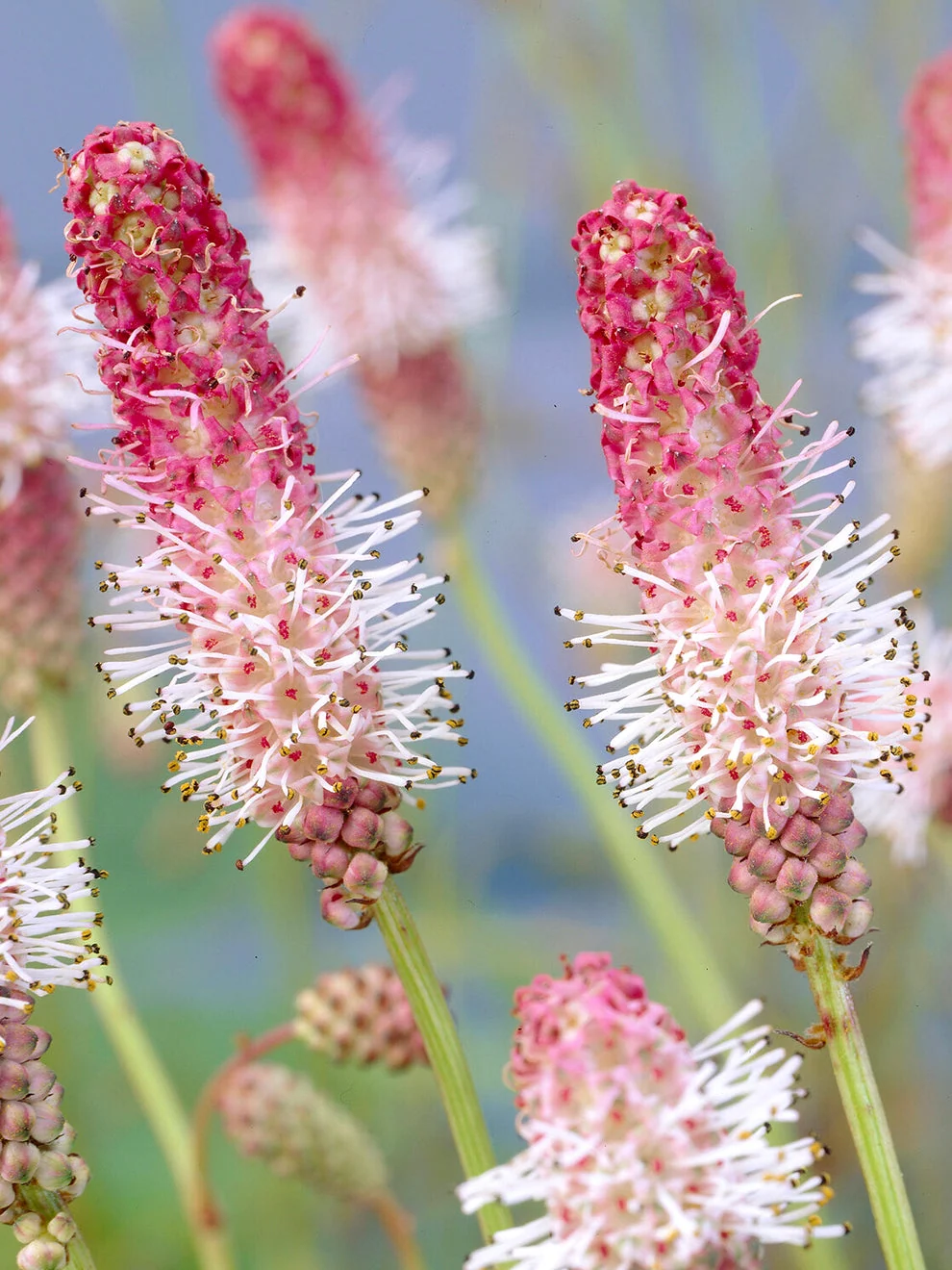
The UK listing calls Korean Snow fully hardy and says it can be grown in a large, deep container with moisture-retentive compost. A pot is therefore possible, but the stated height and moisture preference mean a small or neglected container would be a poor match. Compare the Korean Snow growing notes with the container you have in mind. In exposed positions, the listing notes that the slender stems may benefit from support. That is a useful limit to keep in mind if your garden is windy or the planting site lacks shelter.
- Check that the soil stays moist while still draining adequately.
- Choose sun or partial shade according to the light available in the intended spot.
- Water regularly after planting, then keep an eye on the root zone during dry spells.
- In an exposed position, be prepared to support the tall, slender stems if they need it.
If those conditions are difficult to provide, the plant’s visual qualities may not outweigh the upkeep. Conversely, a moisture-retentive border or a large container that can be checked routinely makes its care needs easier to accommodate. The listing’s details are a useful filter, but garden soil, local weather and exposure still affect results.
The bare-root listing gives useful detail, with timing to check
A product page is most useful when it answers the practical questions before checkout. For Sanguisorba Korean Snow, DutchGrown™ states the supply format, a spring planting window, dispatch timing, dimensions, flowering period, position and soil preference. It also says to plant the crown at soil level, space plants about 40 to 50 cm apart and cut back old stems in late winter or early spring. That is useful pre-purchase detail compared with a page that names a flower but leaves the buyer to find basic cultivation information elsewhere. Revisit the full product information before deciding.
A few checks remain the buyer’s responsibility. Confirm that the listing is active, review the current dispatch schedule and make sure you can plant and water when the bare-root stock is sent. The page’s start date for dispatch is seasonal context rather than a personal delivery promise. Check the product page alongside the store shipping notes. Read the store’s shipping information for any relevant dates and terms, and use the final product page to confirm the present offer details.
The practical case for choosing a named plant is strongest when its growing details match the site. For this review, the deciding question is narrower: does this one burnet fit the light, moisture and vertical space your border can offer?
Korean Snow suits a layered, moisture-aware border
- Strengths: a tall, narrow outline, white summer spikes and a stated flowering period from June to September.
- Limits: it prefers reliably moist soil, arrives as seasonal bare-root stock and may need support in an exposed position.
We would shortlist Sanguisorba Korean Snow for a gardener who wants a tall, pale, fine-textured perennial and has soil that can remain consistently moist without becoming poorly drained. See the listed growing conditions as part of that decision. Its stated flowering span, wildlife appeal and manageable listed spread make it particularly relevant to layered borders where a slim vertical accent is useful. It may also suit a large container if the compost retains moisture and watering is reliable.
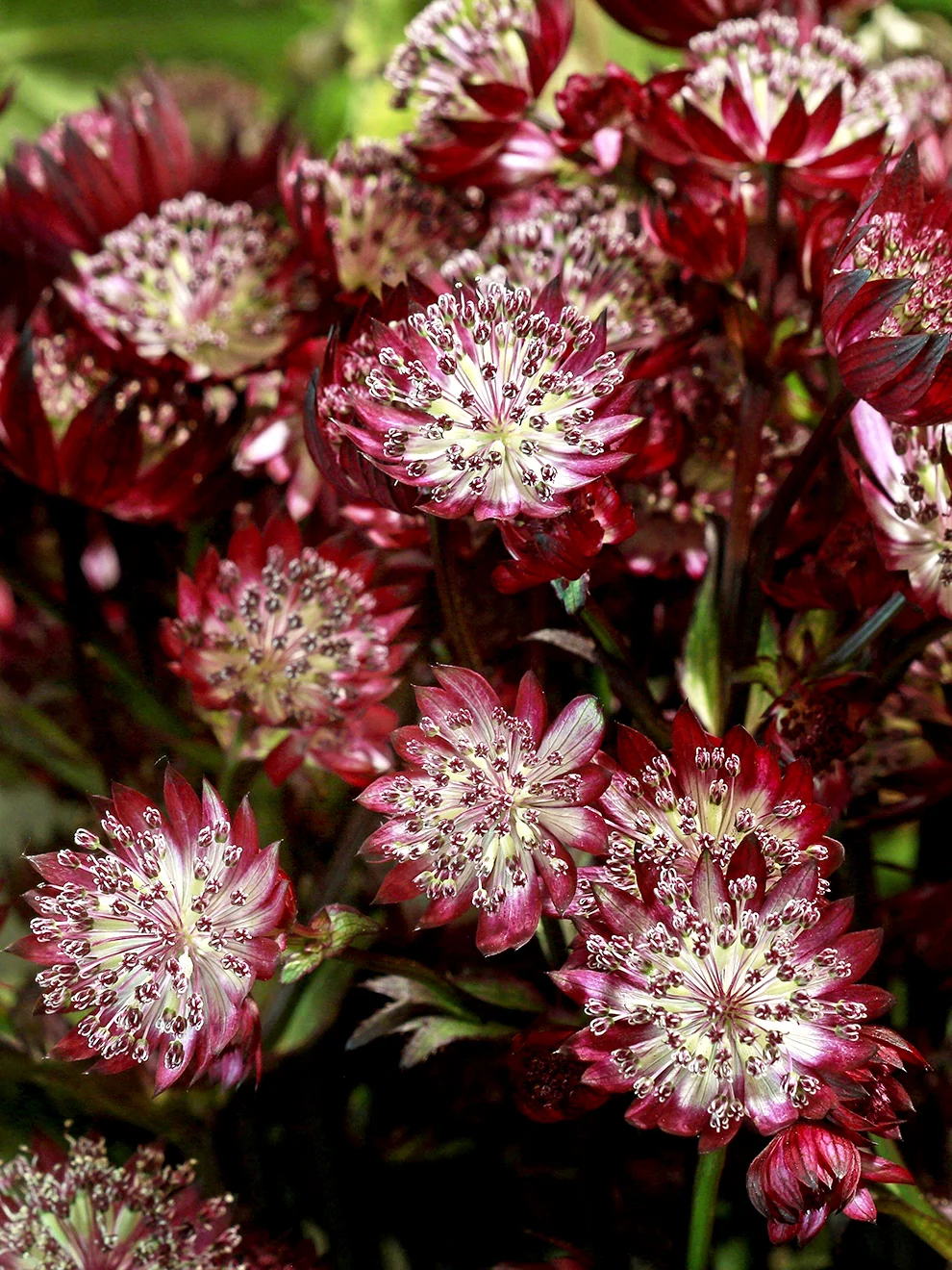
We would hesitate where the site is dry, very exposed or too tight to accommodate a plant around 150 cm tall. Buyers wanting immediate colour at planting time should also account for the bare-root format and seasonal timing. For a softer pink alternative, compare Lilac Squirrel; for a different named burnet, inspect All Time High. The final choice should follow the actual border conditions, not the flower image alone.
Frequently asked questions
How tall does Sanguisorba Korean Snow grow?
DutchGrown™ lists an approximate height of 150 cm and spread of about 50 cm. Treat these as planning measurements rather than guarantees, and account for soil, light and exposure.
When does Korean Snow flower?
The product information gives June to September as its flowering period. The precise timing and display can vary with growing conditions and the plant’s establishment.
Can it grow in a pot?
The listing says yes, in a large, deep container with moisture-retentive compost. Its tall habit and preference for moist soil mean a container needs regular attention, particularly during dry spells.
Wrapping up
Sanguisorba Korean Snow is a focused choice for gardeners who need height, airy white flower spikes and summer interest in a relatively narrow footprint. Its listing provides concrete dimensions and growing guidance, while the main limitation is clear: it depends on reliable moisture and may need support in exposed sites. If that matches your garden, check the current Sanguisorba Korean Snow listing for availability and dispatch details.