
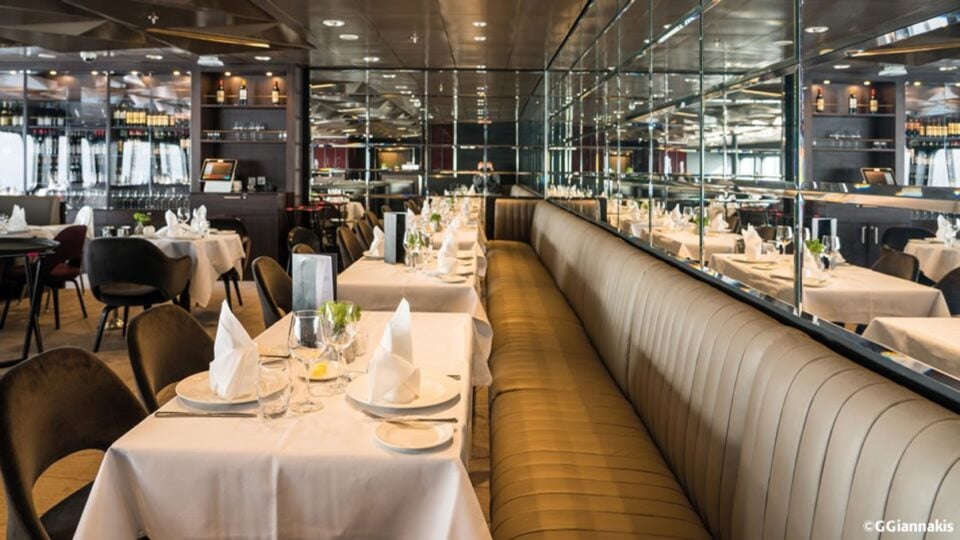
A practical guide to fitting the Dublin-Cherbourg crossing, ship facilities and French stays into a cooler-season itinerary.
A France trip from Ireland has a different rhythm once the days shorten. The ferry is not just a line on the itinerary: its departure, arrival port and onboard choices influence how much driving or connecting you will do at either end. For a late-autumn or winter break, those decisions matter as much as the destination.
We reviewed the Ireland-region travel pages from Irish Ferries to map the available pieces: the Dublin-Cherbourg route, facilities on W. B. Yeats, French holiday parks and Sail & Rail. This is planning guidance based on the published information, so check the live sailing calendar and each option’s terms before setting dates.
Disclosure: this post includes affiliate links, and we may be paid a commission on purchases made through them.
Highlights
- Dublin-Cherbourg is the direct sea connection to consider when France is the goal.
- W. B. Yeats offers cabins, dining, lounge areas, a cinema and family spaces for time aboard.
- Eurocamp Holiday Parks and Sail & Rail serve different onward plans: a park-based stay or a rail connection.
- For a cooler-season trip, check sailing dates, operating details and onward connections together before booking.
Dublin-Cherbourg keeps the sea leg direct
A seasonal trip begins with the route and its arrival point. The published Dublin-Cherbourg route page lays out the Ireland-France crossing, making it a natural starting point for travellers who want to take a vehicle and continue by road after landing. The route is also relevant to foot passengers, though their onward plan needs extra attention because the port-to-destination connection is a separate part of the journey.
For an autumn or winter itinerary, build the plan around the sailing you can actually book, then work backwards from your first night in France. Consider how much daylight you will have for the drive, whether you want to stop near Cherbourg, and how far the first accommodation is from the port. The Dublin-Cherbourg route details can help establish the crossing; it does not remove the need to check local transport and accommodation separately. Compare the latest sailing information with your first night before fixing the itinerary.
The main advantage is geographic clarity: Ireland to northern France by sea, followed by a road or rail plan that you choose. The trade-off is that the crossing anchors the schedule. If your dates are fixed, check arrival timing, transfer needs and the return leg together rather than choosing a stay first and assuming the ferry will fit.
- Start with the outbound and return sailing dates.
- Mark the arrival port and estimate the onward journey in daylight.
- Allow a buffer before any separately booked train, hotel or activity.
- Check vehicle, passenger and pet requirements in the booking details.
View the Dublin-Cherbourg route for current route information, and check available sailings once your dates are taking shape. The published page is the right place to confirm the itinerary details before you commit to an onward connection.
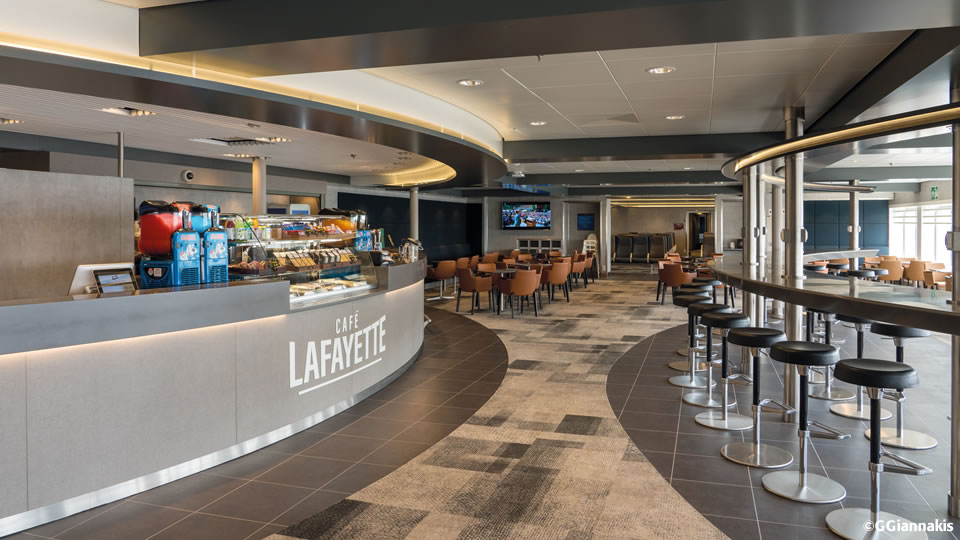
W. B. Yeats gives a longer crossing more options
The crossing itself can feel more manageable when you decide in advance how you want to spend it. Irish Ferries lists W. B. Yeats with cabins and public areas that include dining, lounges, a cinema and family spaces. The choice is less about finding a single best facility and more about matching the sailing length, party and departure time to the kind of rest you need.
A cabin can offer a private place to rest, particularly if you are travelling overnight or want a base for children and luggage. Public lounges provide another way to spend time aboard, while dining options can make meals part of the crossing instead of another item to arrange. Families may value the dedicated play area; couples or solo travellers may prefer a quiet seat and a book. Facilities are subject to the ship and sailing, so confirm what is available for the date you choose.
The published onboard range includes Cafe Lafayette, Boylan’s Brasserie and the Maud Gonne bar and lounge, alongside the Lady Gregory lounge. Read the W. B. Yeats facilities listing and current ship information for the full picture. These names are useful when comparing the ship’s spaces, but they are not a promise that every venue or service will operate on every departure. The official ship page is where to check details.
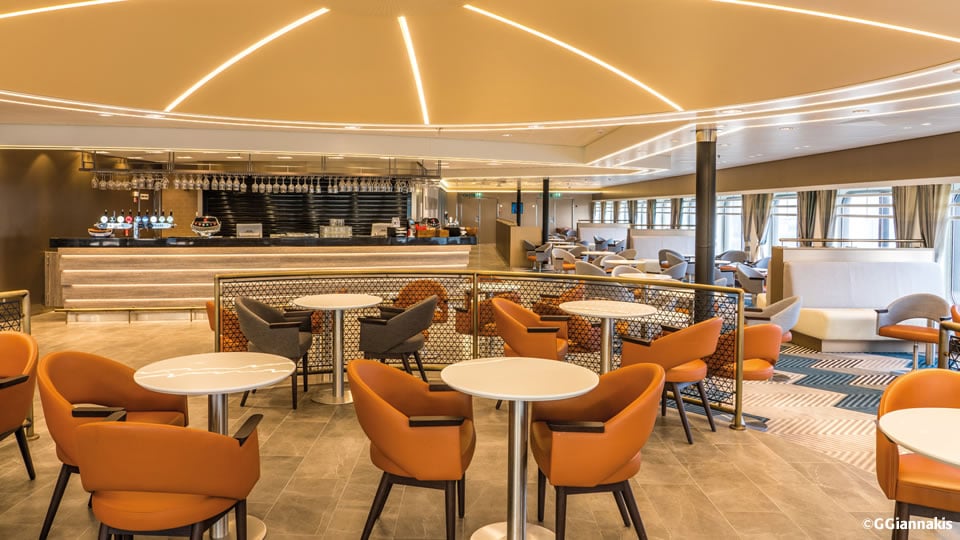
See W. B. Yeats onboard options and review the cabin information before choosing your crossing. If you are weighing a cabin against a seat, consider the departure time, who is travelling and whether a quiet place to rest is part of the plan. The cabin category and extras will affect the overall cost, so check the current booking details rather than relying on an old quote. You can compare cabin information while reviewing the ship facilities for your planned crossing.
- Choose a cabin if private rest or a family base is important.
- Check which dining and lounge facilities apply to your sailing.
- Keep medication, documents and essentials accessible during the crossing.
- For children, check the location and opening details of family spaces.
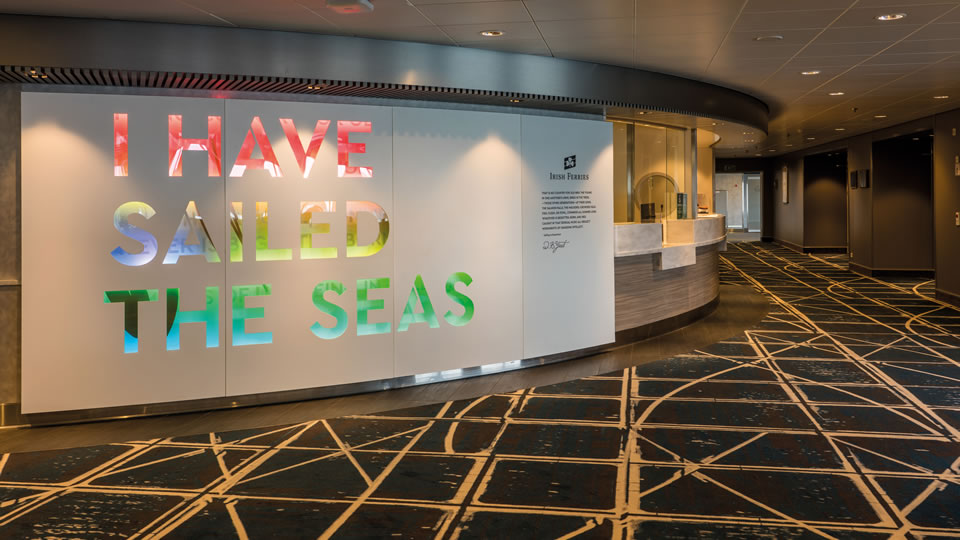
Travellers can compare seating and lounge choices against the length and timing of their crossing.
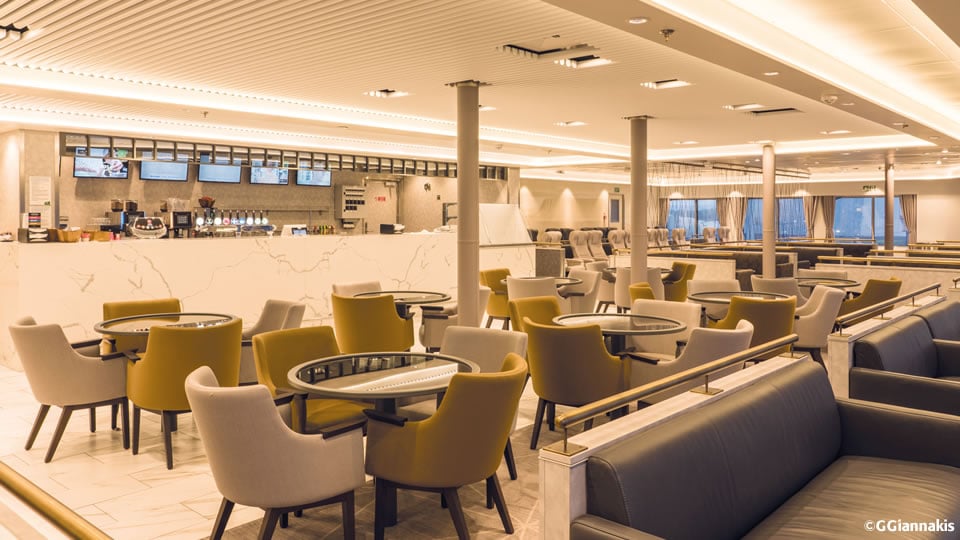
A quieter lounge may appeal if you want a more settled place to sit. Check whether access is included or requires a separate selection for your sailing.
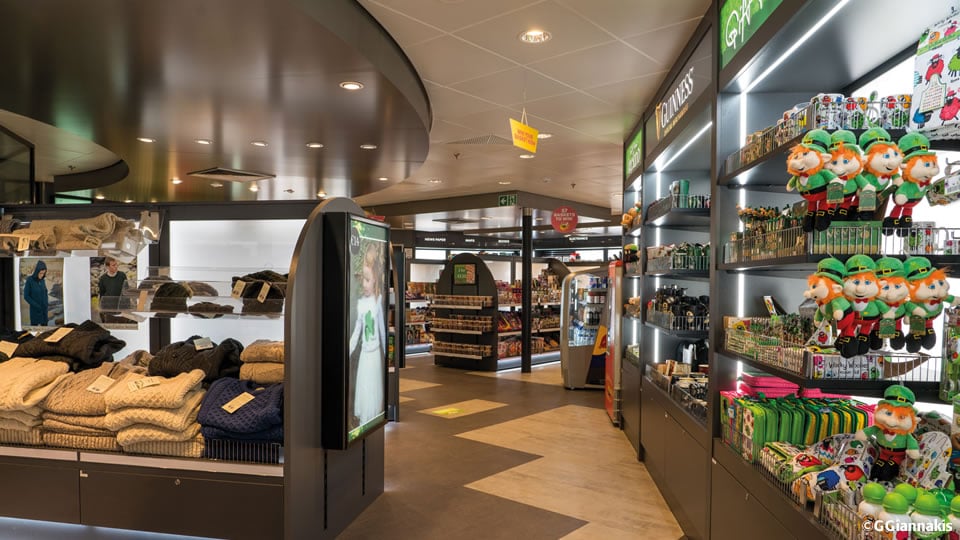
Eurocamp makes a park stay part of the route plan
A park-based holiday can suit travellers who want accommodation and leisure facilities in one setting after the ferry. Eurocamp Holiday Parks lists selected French parks through Irish Ferries, including options in Normandy and other regions. The key winter question is not simply which park looks appealing: it is whether the accommodation and facilities you want operate for your dates, and how far the location sits from Cherbourg.
For a Normandy-focused itinerary, nearby destinations can make the landing point part of the trip rather than a transit stop. A longer stay further into France changes the balance: it may give you a fuller change of scene, but adds driving time after arrival. Compare the park location, accommodation type, included facilities and seasonal opening information. Irish Ferries presents ferry-linked holiday options, while the park’s own availability and conditions determine what you can book.
Eurocamp is a specific option to investigate, rather than a blanket recommendation for every cold-season break. Families who plan to use on-site facilities should verify what remains open. Travellers mainly seeking a base for day trips should look at location and travel times first. Accommodation type and trip length will shape the cost, so check the current listing for your dates. Use the Eurocamp park information to review locations and the available holiday options for your preferred timing.
Browse Irish Ferries Eurocamp Holiday Parks and compare the listed park locations with your intended route. Read the seasonal details carefully before making the ferry and stay work as a single itinerary.
- A car supports rural stops and flexible day trips.
- A park stay keeps the accommodation choice focused in one location.
- Sail & Rail may fit a city itinerary with confirmed transfers.
Sail & Rail suits travellers continuing without a car
Sail & Rail to France is another possibility for travellers who would rather connect the ferry with rail than drive the whole route. It can simplify the broad shape of a trip, but it introduces a connection to manage: the port transfer, train journey and timings all need to line up. That matters more in winter, when a missed connection can be harder to absorb into a short break.
Check exactly what the Ireland-region Sail & Rail option includes for the dates and destinations you have in mind. Confirm stations, transfer arrangements, ticket conditions and whether the ferry and rail portions are booked together or require separate steps. Do not assume a station is at the ferry terminal or that a connection is protected unless the current terms say so. Check the Sail & Rail overview against the current route and ticket details before relying on a tight transfer.
Review Sail & Rail to France and check the connection details before choosing it over a car-based itinerary. Rail can suit a city break or a trip with a defined destination; a car may offer more flexibility for rural stays. The best choice depends on the French leg after arrival, not only the crossing. Revisit the rail option details alongside the route information when comparing the two approaches.
A short checklist reduces seasonal surprises
A cooler-season trip can work well when the components are checked in sequence. Use the current Irish Ferries pages to confirm the route and onboard choices, then verify the separate accommodation or rail details that complete your itinerary.
- Check sailing dates and arrival times for both directions.
- Confirm the onboard facilities and cabin option for the selected ship and departure.
- For a park stay, check opening dates, accommodation availability and which facilities operate.
- For rail, confirm every transfer, station and ticket condition.
- Leave enough time between the ferry and any separately booked connection.
The practical limit is seasonal availability: route dates, onboard services, park operations and onward transport can vary. A plan that works in a busy summer period may not map neatly onto a late-autumn or winter departure. Treat each live listing as the final source for your own dates, and keep enough flexibility in the first and last days of the trip. Check the sailing calendar information, onboard options, park listings and rail conditions together.
Questions travellers ask about winter France crossings
Is Dublin-Cherbourg a direct route to France?
Irish Ferries lists Dublin-Cherbourg as its Ireland-France route. Check the current sailing calendar for operating dates and times, then plan your onward journey from Cherbourg separately.
What can I do onboard W. B. Yeats?
The ship information describes cabins, dining, lounges, a cinema and family spaces. Facilities can vary by sailing, so confirm the current details before choosing a departure.
Can I pair the ferry with a French holiday park or train?
Irish Ferries lists Eurocamp Holiday Parks and a Sail & Rail option for France. Check the relevant listing for seasonal availability, what is included and how the onward connection works.
Wrapping up
For a late-autumn or winter France trip from Ireland, Dublin-Cherbourg is the clearest starting point, while the ship, stay and onward transport choices shape how comfortable and manageable the overall itinerary feels. We would begin by checking the live route dates, then choose between a vehicle-based trip, a park stay or a rail connection based on the destination and pace you want.
The honest limitation is that seasonal operations and availability can change across sailings, venues, parks and trains. Use the Ireland-region pages to confirm your exact dates and terms before booking.