
A first-time reader’s guide to the production’s 1959 origins, creative team, theatrical language, and official visit-planning options.
A Broadway adaptation based on a television franchise can raise two questions at once: does a new viewer need to know the series, and what makes this production feel like theatre rather than an episode on a stage? Stranger Things: The First Shadow on Broadway answers both by moving back to Hawkins in 1959 and building its story around characters before the events familiar to television audiences.
We reviewed Broadway Direct’s official show and production information to understand the brand’s point of view, the creative work behind the play, and the practical details a first-time visitor should weigh. The result is a production with an accessible story entry point, a technically ambitious stage vocabulary, and a visit that still needs ordinary planning around dates, seats and theatre access.
Disclosure: this post includes affiliate links, and we may be paid a commission on purchases made through them.
Highlights
- Hawkins in 1959 gives the play a new starting point, with Henry Creel and Patty Newby at the centre of its story.
- The creative roots include writer Kate Trefry, an original story developed with the Duffer Brothers and Jack Thorne, and direction by Stephen Daldry with Justin Martin.
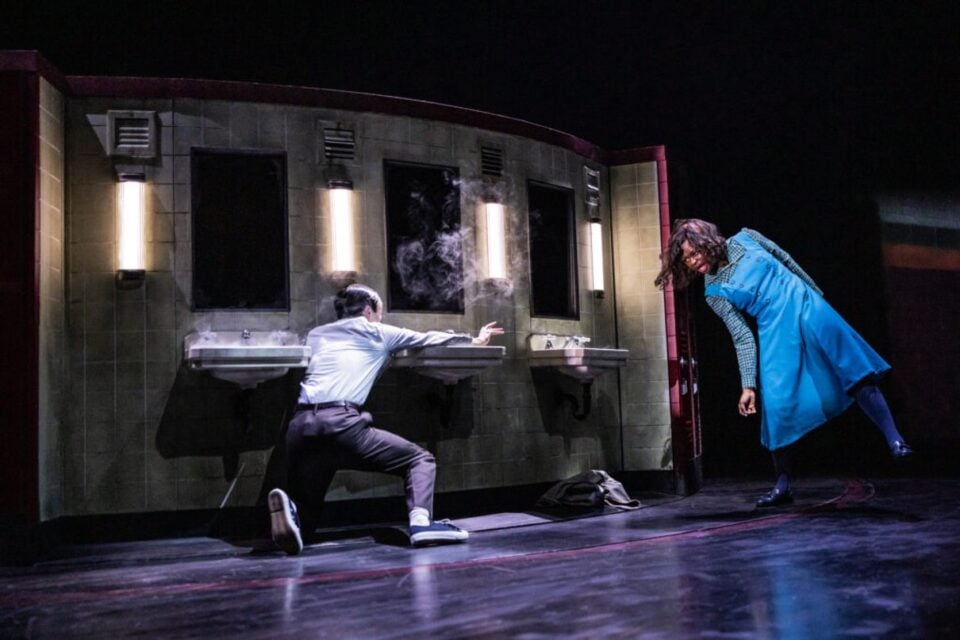
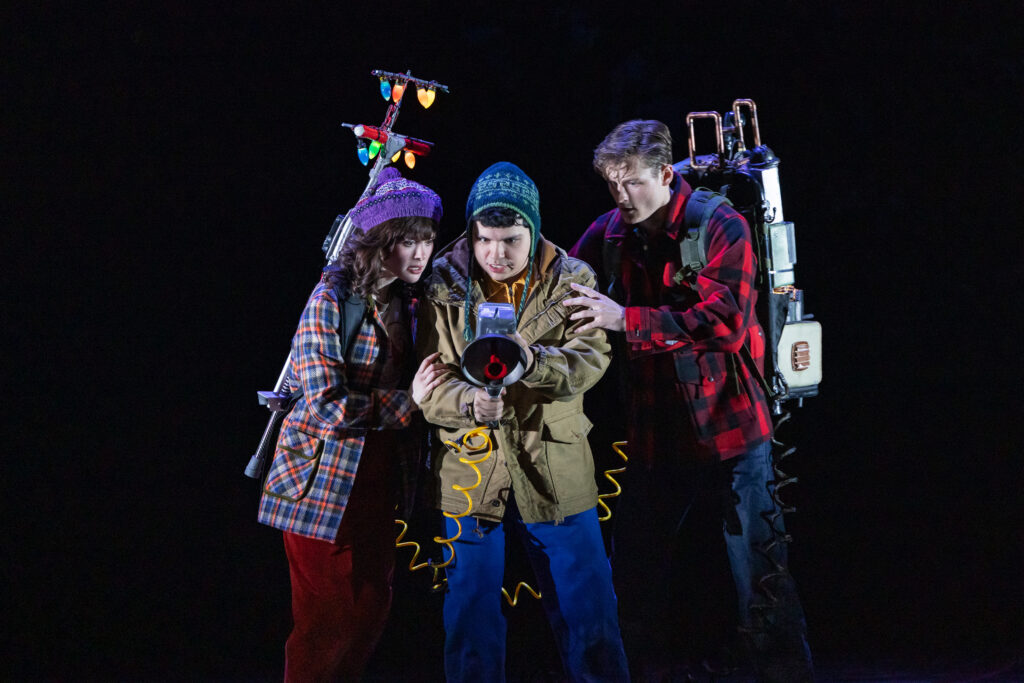
- Illusions, lighting, sound and scenic design are part of how the production tells its story, not just background decoration.
- Broadway Direct’s standard performance tickets and dedicated group booking route serve different ways of organising a visit.
- Readers can check the Marquis Theatre details, content notes, accessibility information and current performance availability before making plans.
A 1959 Hawkins story opens a different door
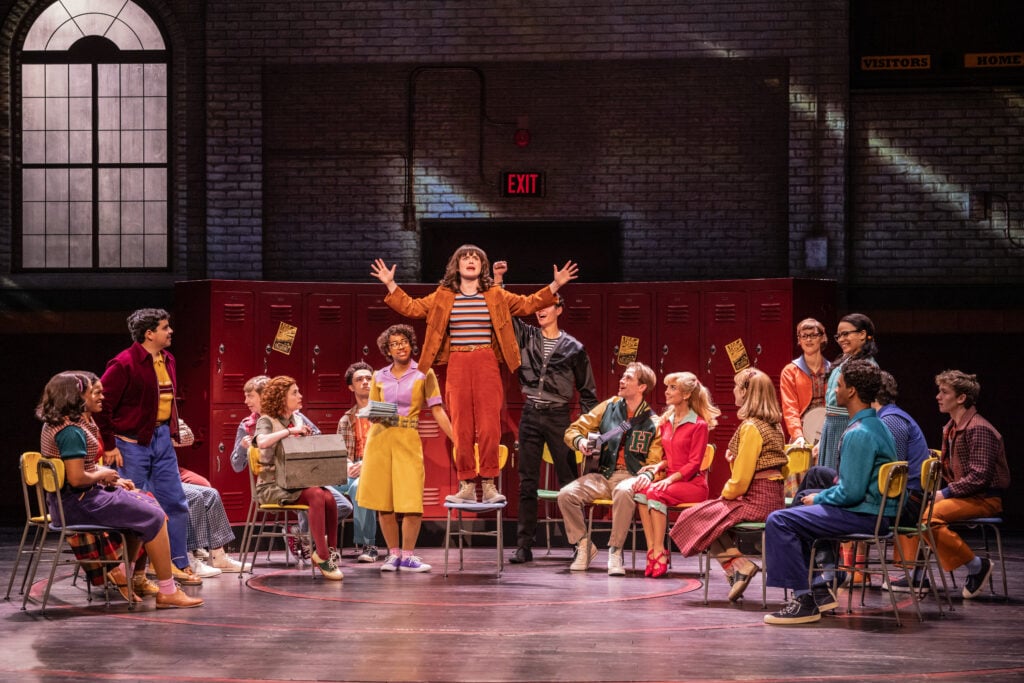
The production is a prequel, but its most useful feature for newcomers is that it begins with a clear dramatic situation. The Creel family arrives in Hawkins hoping for a fresh start; their son Henry is struggling with his past, and his connection with Patty offers a glimpse of another possible life. Around them, Joyce Maldonado, Bob Newby and young Jim Hopper have their own ordinary concerns before unsettling events gather force.
That setup matters because franchise theatre can become a roll call of references. Here, the official synopsis frames a mystery about belonging, family and the origins of a familiar threat. Fans can bring their wider knowledge of the series, while people meeting the world for the first time have a period setting, a town and relationships to follow. We would describe this as an entry point with context, rather than a replacement for the television story.
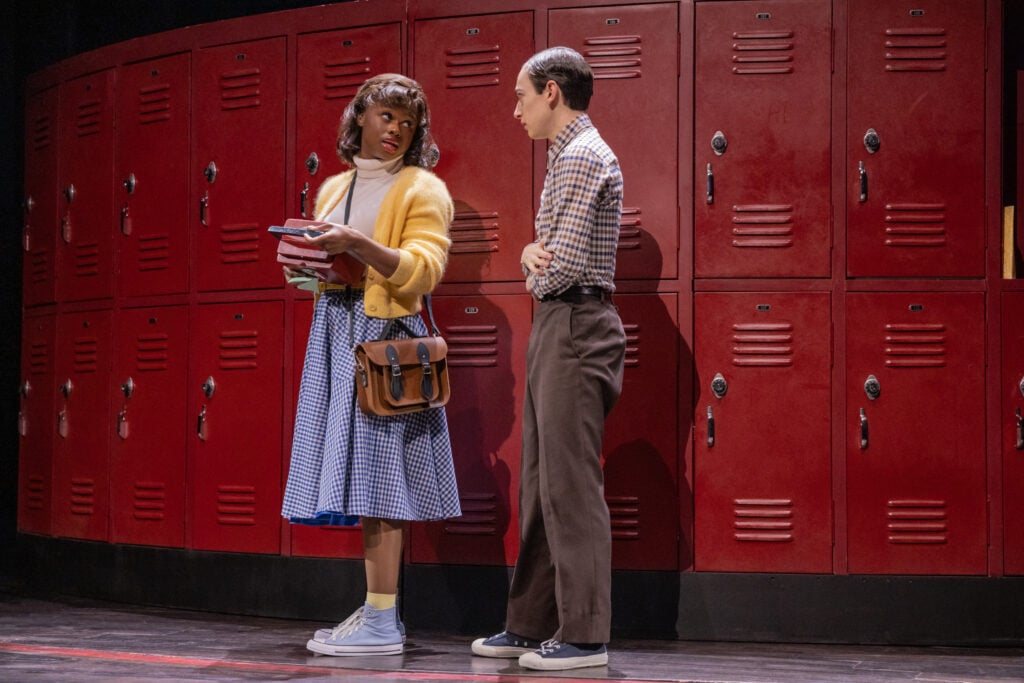
Three anchors orient newcomers:
- Henry Creel arrives in Hawkins with his family.
- Patty Newby connects with him as another outsider.
- Strange events unsettle the town’s ordinary rhythms.
The audience knows more about Henry’s future than the characters do, which gives those relationships extra tension.
A series marathon is not a prerequisite. The official show page gives a synopsis and content guidance to help visitors decide whether the themes and effects suit their party. Readers who enjoy origin stories and small-town mysteries have a reason to consider it.
The creative team treats the prequel as theatre
Kate Trefry, who has writing ties to the television series, wrote the play from an original story shaped with Matt and Ross Duffer and Jack Thorne. Stephen Daldry and Justin Martin direct the Broadway production. Those credits point to a screen and stage collaboration and theatre-makers whose work is built for live performance.
The premise draws on the larger Stranger Things universe, but theatre asks the story to work in a shared room and in real time. A pause, a shift in light or a sound cue can change a scene. The stage version has a different toolset from a filmed episode, even when both inhabit the same world.
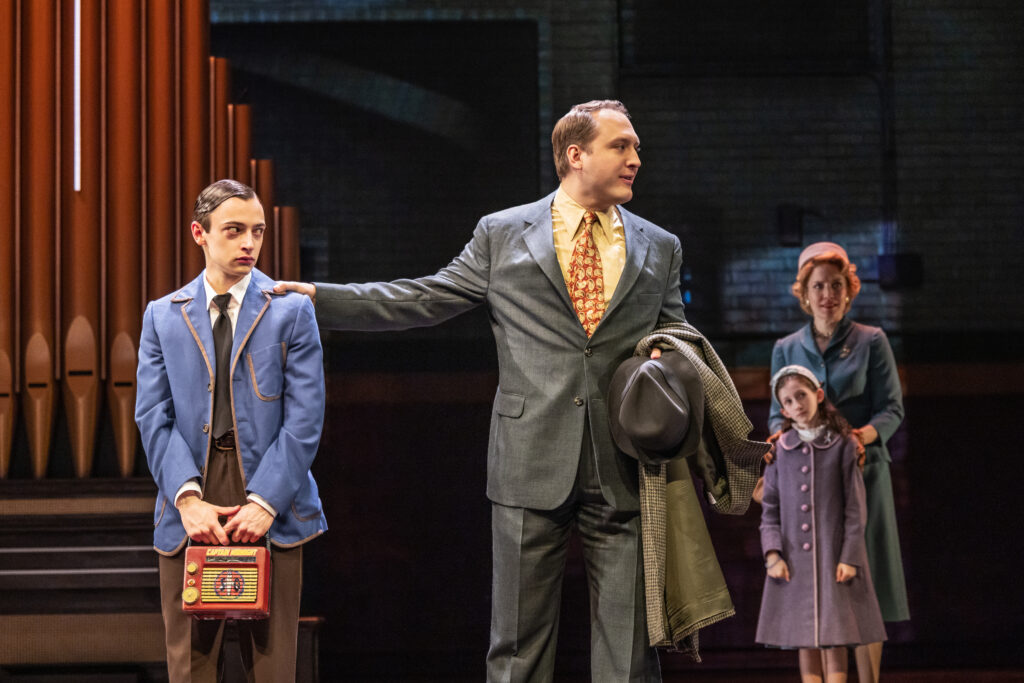
The official credits name designers for set, costume, lighting and sound, as well as a specialist illusions and visual-effects team. The production received Tony Awards for scenic, lighting and sound design, plus a special award for illusions and technical effects. Those awards recognise specific disciplines; they do not predict how each audience member will respond.
The distinction may be more useful than asking whether the show is “just for fans.” Design-minded visitors have an independent reason to attend, while franchise followers may focus on familiar characters and clues. The show’s creative credits help set expectations before selecting a seat.
Illusions give the stage its own visual grammar
The production’s visual identity is built around the tension between recognisable Hawkins and an unstable world pressing against it. Scenic design establishes an everyday place; lighting, video, sound and illusion techniques can then make that place behave unexpectedly. Broadway Direct foregrounds these disciplines in the show’s credits, and they help explain why the adaptation is presented as a stage event rather than a straightforward retelling.
The effects work as storytelling tools. A reveal can alter what the audience thinks it has seen, while sound and light turn an ordinary setting into a source of unease. For design-minded viewers, the mechanics are part of the pleasure; spectacle matters most when it changes a scene’s stakes.
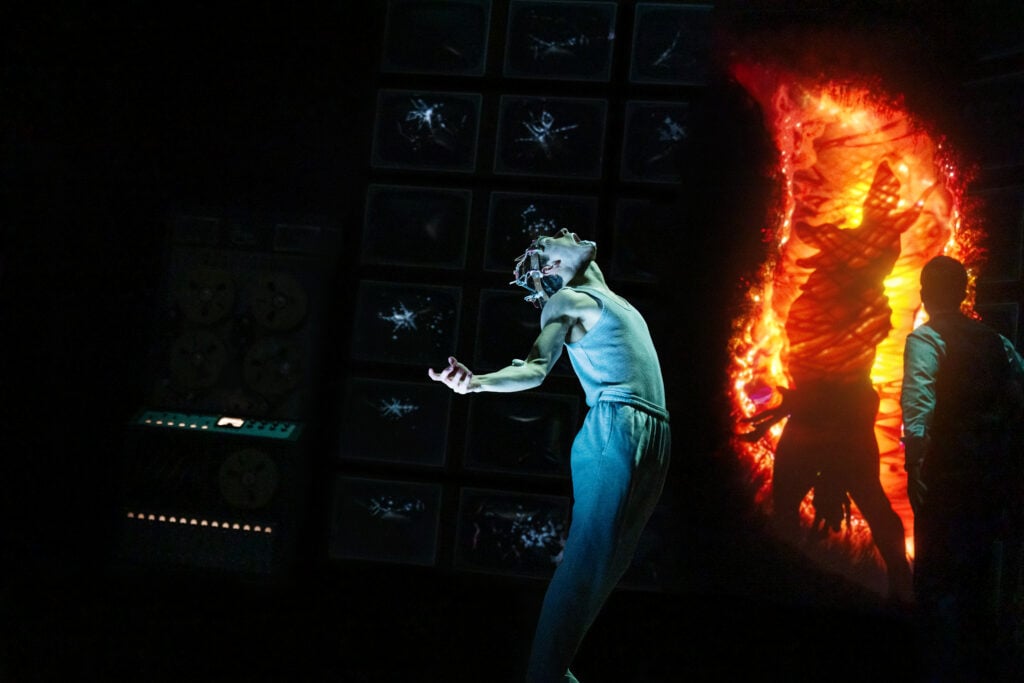
The official content notes should be read alongside the visual promise. Broadway Direct lists loud noises, gunfire audio, explosions, haze or smoke, flashing lights and strobe effects, strong language, and depictions of mental health conditions. For a sensitive viewer, these are meaningful planning details. The show’s recommended age guidance and the full content notes belong in the same decision, especially when arranging a family or group outing.
That is where the production’s brand positioning feels clearest: familiar story world, live theatrical technique. It gives long-time viewers an expanded corner of the mythology and gives theatre audiences a design-led reason to look closer. Readers who prefer quieter drama or who know that flashing light or sudden sound is unsuitable for them should use the content information as a serious filter rather than an afterthought.
The booking range supports different kinds of visit
Broadway Direct identifies itself as the primary ticketing provider and puts the calendar, show information and booking path on the official page. For a small party with a fixed night in mind, standard performance tickets connect date selection with available seats. Compare the live options on the calendar.
A larger party has a separate route. The group ticket page is designed for coordinated bookings and gives organisers a place to ask about availability, date choices and seating arrangements. Group booking is relevant to school visits, celebrations, colleagues or friends planning together. Because group terms and availability can differ from ordinary checkout, organisers should ask the group team rather than assume the same selection process applies.
For either route, a sensible planning sequence is:
- Choose a performance window that fits the wider New York itinerary.
- Use the current calendar to compare dates and available seating.
- For a larger party, start with the group booking route before promising everyone a specific performance.
- Read the theatre access details and the play’s content guidance with your party in mind.
- Recheck the live page for booking terms and any changes before confirming plans.
This keeps the show at the centre without treating a ticket as the whole evening. The current ticket calendar helps with availability; runtime, content and theatre information help decide whether the production and venue fit the party.
A brand page cannot decide which performance fits a visitor’s transport or other plans, and a seat listing cannot tell every reader how a view will feel. If access is a priority, contact the theatre or ticketing team about specific requirements before booking.
The Marquis Theatre makes the visit a Midtown evening
The production plays at the Marquis Theatre, inside the New York Marriott Marquis in the Times Square area. That location can simplify an evening plan for visitors already staying in Midtown or combining the performance with other Theatre District plans. Broadway Direct’s theatre page collects directions, public transport, seating and accessibility information in one place.
The production runs about two hours and forty-five minutes, including an intermission. Allow time to reach the theatre, pass entry checks and be seated before curtain. Late seating is at the venue’s discretion, so punctuality matters.
Access information deserves its own look. The Marquis page describes accessible seating and services, while noting that some seating areas involve stairs. People who need a particular arrangement should check current availability and ask the theatre for guidance. For a party with different mobility needs, confirming these details before choosing a performance can prevent avoidable uncertainty later.
Use the Marquis Theatre information page alongside the booking calendar: one covers location and access, the other dates and seats. Together they make Broadway Direct a useful planning source for this show.
- Story fit: decide whether a 1959 prequel and supernatural mystery suit the group.
- Effects fit: review the listed sound, light and content notes.
- Booking fit: use standard selection for an individual party or ask about group arrangements for a larger one.
- Venue fit: check directions and access needs at the Marquis before settling the evening.
Do I need to watch the series first?
The play is a prequel set in 1959 and follows its own central story. Familiarity with the series adds context, but the official synopsis is a useful starting point for judging whether the premise appeals.
What should I know about the production’s effects?
Broadway Direct lists loud sounds, gunfire audio, explosions, haze or smoke, flashing and strobe lighting, strong language, and depictions of mental health conditions. Check the complete content notes if anyone in your party may be affected by these elements.
Can a larger party use a separate booking route?
Yes. Broadway Direct provides a dedicated group sales route for parties planning together. Contact the group team for current availability and arrangements, since group booking can involve different terms from individual seat selection.
Wrapping up
Stranger Things: The First Shadow on Broadway has a clear identity: it takes a familiar world back to 1959, centres its story on Henry and Patty, and uses live design and illusion to make the stage itself part of the experience. For a newcomer, that combination is the strongest reason to care. It offers more than a set of references, while still giving franchise followers a new angle on Hawkins.
We recommend considering it if a period mystery and technically ambitious theatre suit your group, then using Broadway Direct’s official pages to compare available performances, standard or group booking, content notes and venue access. The honest limitation is that effects-heavy material and live availability will not suit every visitor or schedule. Check those details against your own plans before committing.