
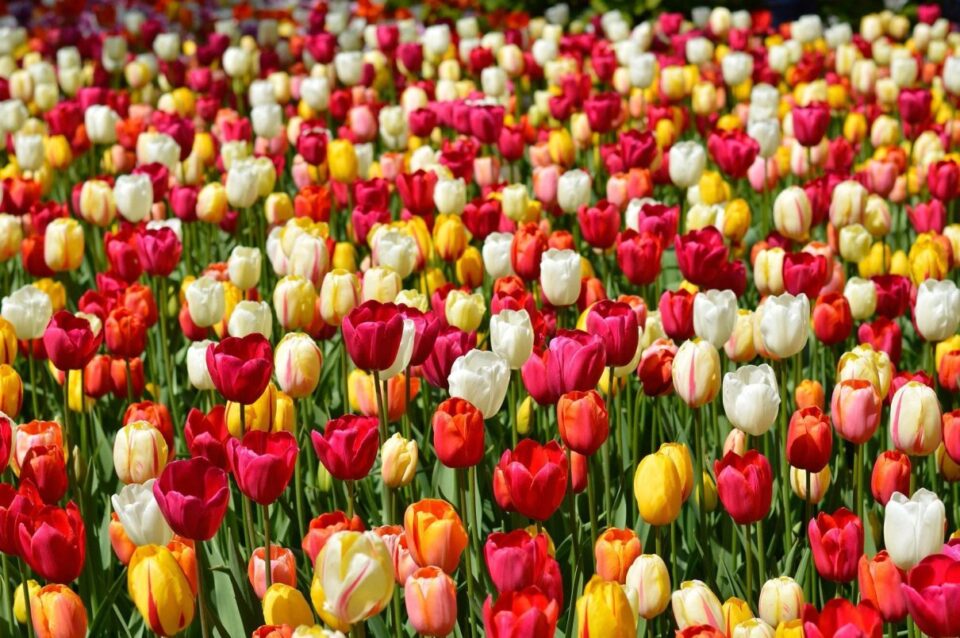
A research-led look at DutchGrown’s UK range, the value of its plant details and the practical checks to make before ordering.
Choosing plants online depends on more than a good photograph. Gardeners need to know whether a plant suits the light and soil they have, when it flowers, and how it arrives. We reviewed the UK pages at DutchGrown™ to see how well their product information helps answer those questions.
The catalogue covers flower bulbs and hardy perennials, including named varieties with specific growing notes. That makes it useful for planning a border, though seasonal supply and exact growing conditions still matter. We based this review on the store’s published product information, not on purchases or growing trials.
Disclosure: this post includes affiliate links, and we may be paid a commission on purchases made through them.
Highlights
- DutchGrown™ covers flower bulbs and hardy perennials, with product pages that often specify planting conditions and seasonal timing.
- Trollius Orange Crest suits damp borders and pond edges, provided its soil stays consistently moist.
- Spigelia Little Redhead offers a compact shade-tolerant perennial, while Fritillaria Early Fantasy needs autumn planting.
- The listings help with plant selection, but current stock, supply form and dispatch details still need checking on each page.
The main strength is useful plant-level detail across quite different garden needs. The trade-off is familiar to any seasonal online nursery: advice on a listing cannot tell you whether your own soil drains well, and availability can change as a planting window approaches.
DutchGrown’s UK range supports planned planting
The store brings bulbs and perennial plants together, so browsing can start with a colour, flowering season or garden position rather than a single plant family. In the pages reviewed here, entries identify plant type, approximate dimensions, light preference, soil and flowering period. Those details make a named listing more useful than a bare catalogue thumbnail.
That structure works particularly well for gardeners planning a sequence of interest. The DutchGrown™ selection lets readers move between bulbs and perennials. A spring bulb can be considered alongside a perennial that carries colour later in the year, and the stated supply form gives a clue about the work involved after delivery. Browse the DutchGrown™ range by plant and then verify the individual listing; a range-wide description cannot substitute for its own planting instructions.
- Start with the conditions already present: sun, shade, soil moisture and available depth.
- Use flowering period and mature height to decide where a plant belongs in a sequence.
- Check whether the listing describes a bulb, bare-root plant or another supply form.
- Revisit stock and dispatch notes before making a seasonal plan final.
This is a practical catalogue for considered selection, not instant gardening. The plant listings reward readers who plan ahead. The UK bulb selection can be reviewed alongside perennial options. Many entries describe plants that need planting at a particular part of the year and time to establish before they make the display shown in a listing.
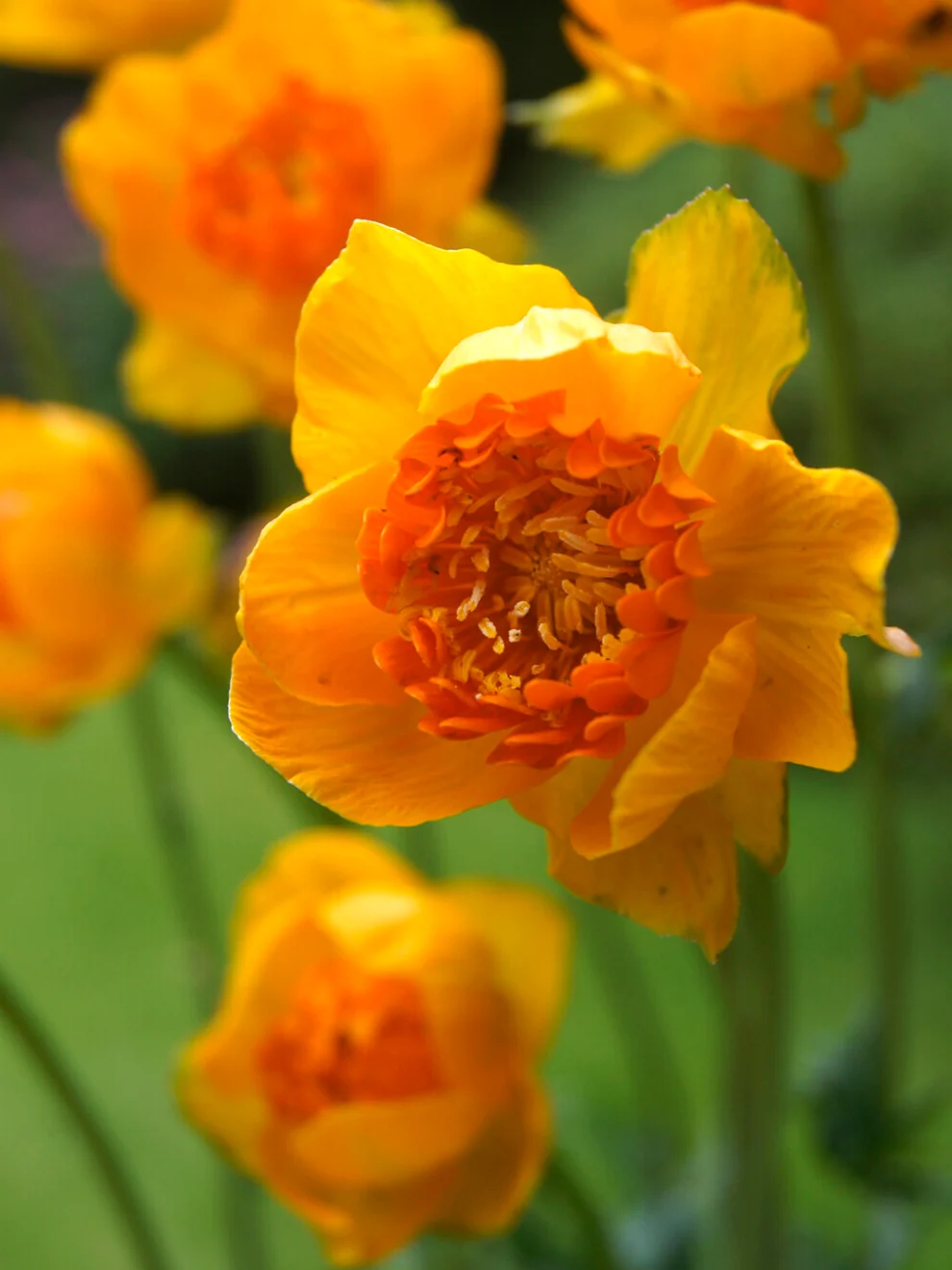
Orange Crest rewards gardeners with reliably moist soil
Trollius Orange Crest is a helpful example of the catalogue’s specificity. DutchGrown™ describes vivid yellow-orange, cup-shaped blooms with a tangerine centre, carried above divided dark green foliage. It lists a compact height of around 45 to 60 cm and a spread of about 30 to 45 cm, placing it within reach for a smaller border or pond edge. See the Orange Crest listing for its full growing notes.
The page also makes the plant’s conditions clear: full sun to partial shade and soil that remains consistently moist. The listing presents it as a hardy perennial flowering in late spring to early summer and says its flowers attract pollinators and can be cut for arrangements. This is useful detail for matching plant to site, and the named Orange Crest listing makes the central limitation equally visible: a dry border is a poor fit unless the gardener can maintain moisture. The Orange Crest growing notes spell out that moisture requirement.
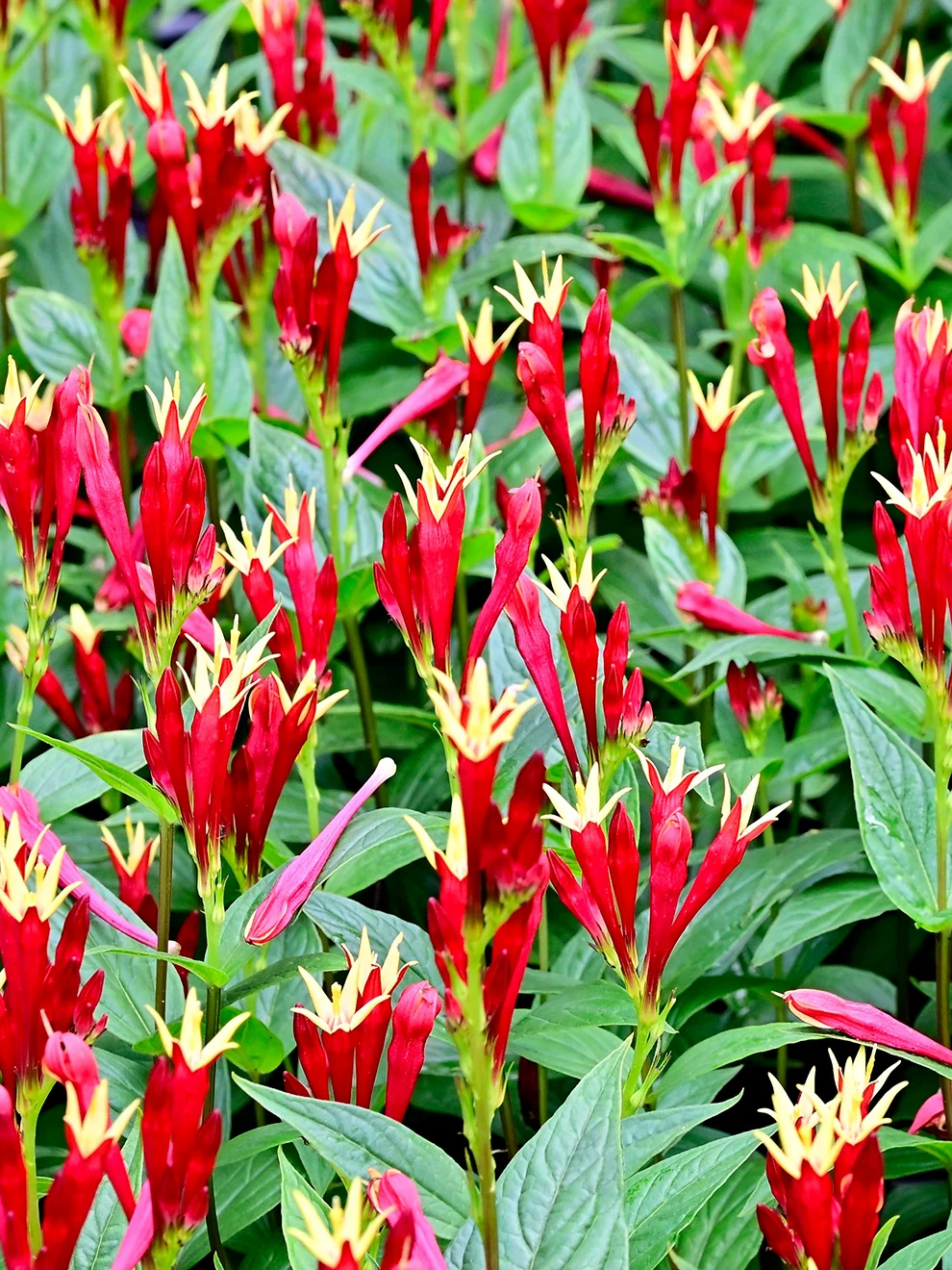
Little Redhead gives shaded borders a compact colour option
Spigelia marilandica Little Redhead takes a different role. Its tubular red flowers open to yellow tips, and the page describes an upright clump suited to mixed borders and woodland-style planting. The listed dimensions, around 60 to 70 cm high and 50 to 60 cm wide, help readers judge the footprint before ordering.
It is described as suitable for sun or partial shade, in fertile, moisture-retentive but well-drained soil, with flowers from late spring into mid-summer. The listing is a good illustration of how a product page can help translate a visual preference into a site decision. Review the Little Redhead page for the variety’s growing notes. Readers can inspect the Little Redhead plant details against their own conditions rather than relying on the flower colour alone.
There is still a limit to what a listing can establish. It gives the seller’s growing guidance, but cannot account for a particularly exposed garden, local drainage or the care a new planting will need through a dry spell. For a reader with partial shade and suitable soil, the fit looks promising on paper; for a very dry or hot position, more investigation is sensible.
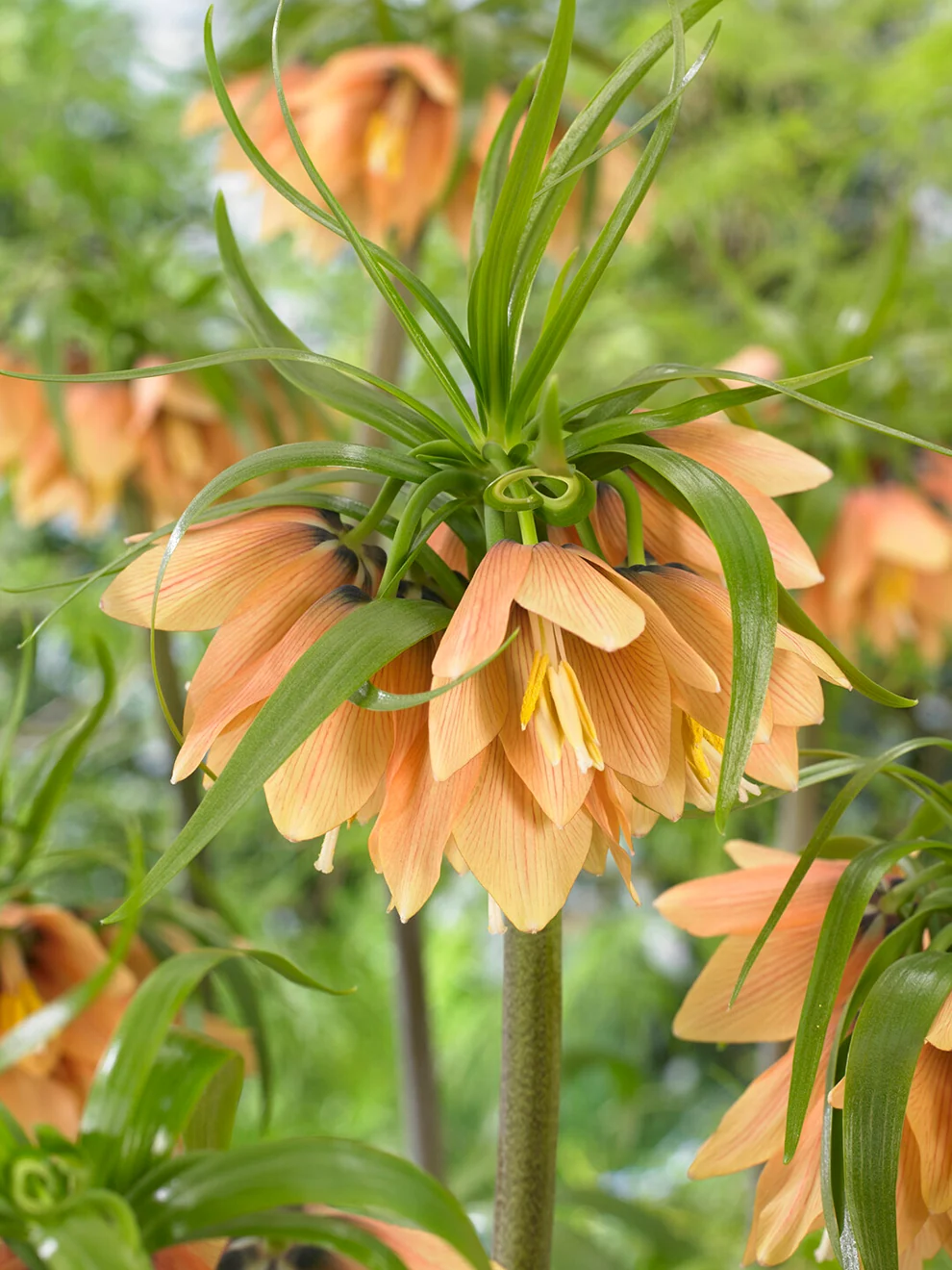
Early Fantasy makes timing part of the buying decision
Fritillaria Early Fantasy is a crown imperial bulb with hanging apricot and peach-pink bells beneath a leafy crown. The store says it flowers earlier than many crown imperials, in early to mid-spring, and can reach around 90 cm. That gives it a distinct role among lower bulbs, adding height and a soft colour contrast. The Early Fantasy page also sets out its height and season.
The instructions are concrete: plant in autumn in fertile, well-drained soil, set the bulb on its side to reduce water collecting in its hollow centre, and let foliage die back naturally after flowering. These details improve the listing’s practical value, but they also mean this choice suits someone planning ahead. Check the Early Fantasy bulb page for current supply and planting notes before building it into a schedule. The planting advice calls for autumn placement.
Across these three pages, clear growing conditions are the strongest evidence in the store’s favour. Readers can compare more DutchGrown™ varieties using the same site-specific criteria. The catalogue makes it possible to explore named plant options. Colour and flowering time make it easier to compare options, while details such as moisture needs, dimensions and bulb orientation support a more informed choice. The useful next step is to read each entry as a set of requirements, not simply as a promise of the pictured result.
A few checks make online plant selection more reliable
Before choosing, readers can use the product pages to make a shortlist and then test that shortlist against the actual garden. For example, a damp spot near a pond is a different brief from a sunny, free-draining bed. The product descriptions help narrow the field, but the gardener still has to make that match.
- Compare the stated soil and light preferences with the exact planting spot.
- Allow for the listed mature height and spread, not just the size of a young plant.
- Note whether the flowering season complements what is already in the garden.
- Confirm the supply form, current availability and dispatch information on the product page.
- For bulbs, read the planting depth, orientation and seasonal timing before ordering.
These checks matter because seasonal availability can shift, and a page may be updated as stock changes. Check the live DutchGrown™ catalogue again before ordering. For product-specific notes, revisit the relevant listing page. The strongest use of DutchGrown™ is as a researchable catalogue with actionable variety details. Readers should confirm the live listing and any delivery information before committing, especially when planning around a narrow planting window.

The store suits gardeners who plan around conditions
DutchGrown™ is most convincing for gardeners who enjoy choosing named varieties and are willing to plan planting around the calendar. Its listings can help a reader compare flower form, position and season, and the range spans bulbs and perennials rather than only one type of planting project. A gardener with a clear border plan can use that breadth productively.
It is a less natural fit for someone who wants an immediate finished display, needs personalised advice about a difficult site or has not checked what is currently available. Online descriptions are useful, but they are not a substitute for a site assessment. Read the store’s UK plant collection as a starting point, and browse the available plant range before revisiting the exact item pages for growing guidance and current order details.
The listings give useful detail, with checks left to the buyer
The pages we examined show both sides of the proposition: practical growing notes make selection easier, while a listing cannot assess a reader’s own garden or guarantee that a seasonal item remains available.
- Strength: named varieties come with useful details such as flowering season, dimensions, light and soil needs.
- Limit: buyers still need to confirm live stock, supply form, dispatch timing and fit for their own soil and position.
Common questions about ordering from DutchGrown
Does DutchGrown sell bulbs as well as perennials?
Yes. Its UK catalogue includes flower bulbs and hardy perennial plants. Supply form varies by product, so check the individual entry to see what is offered and when it is dispatched.
Can I use the listings to check whether a plant fits my garden?
Often, yes. Pages may state height, spread, flowering period, light and soil preferences. Use those details to shortlist suitable plants, then compare them with the conditions in your own garden.
What should I check before ordering a seasonal plant?
Confirm current availability, supply form, dispatch timing and planting instructions on the live product page. Seasonal stock and shipping details can change, and the right planting window depends on the specific product.
Wrapping up
Our review finds DutchGrown™ a useful UK source for gardeners who want named varieties and practical growing information before selecting bulbs or perennials. Pages such as Trollius Orange Crest and Spigelia Little Redhead show the range of planting needs. Fritillaria Early Fantasy adds a bulb option with its own seasonal instructions.
The limitation is that a detailed listing cannot guarantee current stock or tell you how a plant will perform in your specific soil. Recheck each DutchGrown™ product page before ordering. We recommend the store for gardeners who plan ahead and are ready to verify conditions, supply and timing on each product page.