
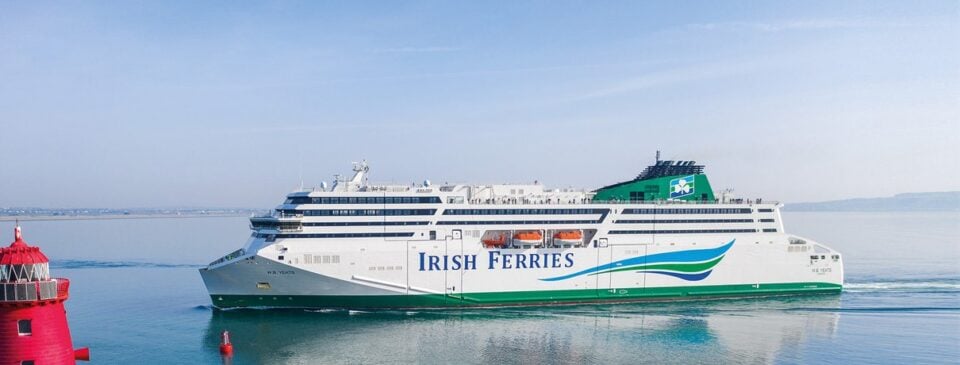
A first look at how Irish Ferries brings crossings, rail connections and French stays into one broader travel offer.
For a first-time reader, the useful question is not simply which ship sails where. It is how a crossing fits into a holiday: whether you want your own vehicle, would rather continue by train, or prefer to arrange part of the stay alongside transport. Irish Ferries spans those choices, so its story is best understood as a connected travel offer.
The company’s France pages bring together ferry routes, rail connections and holiday options. We have reviewed the brand’s published travel information, which makes the range clear while leaving practical details such as dates, availability and booking terms for travellers to confirm directly.
Disclosure: this post includes affiliate links, and we may be paid a commission on purchases made through them.
Highlights
- Dublin-Cherbourg aboard W. B. Yeats gives Ireland-France travellers a direct sea route.
- Ireland-France Sail & Rail combines a ferry crossing with onward rail travel.
- Eurocamp Holiday Parks and Parc Astérix breaks extend the range beyond transport.
- The best fit depends on departure point, vehicle plans and how much of the stay you want to arrange together.
Irish Ferries links the crossing to the shape of a trip
A ferry brand can be judged by its route map, but the more useful measure is how well that map serves different plans. The UK France pages present several starting points: a direct Ireland-France crossing, a route with rail as the onward connection, and holiday pages for travellers who want to consider accommodation or attractions at the same time.
That breadth is a meaningful feature of the Irish Ferries offer. A traveller taking a car has different priorities from someone building a rail itinerary; a family choosing an attraction stay asks different questions from a couple booking a campsite. The company’s information architecture makes those paths visible, although each still needs its own planning.
- Start with departure: check which port and route align with where you will be.
- Decide on a vehicle: driving changes what you carry and how you continue after arrival.
- Choose your connection: a train-based itinerary has handovers to manage.
- Then consider the stay: bundled holiday pages can simplify browsing but may narrow the choices.
For readers who want to explore each component, the Dublin-Cherbourg route is the most direct Ireland-France starting point, while the Sail & Rail option introduces a train connection. Both are examples of the same brand idea: transport choices should be considered in relation to the rest of the itinerary. Compare the direct route information with the rail connection details when deciding how to continue.

W. B. Yeats makes the sea leg part of the experience
The W. B. Yeats is central to the Dublin-Cherbourg story. The route page describes a direct crossing, and the ship’s published material points to an onboard experience shaped by accommodation, public areas and food service. That matters because a sea journey can occupy a substantial portion of a trip; a cabin or a quiet place to sit may affect the rhythm of the travel day.
The vessel’s spaces give readers concrete things to compare against their own needs. See the ship and route page for the current description of the crossing. A family may value room to pause between activities; a couple may care more about a comfortable lounge and a meal option; a passenger with an overnight crossing in the plan may prioritise a cabin. The ship pages describe facilities, but availability and the specific configuration depend on the sailing and booking chosen.
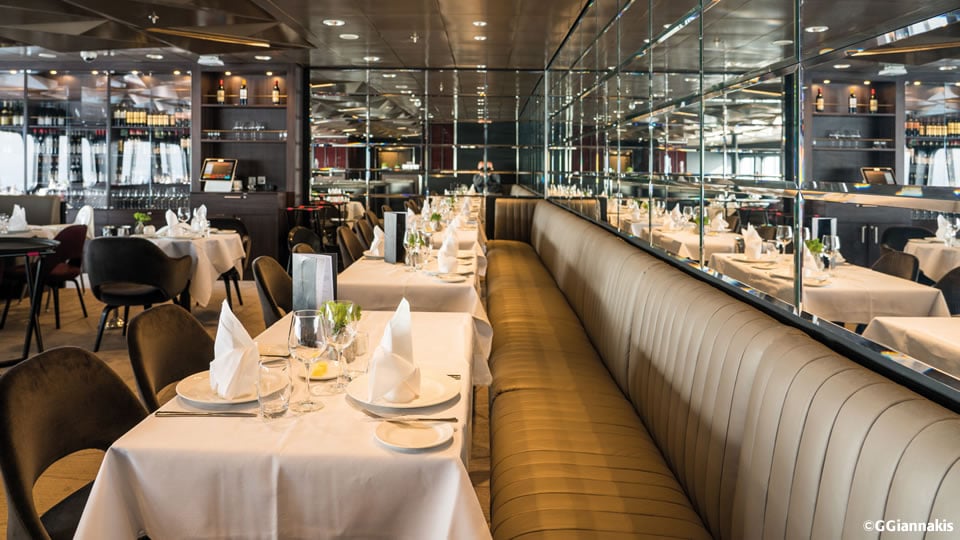
Dining is another part of the onboard offer. Published images show Cafe Lafayette and Boylans Brasserie, as well as the Maud Gonne bar. These are useful markers of variety rather than a promise that every outlet or menu will suit every traveller. The practical takeaway is to look at the ship’s current facilities before departure, especially when food, mobility or seating preferences matter. The Dublin-Cherbourg information is the place to begin that check.
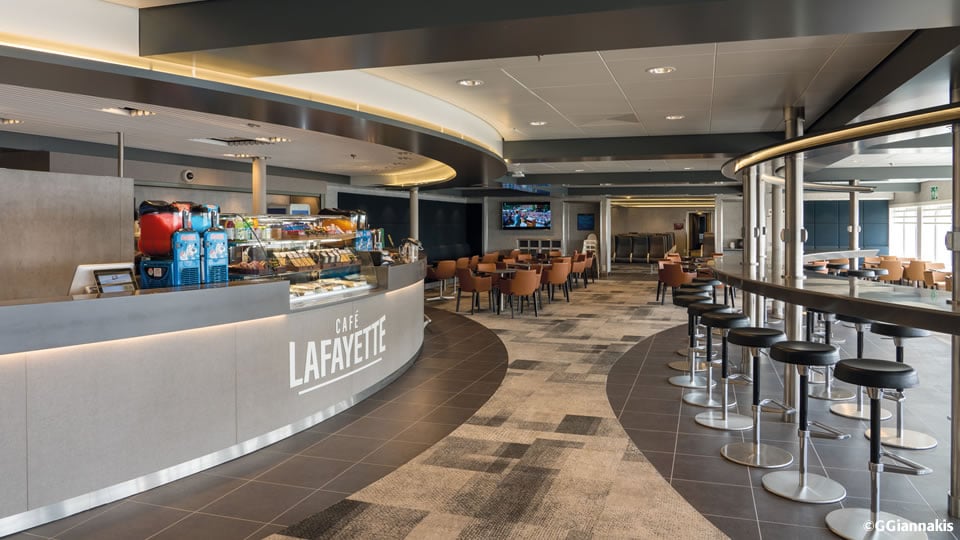
For the reader assessing the route, compare the onboard element with the journey as a whole: time at the port, check-in requirements, the crossing, arrival, and onward driving or rail. Irish Ferries provides route and ship information, but travellers remain responsible for joining those pieces into a workable schedule. Start with the W. B. Yeats route details and review the published crossing information before choosing dates.
Sail & Rail gives car-free plans another route
Ireland-France Sail & Rail is a distinct product in the range because it connects the ferry leg to onward train travel. It can suit someone who wants to reduce driving or does not plan to take a car. It also changes the work involved: instead of one continuous drive, the traveller needs to coordinate the sailing, port transfer and train departure.
This is where brand-level context helps. Irish Ferries is not only selling passage across the water; it presents the crossing as one part of a larger journey. The rail connection may make some itineraries more practical, but it does not remove the need to check transfer times, station access, ticket conditions or what happens if one leg is delayed.
- Check the sequence of ferry and train legs before committing.
- Leave enough time for the port-to-station connection.
- Read the applicable booking and change conditions for each element.
- Consider luggage, accessibility and the needs of everyone travelling.
Readers can use the Ireland-France Sail & Rail page to see how the brand presents the connection. We would treat it as a route framework, then verify the schedule and transfer steps for the actual dates. This makes the offer most relevant to rail-oriented travellers who are comfortable managing a multi-part journey. Review its published Sail & Rail details alongside the ferry route page.
French stays extend the brand beyond transport
Holiday pages broaden the picture further. Eurocamp Holiday Parks connects ferry planning with campsite accommodation, while Parc Astérix breaks appeal to travellers who want an attraction to anchor their visit. These are different kinds of trip: one makes the park stay itself part of the holiday, while the other places a theme park at the centre.
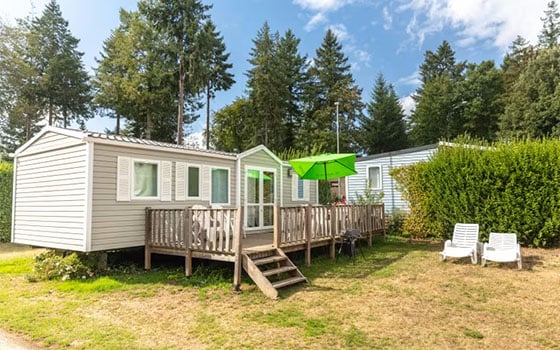
A campsite option may suit families or groups who value shared facilities and a destination-led stay, but the type of accommodation, amenities and location differ by park. The Eurocamp Holiday Parks range is therefore best approached as a set of individual destinations rather than one uniform product. Check the specific park details and the ferry arrangements that accompany any offer. The park information page can help narrow the destination choice.

By contrast, a Parc Astérix break centres the attraction, with associated accommodation options described on the page. This can reduce the number of separate decisions for a park-focused visit, though families should still check what the package includes, how transport is arranged and whether the dates fit their plans. Read the current attraction stay details before settling on it. Travellers who prefer full independence may want to compare the offer with separately arranged stays.
The range is a strength for people who like to build a holiday around one provider’s route and destination information. Its limit is that breadth does not guarantee every combination is available or ideal. A bundled page helps with discovery; it does not replace checking inclusions, timings, cancellation terms and local transport for the particular booking.
The offer suits travellers who plan the whole journey
For a first-time customer, Irish Ferries is most relevant when the sea crossing is a deliberate part of the travel plan. Drivers can focus on routes and vehicle arrangements; rail travellers can assess the Sail & Rail connection; holidaymakers can explore parks or attraction stays. It is less immediately useful to someone who has not yet settled their departure point or knows they need a different transport mode.
There is also a practical trade-off in choosing a connected offer. Keeping transport and a stay in one browsing journey can make options easier to find, but it may narrow flexibility and requires close reading of what is included. Compare the standalone crossing with any holiday option, then decide whether the convenience is worth the constraints for your dates and group.
- Choose the route first if the port or travel time drives your decision.
- Choose the ship experience if onboard space and accommodation affect comfort.
- Choose rail if avoiding a long drive matters more than a simple door-to-door journey.
- Choose a stay-led option when a holiday park or attraction is the main reason for travelling.
Before booking, follow the relevant route details, rail information, park descriptions or attraction-stay details and confirm current terms. The pages are helpful for comparing the shape of an offer; only the booking details establish what applies to the trip you are arranging.
Questions first-time Irish Ferries travellers ask
Does Irish Ferries offer a direct Ireland-France crossing?
Its UK route pages list Dublin-Cherbourg, including sailings aboard W. B. Yeats. Check the route page for schedules and the current booking conditions for your intended travel dates.
Can I travel without taking a car?
Ireland-France Sail & Rail is the relevant option to investigate if you want to connect a ferry with onward train travel. Review the transfer arrangements and applicable train details before choosing it.
Are holiday stays part of the same range?
Yes. The France pages include options such as Eurocamp Holiday Parks and Parc Astérix breaks. Their accommodation and inclusions differ, so read the individual offer and verify what is covered.
Wrapping up
Irish Ferries is worth exploring for travellers who want to connect a sea crossing with an onward route or a France stay. The brand’s range makes it easier to see several trip shapes together, from W. B. Yeats and Sail & Rail to holiday parks and attraction-led breaks. Our recommendation is to start with your departure point and transport needs, then compare the relevant destination pages.
The main limitation is that a broad range leaves meaningful planning with you: schedules, transfers, inclusions and booking terms vary. Check the details for your exact itinerary before making a decision.