
Compare the direct car crossing, Sail & Rail and bundled park stays to see which Irish Ferries France option suits your starting point and the holiday you want.
Choosing a ferry to France is partly a question of where you begin, but the bigger decision is how you want to travel once you land. A car gives a road trip flexibility; a train-based itinerary can remove driving; a holiday package can bring the crossing and accommodation into one plan.
We compared the options listed by Irish Ferries for the UK store. The right pick depends on the route and the amount of organising you are happy to do, so we focus on the practical trade-offs rather than a universal winner.
Disclosure: this post includes affiliate links, and we may be paid a commission on purchases made through them.
Highlights
- Dublin-Cherbourg is the clearest fit for an Ireland-based road trip with a car.
- Sail & Rail pairs a ferry journey with onward train travel for car-free itineraries.
- Dover-Calais suits travellers already starting in Britain and wanting a short Channel crossing.
- Eurocamp Holiday Parks add accommodation planning, with more choices to coordinate.
- Compare dates, vehicle needs, accommodation and onward travel before deciding what offers the best overall fit.
Dublin-Cherbourg keeps an Ireland road trip direct
For a trip that starts in Ireland, the Dublin-Cherbourg route is the most straightforward option to assess first. It carries you and your vehicle from Ireland to Normandy, so your own car can continue the journey after disembarkation. The Dublin-Cherbourg route page sets out the route and sailing information; timings and availability depend on the dates selected.
That continuity is the main advantage: luggage, child seats and holiday gear can stay with the vehicle, and a multi-stop itinerary does not need to fit train connections. Check the route details route details alongside the sailing calendar before building the rest of the drive. Driving is also the main commitment. You need to plan for road time after arrival, parking, fuel and the vehicle details requested during booking.

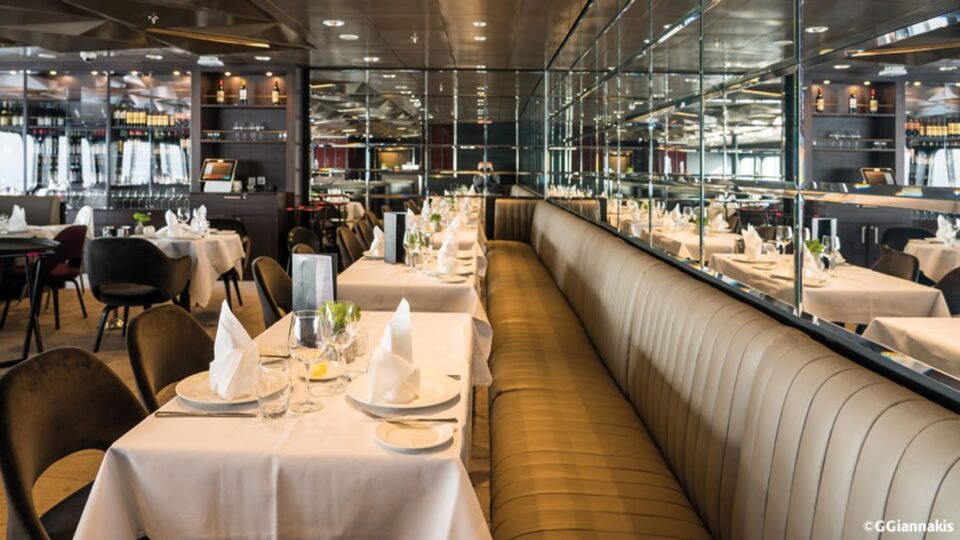
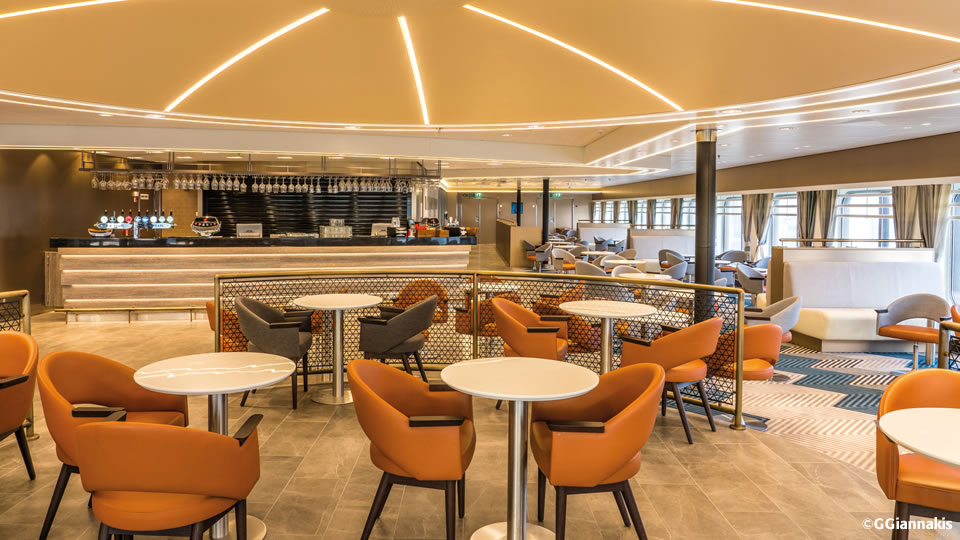
On board, W. B. Yeats is associated with the Dublin-Cherbourg crossing. The ship page describes cabins and onboard spaces, which may matter on a longer sailing or for an overnight departure. A cabin adds private rest space; it is an optional trip choice rather than a requirement for every traveller. Review W. B. Yeats the ship information and sailing details together so the onboard plan matches the crossing you are considering.
Dover-Calais fits Britain-first itineraries
If your holiday already begins in Britain, Dover-Calais avoids routing through Ireland. It is the natural comparison for travellers near southeast England who want to take a car across the Channel and continue by road. The dedicated Dover-Calais route page is the place to check sailing schedules and current booking choices.
The trade-off is geography. Travellers coming from elsewhere in Britain should include the drive to Dover in their calculation, while those whose plans begin in Ireland may find Dublin-Cherbourg simpler. A crossing that looks short on a map does not account for getting to the port, check-in requirements, or the drive beyond Calais. Allow for each leg rather than comparing sea time alone.
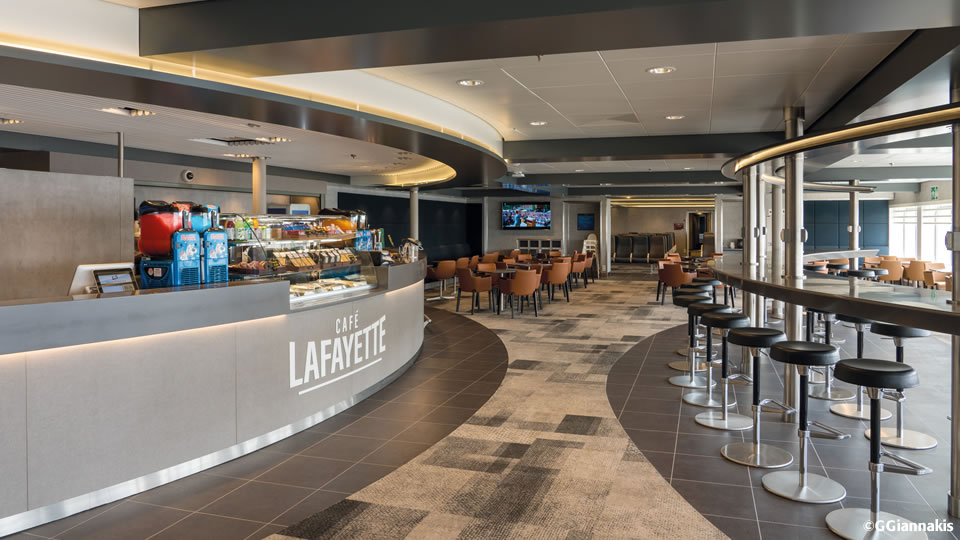
Different routes also mean different ship and onboard details, so avoid assuming every crossing has identical facilities. Check the the route listing route listing for the sailing you need and read the booking information for vehicle dimensions, passenger details and check-in timing. Those practical details affect whether the route works for a tightly planned arrival day.
Sail & Rail removes the need to drive
Sail & Rail is the clearest alternative for travellers who would rather not take a car. Irish Ferries presents it as a combined ferry and rail journey, which can simplify the first connection from Ireland into the wider train network. See Sail & Rail the Sail & Rail page for the journey structure and current booking conditions.
The strength is avoiding a long drive and the parking decisions that come with it. The compromise is relying on public transport for onward movement. Check the station pairings, connection times, luggage arrangements and whether your intended destination is convenient by rail. For countryside stays or a multi-stop family itinerary, a car may still be more useful once you arrive.
Compared with a separate ferry booking, an integrated option may make the journey easier to coordinate, but it does not remove the need to check each leg. Look at the journey details the route details before committing to accommodation or timed activities. Rail service patterns can vary by travel date, and the best arrangement depends on where you are heading after the crossing.
Eurocamp makes accommodation part of the choice
Eurocamp Holiday Parks combine a French stay with ferry planning through the holidays section. That can appeal to families and groups who want a base with facilities rather than moving between hotels. The park listings give travellers several locations and styles to compare; check Eurocamp Holiday Parks the current selection for destinations and what each stay includes.
A park-based holiday is less flexible than choosing a crossing alone. You will need to align the stay dates with the crossing and decide how much time to spend at the park versus exploring elsewhere. Location matters: a convenient base for one region may add driving to another. Treat the accommodation, ferry and onward route as one itinerary when comparing the total effort and cost drivers.
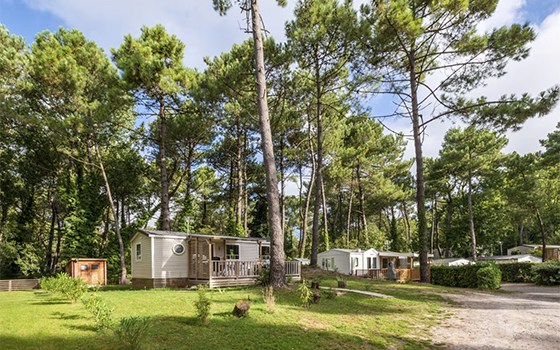
Some parks highlight pools, activities or family facilities, while others may suit a quieter location. Those differences are more useful than choosing by a broad label like “family friendly.” Review the park information the individual park details for its setting, accommodation type and available facilities, then compare them with the places you actually want to visit. Availability and inclusions can vary by selection.
- Start with your departure point and whether you need a car in France.
- Match sailing dates to train connections or accommodation check-in.
- Check the vehicle, passenger and luggage requirements for your chosen booking.
- Compare the full itinerary, including the drive or train journey after arrival.
The main differences are route, transport and stay
| Option | Best fit | Main trade-off |
|---|---|---|
| Dublin-Cherbourg | Ireland-based drivers | Road travel after arrival |
| Dover-Calais | Britain-first drivers | Getting to Dover |
| Sail & Rail | Car-free itineraries | Train connections shape plans |
| Eurocamp Holiday Parks | Travellers wanting a planned base | Less flexible dates and location |
Use the table as a starting point, then compare the detailed Dublin-Cherbourg and Sail & Rail listings for your travel dates. Route choice is strongest when the port works naturally with your departure point; a package choice is strongest when its accommodation location matches the holiday itself.
For a self-drive holiday leaving Ireland, Dublin-Cherbourg wins because it keeps the ferry and road trip connected. For someone starting in Britain, Dover-Calais wins when Dover is convenient and the plan continues by car. For a car-free trip, Sail & Rail wins if train stations and connections suit the destination. For a family wanting a fixed base, Eurocamp wins when the park location and facilities fit the itinerary.
For an Ireland departure, revisit the Dublin-Cherbourg route; from Britain, compare Dover-Calais with your drive to port. Car-free travellers can review Sail & Rail, while a fixed stay makes Eurocamp Holiday Parks relevant. These links go to the matching UK-region option pages.
There is no single option that is automatically cheapest or easiest. The cost drivers include travel dates, vehicle size, cabin choices, passenger numbers and whether accommodation is included. Check the current booking flow for your own dates and compare like with like. A ferry-only journey and a stay package solve different problems, even when both start with a crossing.
Before booking, read Irish Ferries route information the route information, confirm how you will get from the port to the first stop, and consider what flexibility matters most. Travellers with a fixed itinerary may appreciate a package; those who want to decide each night as they go may prefer to arrange their own accommodation around a crossing.
- Choose the departure port that makes sense from home.
- Decide whether a car is essential for the French portion.
- Check how the arrival time fits onward travel or accommodation.
- Review booking terms and current availability before finalising the trip.
Questions travellers ask about France options
Which Irish Ferries option is best without a car?
Sail & Rail is the most relevant option to compare because it pairs ferry travel with onward trains. Check that the station connections and final destination work for your plans.
Is Dover-Calais the better route for every UK traveller?
No. It is most compelling when Dover is a practical departure point. Travellers starting in Ireland or far from southeast England should include the overland journey to port when comparing routes.
What should I compare in a ferry and park package?
Compare the park location, accommodation type, facilities, crossing dates and onward driving. Confirm exactly what is included for the selected dates before booking.
Wrapping up
Irish Ferries offers distinct ways to reach and plan a France trip: direct self-drive crossings, a ferry-and-train combination and holiday stays that bring accommodation into the decision. Our winner by use case is Dublin-Cherbourg for Ireland-based road trips, Dover-Calais for Britain-first drivers, Sail & Rail for car-free travellers and Eurocamp for those wanting a planned park base.
The limitation is that each option asks for different planning, and none removes the need to check dates, connections and booking conditions. Compare the current details against your route and the holiday you want before choosing.