
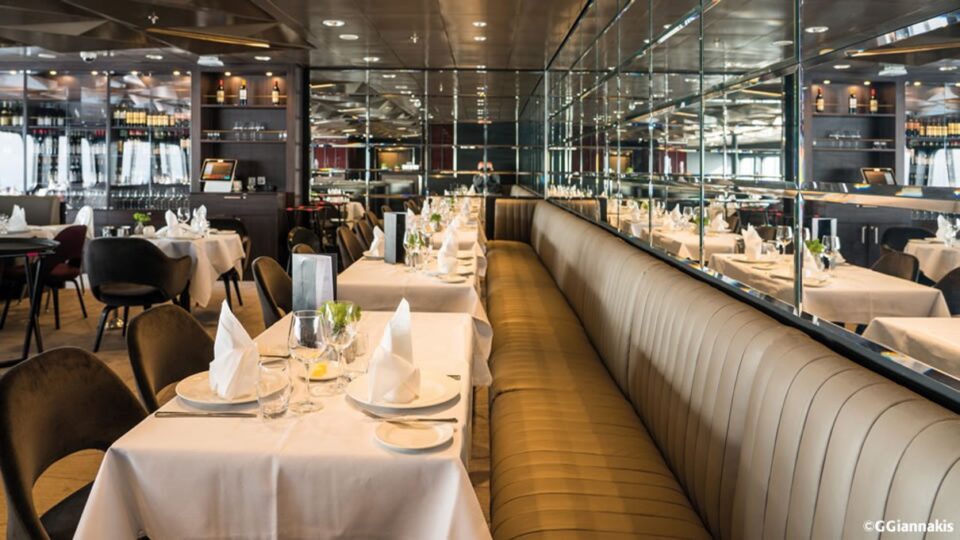
Use your starting point, vehicle plans and preferred stay to choose an Irish Ferries route to France and map the next decisions.
Planning a France trip by ferry starts with a route question: where will you begin, and do you want your car for the rest of the journey? On the UK-English Irish Ferries France pages, the main choices include two car ferry routes, a foot-passenger rail option and holiday park packages.
We reviewed the route and holiday information on the brand’s UK store. The useful comparison is about the shape of the trip: crossing point, ground transport and whether you prefer to arrange accommodation separately.
Disclosure: this post includes affiliate links, and we may be paid a commission on purchases made through them.
Highlights
- Dover-Calais suits trips that begin in Britain and continue by car.
- Dublin-Cherbourg links Ireland with France for travellers taking a vehicle.
- Ireland-France Sail & Rail is a foot-passenger option with onward train planning to do.
- Eurocamp Holiday Parks connects ferry planning with a French park stay.
Start with the place you will leave from
Write down the first overnight stop and the final destination before looking at sailing times. If you are already in Britain, Dover-Calais keeps the crossing near the south-east, which can fit a drive into France. If the trip begins in Ireland, Dublin-Cherbourg connects the island with Normandy and lets you take a vehicle across.
These routes solve different geography problems, so compare the whole journey rather than only time at sea. Include your drive to the port, the arrival-side distance to the first stop, and whether the route creates a tiring late arrival. The Dublin-Cherbourg route details and Dover-Calais crossing information are useful starting points for matching the port to the itinerary.
- Mark your home or first night on a map.
- Pin the port and first destination in France.
- Compare the complete drive on both sides of the crossing.
- Choose the route that makes the full day workable, not just the sailing.
Use the published sailing information to check which departure pattern is available for your dates. Schedules can vary, and the itinerary page is the place to confirm current details before you commit to accommodation or onward plans.
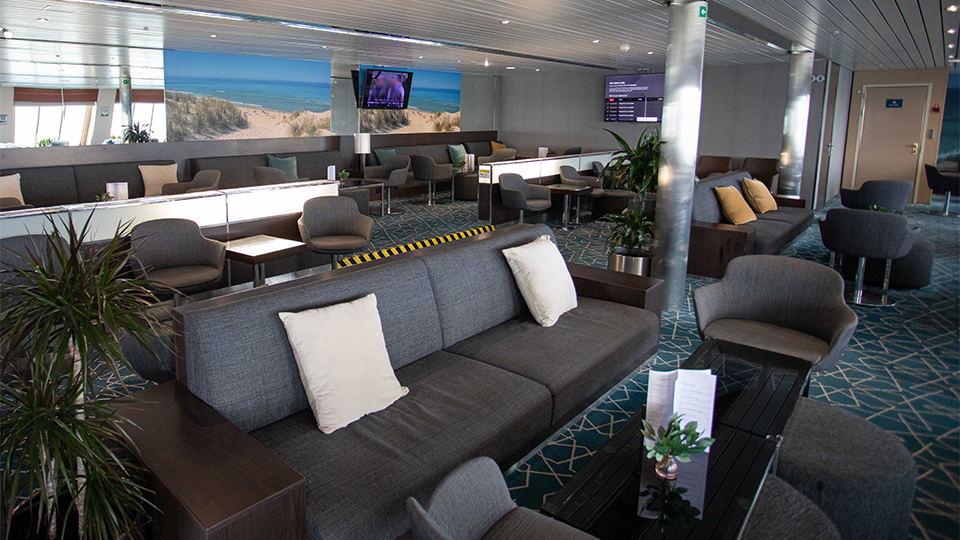
Decide whether the car belongs in the trip
A vehicle makes luggage and regional travel easier to manage, but it also shapes port access, driving time and parking at your destination. The Dublin-Cherbourg route is the Ireland-to-France car option in the store’s route range; Dover-Calais can suit a Britain-based drive. Check the booking details for vehicle dimensions, passenger information and any requirements that apply to your party.
If you want to travel without a car, the brand also presents Ireland-France Sail & Rail. The ferry is one leg of a wider trip: you will need to understand how the train connection works, which stations your itinerary uses and how much transfer time to allow. Treat the rail part as an additional booking and planning task, and verify the current connection guidance on the offer page.
- Take a car if your French plans cover several places or rural stops.
- Go on foot if rail connections serve both ends of your trip and you can travel with manageable luggage.
- Plan transfers if your arrival time and train departure do not line up neatly.
A route decision is also a daily-energy decision. Count the driving before and after the ferry, not only the crossing, and avoid building a tight onward connection around an arrival time that may change. The Sail & Rail information gives foot passengers a route to assess, while the car ferry details help vehicle travellers plan around their own wheels.
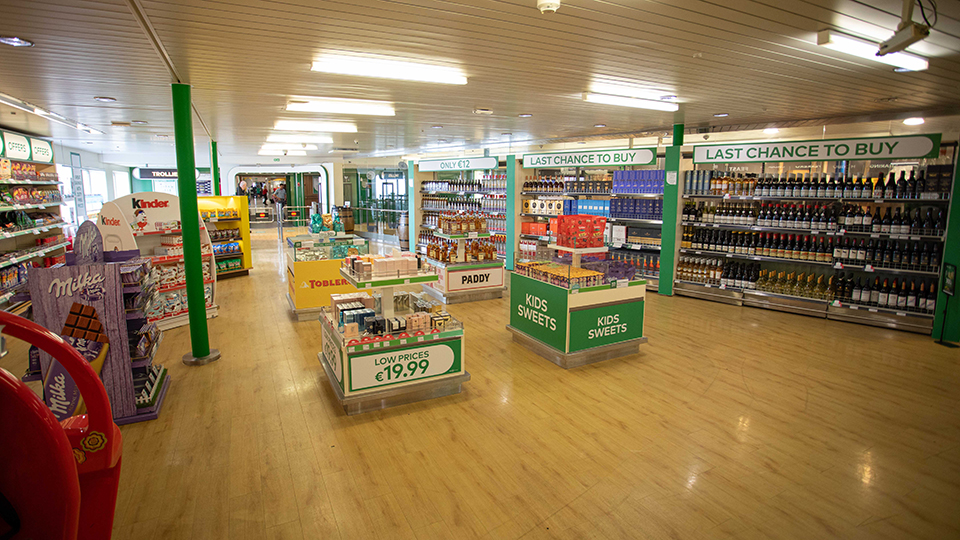
Choose how much of the stay to arrange together
Accommodation is the next planning fork. Booking it separately gives you freedom to choose hotels, rentals or several stops. The Eurocamp Holiday Parks option brings a French park stay into the ferry planning, which can simplify a family holiday centred on one base. Check the package page to see what is included for your selected dates and park, and what remains a separate decision.
Make a short list before choosing a park: preferred region, travel distance after landing, accommodation format, facilities that matter to your group and how many nights you want in one place. Eurocamp is a more natural fit when a park-based holiday is the plan; it may be less suitable when you want a city itinerary or a series of independently chosen stays.

Compare the package with the separate-booking route on the same basis. Note the crossing and stay dates, accommodation type and any transport required after the port. A bundled arrangement can make the trip easier to coordinate, while separate reservations can offer more control over location and pace. The Eurocamp park listing is the specific place to explore available stays; the Dublin crossing page or Dover route page helps you compare the crossing leg.
Build a schedule with room for the real journey
Ferry planning is more than picking an outbound and return date. Allow time for the drive to the port, check-in instructions, arrival formalities, rest and the onward leg. If you are travelling with children, pets or mobility needs, look through the relevant service information early enough to request or reserve what applies. The route page for Dublin-Cherbourg provides the sailing context, and the Dover-Calais details let Britain-based travellers do the same.
For costs, compare the current booking totals rather than relying on old examples. The final amount may depend on travel dates, vehicle and passenger details, accommodation category and optional extras. We do not quote a fixed fare here because availability and booking selections can change. Check the current terms and total on the relevant Sail & Rail page, Eurocamp page or route page before deciding.
- Set the route and dates around your first and last nights.
- Decide whether you need a car for the French part.
- Choose a separate stay or explore a park package.
- Review the total, inclusions, booking conditions and practical requirements together.
- Save the confirmation and check travel documents and arrival arrangements before departure.
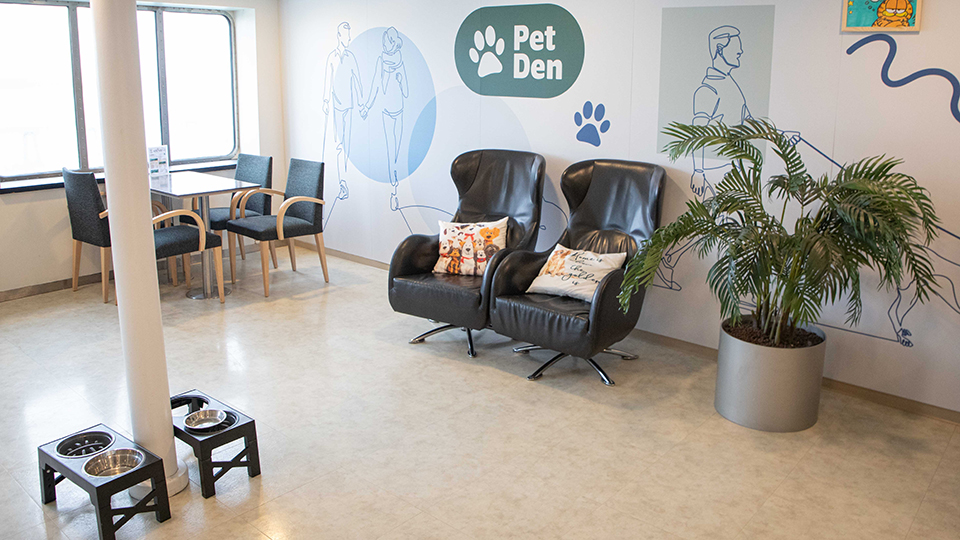
Onboard settings are useful context when the ferry itself will take a substantial part of the travel day. Check the ship and sailing information for the facilities relevant to your group.
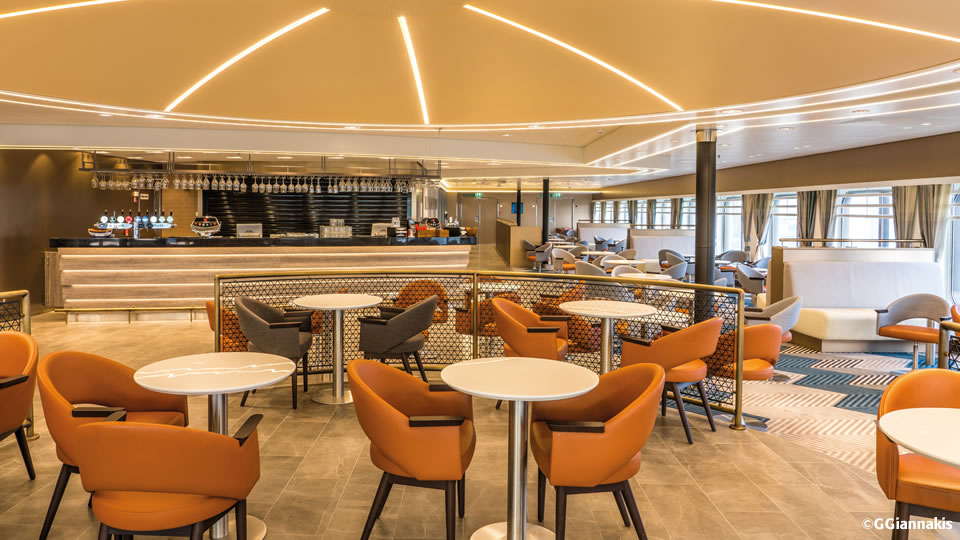
Leave a buffer around connections where possible. A ferry and rail itinerary has a transfer to manage, while a car trip gives flexibility but still needs realistic driving breaks. Read the latest departure guidance for your sailing and the current details for your chosen stay; assumptions from a previous trip or season may not apply.
Match the booking to the group travelling
The same crossing can feel different depending on who is travelling and what they need to bring. Families may value keeping familiar luggage and equipment in the car, while a couple on a rail-based break may prefer to avoid driving altogether. A group with different mobility or rest needs should check onboard facilities and service arrangements before selecting a sailing. These details help turn a route that looks convenient on a map into one that is comfortable for the people taking it.
Think through the crossing day as a sequence: travel to port, check-in, time on board, arrival and onward movement. If the first French night is far from the port, consider whether to stop en route rather than add a long drive after the ferry. For an itinerary based near one park, Eurocamp Holiday Parks can give the trip a clear destination; for a multi-stop holiday, a standalone stay may be easier to adapt.
- Check every traveller is included correctly in the booking.
- Review vehicle information if taking a car.
- Plan food, rest and comfort needs for the crossing.
- Keep onward travel documents and confirmations accessible.
Also decide how much flexibility you want after arrival. A car supports spontaneous detours and rural visits but brings parking and driving into the budget and schedule. Rail travel can reduce driving demands, although it asks for more attention to station transfers and luggage. A park holiday tends to work best when the accommodation itself is part of the experience, rather than only a place to sleep between cities.
Questions travellers ask about planning France
Which Irish Ferries route makes sense from Britain?
Dover-Calais is the route to assess if your trip begins in Britain. Compare the drive to Dover with your first destination in France, then check sailing availability and current booking details.
Can I travel to France without taking a car?
The Ireland-France Sail & Rail offer is the foot-passenger option described on the UK store. Confirm the train connection, transfer points and separate travel arrangements that apply to your route.
Does Eurocamp include the ferry?
Eurocamp Holiday Parks is presented alongside ferry travel as a holiday package. Inclusions can depend on the chosen park and dates, so review the specific listing and booking terms before you plan around it.
Wrapping up
For a practical starting point, choose by departure geography, decide whether your itinerary needs a car, then settle the accommodation plan. Irish Ferries’ route range makes the most sense when one of its ports or travel formats fits your wider journey. Its limitation is that you still need to coordinate the trip around availability, connecting transport and the stay details.
Check the current route and package information against your dates before committing, especially where onward trains, vehicles or accommodation are involved. Begin with the UK France travel pages and follow the option that matches the plan you have made.