
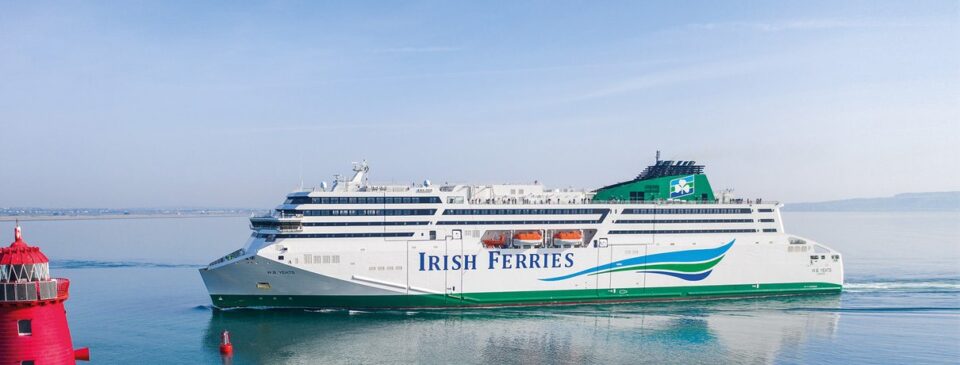
Compare Irish Ferries’ direct crossing, car-free rail combination and France break options to see which fits the way you want to travel.
Choosing a France trip through Irish Ferries is not simply a choice between ships. The UK store brings together a direct Ireland-France crossing, a Sail & Rail combination and holiday options that package a stay around a destination. Those choices solve different problems, so the right comparison starts with where you begin, whether you want a car, and how much of the break you want to plan yourself.
We reviewed the information on the UK regional store’s option pages. The main distinction is straightforward: Dublin-Cherbourg aboard W. B. Yeats is the crossing choice; Ireland-France Sail & Rail is for a journey that continues by train; and Eurocamp Holiday Parks and Parc Astérix breaks make the stay or attraction central. Availability and included elements can vary, so treat the pages as trip options to check, not fixed packages.
Disclosure: this post includes affiliate links, and we may be paid a commission on purchases made through them.
Highlights
- W. B. Yeats suits travellers who want a direct sea crossing from Ireland to France.
- Sail & Rail links ferry and train travel, trading a car journey for connection planning.
- Eurocamp gives the accommodation choice more weight in the itinerary.
- Parc Astérix is the park-led option; verify what the break includes before choosing.
| Option | Best fit | Main advantage | Trade-off |
|---|---|---|---|
| Dublin-Cherbourg | Direct sea crossing | Connects Ireland and France by ferry | Plan onward travel from Cherbourg |
| Sail & Rail | Car-free planning | Combines ferry and train legs | Connections and transfers need attention |
| Eurocamp | Stay-focused breaks | Choice of holiday park locations | Compare park, accommodation and route details |
| Parc Astérix | Theme-park visits | Builds a break around a named attraction | Dates and inclusions shape the value |
Dublin-Cherbourg keeps the crossing direct
The Dublin-Cherbourg route is the direct ferry fit when Ireland is the starting point and France the destination. Its route page lists the crossing between the two countries, which may help travellers avoid routing through Great Britain, depending on their wider itinerary. The ship associated with the service is W. B. Yeats, and onboard spaces include areas for dining, relaxing and family time. The route page is the place to confirm the current sailing pattern and available facilities.
This option works well for travellers who value the sea crossing as one continuous leg and are comfortable organising what follows in France. A ferry arrival does not automatically solve the final journey to a hotel or park. Think about driving distance, onward transport and arrival time before comparing it with rail. The route details for Dublin-Cherbourg should be checked against your dates, especially if the itinerary depends on a particular connection or cabin choice.
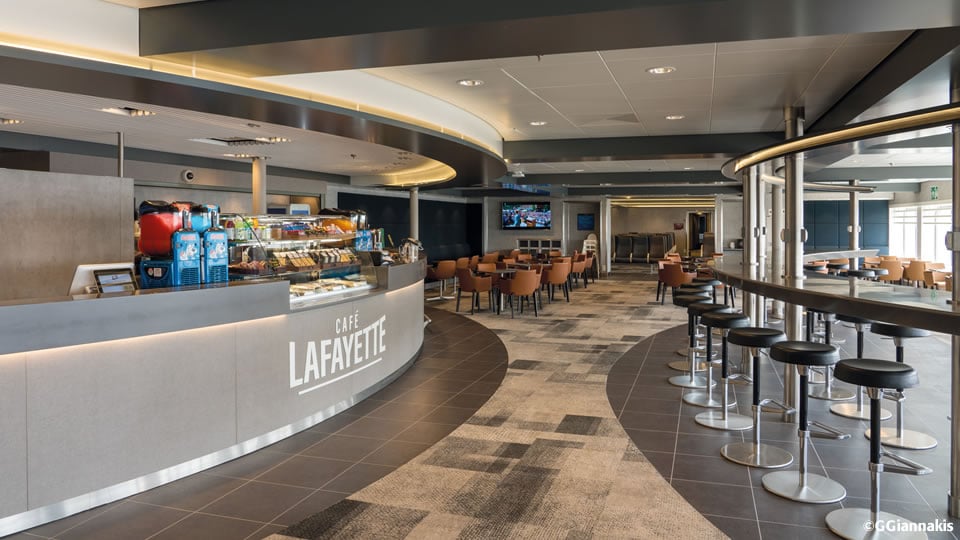
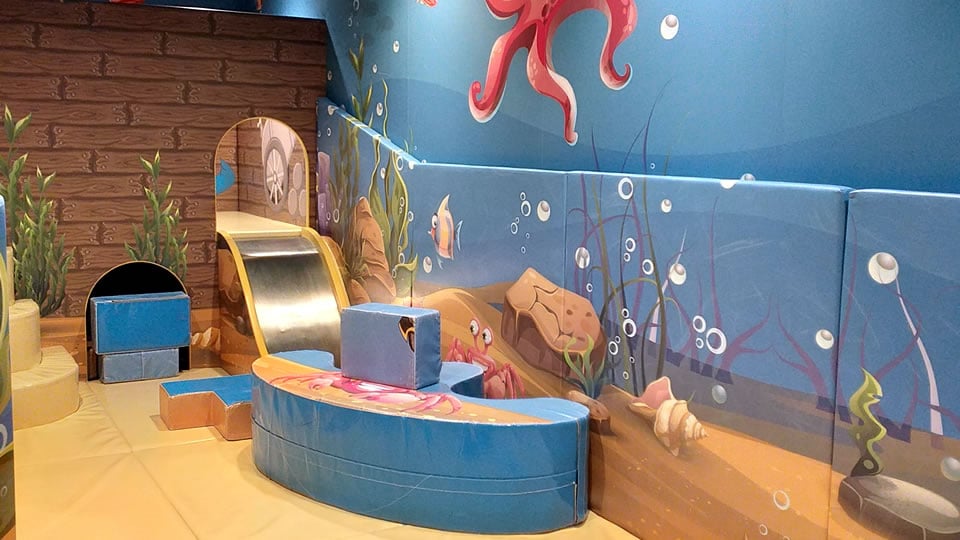
For an overnight sailing, the onboard offer matters to comfort, but it should not obscure the route decision. W. B. Yeats has public areas rather than a single all-purpose setting: the ship’s bar and café serve different moments of the journey, while a family may value a dedicated play area. These features can make the crossing feel easier to manage, but schedules, space and availability are trip-specific. Compare what you need with what the sailing page actually lists.
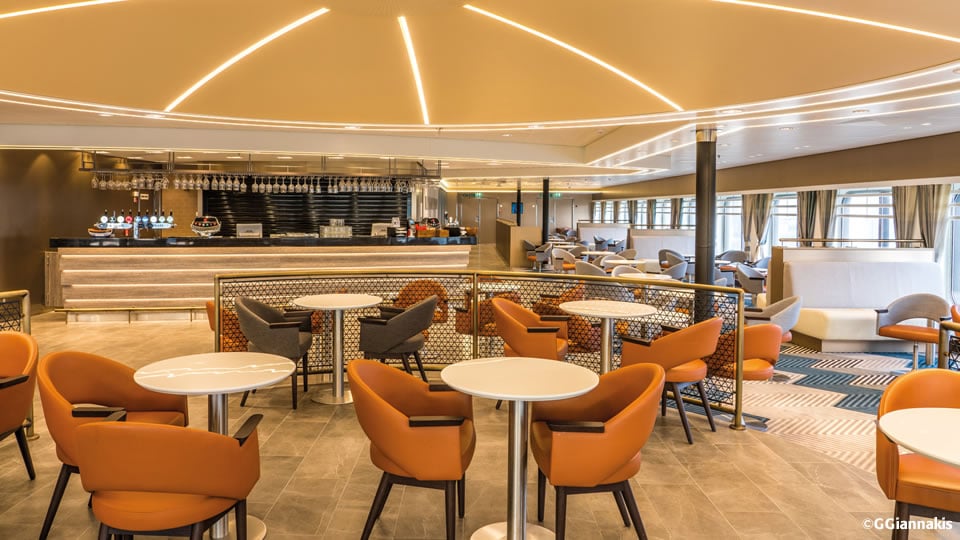
For some trips, onboard comfort is one piece of the choice alongside the route and the arrival plan.
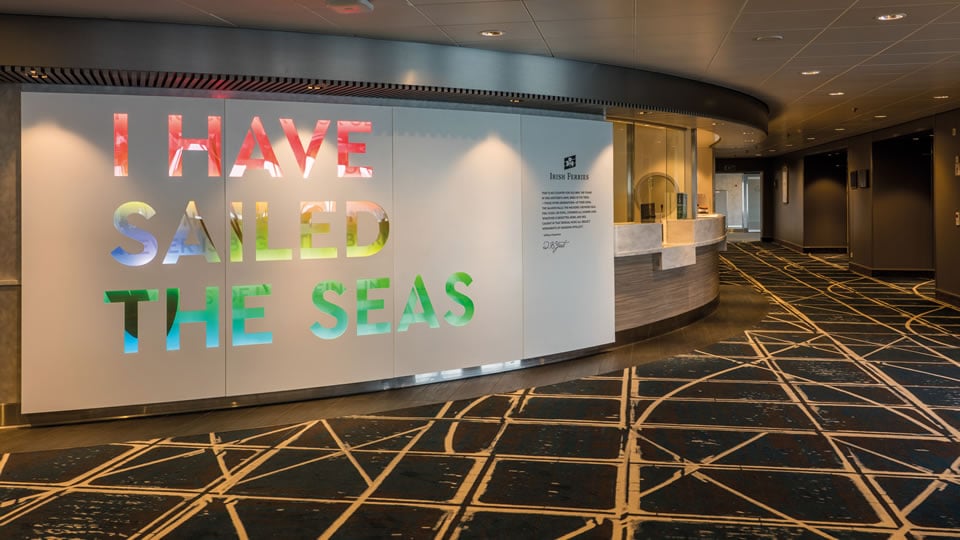
A café setting and public lounge give a sense of the different onboard spaces shown in Irish Ferries’ ship information.
Sail & Rail swaps driving for connection planning
Ireland-France Sail & Rail combines ferry and train travel for a journey that does not depend on taking a car across. That can be a meaningful advantage for people who prefer rail, do not want to drive abroad, or are travelling between rail-connected places. Compared with the direct ferry option, however, the trip has more hand-offs: travellers need to understand where each leg starts, how transfers work and how much buffer to leave.
The Sail & Rail information should be read as a combined travel arrangement, not an assurance that every connection is seamless. Confirm the booking sequence, station details, luggage arrangements and what happens if a leg changes. The practical comparison is therefore not merely train versus car; it is fewer driving responsibilities in exchange for more timetable coordination. For a traveller whose destination is easy to reach by rail, that exchange may be attractive.
- Map the ferry arrival and the next departure before committing.
- Check station locations and transfer time for each leg.
- Keep the final journey from the rail stop to your accommodation in view.
Eurocamp puts the holiday park into the choice
Eurocamp Holiday Parks is a different kind of comparison because it shifts attention from the crossing to the stay. The UK store presents French park options, with locations and accommodation styles to compare. This can help families or longer-stay travellers who want a defined base, but the fit depends on the park, the lodging format and how you expect to get around locally.
Rather than assume every park offers the same facilities, check the individual listing for its accommodation, location and amenities. A park stay may provide a more settled base than moving between hotels, while it can also mean committing more of the trip to one area. Compare its distance from the ferry arrival or rail route, then factor in food, local transport and the amount of time you plan to spend on site. Explore the listed Eurocamp choices with those practical details in mind.
- Park location and distance from the arrival port.
- Accommodation format and party needs.
- Facilities and how much time you expect to spend on site.
Parc Astérix suits an attraction-led break
Parc Astérix breaks are strongest when the theme park is the reason for the trip, rather than one stop among several. The attraction gives the itinerary a clear centre, which can simplify decisions for visitors travelling with children or fans planning around park time. It is less naturally suited to a broad tour of France unless you deliberately add other destinations and transport.
Check the current page to see what a specific break includes and how accommodation and park access are arranged. The name of the attraction alone does not establish the trip’s precise inclusions. Dates, travel needs and the balance between park time and other sightseeing all affect whether this beats a general park stay such as Eurocamp. The former has a clear activity focus; the latter gives more weight to selecting a base and its setting.
The best fit depends on the trip’s centre
For a direct crossing from Ireland, choose Dublin-Cherbourg aboard W. B. Yeats as the leading option. If avoiding a car matters most and your endpoints suit rail, start with Sail & Rail. If accommodation is the main decision, compare the individual Eurocamp park listings; if the park itself is the point, inspect Parc Astérix break details first.
- Best for a direct route: Dublin-Cherbourg.
- Best for car-free travel: Ireland-France Sail & Rail, when connections align.
- Best for a settled base: an individual Eurocamp park that matches your location needs.
- Best for a park-centred visit: Parc Astérix, after checking inclusions and dates.
There is no universal winner because these are not interchangeable products. A ferry crossing is transport, rail is a transport combination, and the latter two choices shape the stay. Cost will depend on travel dates, accommodation, party size, selected extras and availability. Compare the current options directly and calculate the full trip rather than judging from a headline description. A family-oriented sailing space such as the play area aboard W. B. Yeats can matter to one group, while an easy station connection may be the deciding factor for another.
Questions travellers ask about the France options
Which option is best if I do not want to drive?
Ireland-France Sail & Rail is the clearest starting point because it combines ferry and train legs. Check how each transfer works and plan the final journey to your accommodation before booking.
Does the ferry option include a stay in France?
The Dublin-Cherbourg route is a crossing. Accommodation can be considered separately through choices such as Eurocamp, or a park-led break; confirm the current page’s inclusions for any combined offer.
How should I compare the overall cost?
Use the same dates and party details when comparing. Include travel legs, accommodation, transfers and optional extras, then verify availability on the relevant route, rail or break page.
Wrapping up
Dublin-Cherbourg is our pick for a direct Ireland-France crossing; Sail & Rail wins for travellers who want a car-free combination and can manage its connections. For a base-led holiday, compare Eurocamp parks, while Parc Astérix is the focused choice when the attraction is the destination. The limitation is that availability and package details vary, and a route page alone cannot settle the cost or logistics of the whole trip.
Check the current listings against your dates, preferred travel mode and where you want to stay. That side-by-side check is the most useful final step before choosing between the ferry, rail and stay options.