
A first look at how Irish Ferries connects the Ireland-France crossing with shipboard choices and selected holiday stays.
For a first-time reader, Irish Ferries can look like a ferry operator with a straightforward job: take passengers across the sea. Its France range suggests a broader role. The company brings together a route, a large ship with distinct onboard spaces, and holiday partners that can extend a crossing into a longer trip.
The useful question is how much of a journey this range helps organise, and what still needs to be planned separately. We looked at the brand’s Ireland-facing France pages and product information to map the offer without treating every element as a single package.
Disclosure: this post includes affiliate links, and we may be paid a commission on purchases made through them.
Highlights
- Dublin-Cherbourg gives Irish Ferries a direct sea link between Ireland and France for travellers taking a vehicle.
- W.B. Yeats adds cabins, dining, bars and family spaces to the crossing itself.
- Eurocamp Holiday Parks links selected ferry journeys with holiday park accommodation in France.
- The range suits travellers who want the crossing and parts of the stay in one planning path, but schedules and add-ons still need checking.
Irish Ferries puts the sea crossing at the centre of its France offer
The brand’s practical identity begins with transport. On its Ireland-to-France pages, Dublin-Cherbourg is the direct route that anchors the range. That gives drivers a clear starting point: reach Dublin, board with a vehicle, and arrive at Cherbourg before continuing by road in France. It is a meaningful proposition for a trip built around personal transport, luggage flexibility or stops beyond a single resort.
That route-first model also defines the limits. A ferry crossing is one leg, not a door-to-door itinerary. Travellers still need to account for the drive to the port, check-in requirements, onward driving time and the schedule that suits their dates. The Dublin-Cherbourg page is therefore most useful as a planning reference, while the booking flow confirms which sailings and fare conditions apply.
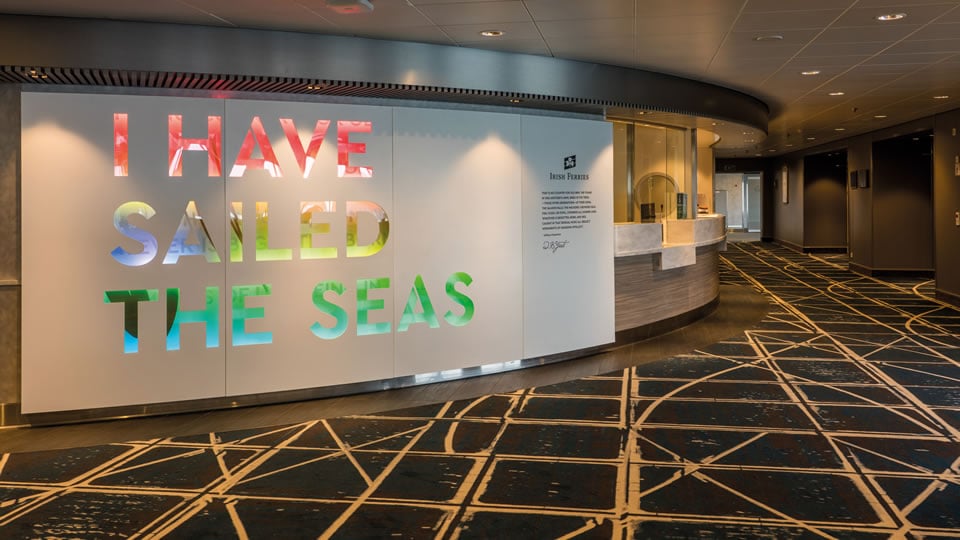
In context, the company sells access to a route and a way to carry a vehicle across it. For families, groups with equipment, or travellers planning a loop through several regions, that can be more relevant than a simple point-to-point ticket. The route will be less compelling if the destination is close to another port, if the sailing times complicate the itinerary, or if the traveller does not need a car in France. Reading the Dublin-Cherbourg details against the whole journey helps keep the crossing in perspective.
As a brand story, Irish Ferries is less about a single signature product than a network of choices around a crossing. The France range begins with the route, then adds options for how passengers spend the passage and where they stay afterward. That structure gives the brand a recognisable role in trip planning, while leaving customers responsible for deciding whether the route matches their own geography and pace.
W.B. Yeats turns passage time into part of the trip
The clearest expression of that approach is W.B. Yeats, the ship presented for the Ireland-France crossing. Its facilities make the onboard interval more than a seat between departure and arrival. The ship information lists cabins, restaurants, bars, a quiet lounge, family areas and other places to pause. This breadth matters because a long sailing is experienced in blocks of time: eating, resting, moving around and finding a comfortable place to spend the crossing.
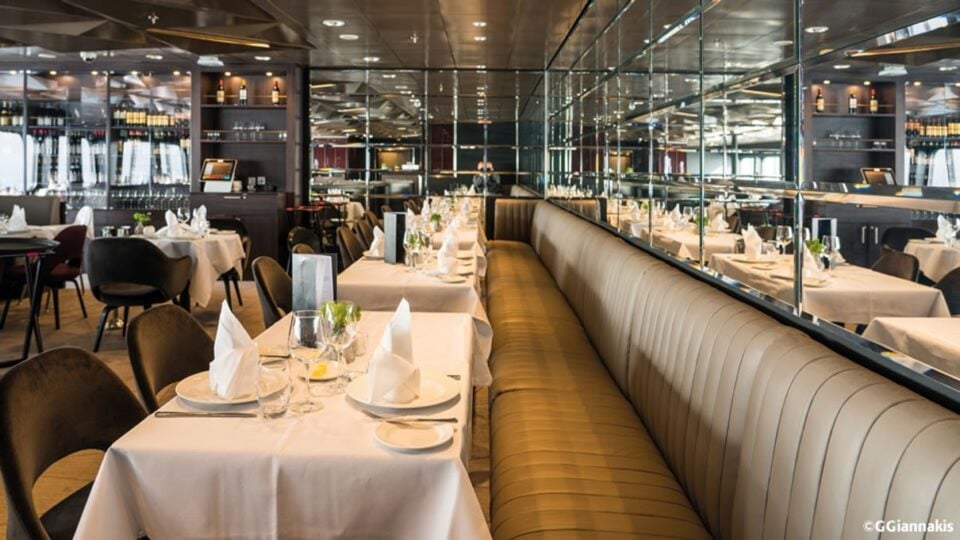
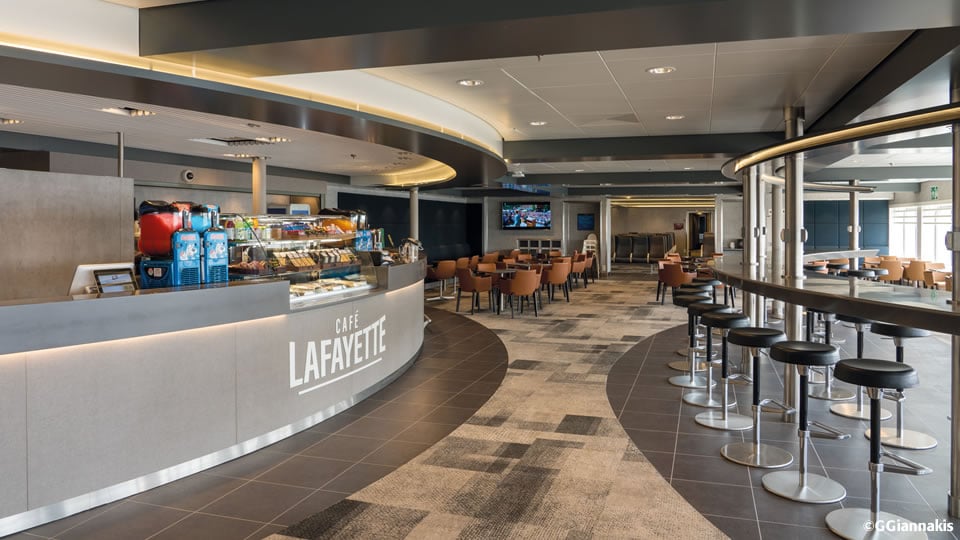
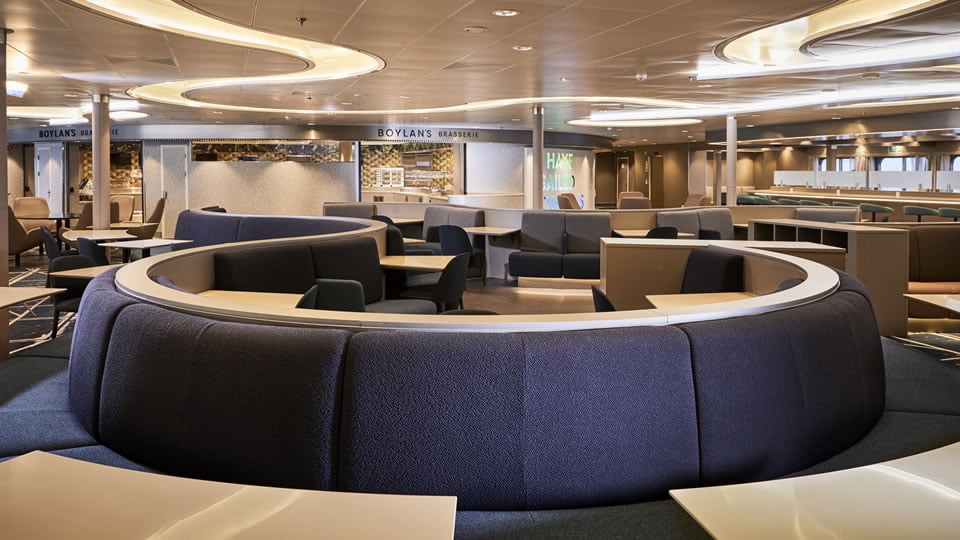
Dining is not restricted to one format. Irish Ferries describes Boylan’s Brasserie, Café Lafayette and the Lady Gregory restaurant, alongside lighter bites and buffet-style choices. Each gives the ship a slightly different rhythm: a sit-down meal, a coffee stop, or a more casual break. The details on W.B. Yeats help travellers decide what matters to them, though opening times and availability may vary by sailing or season.
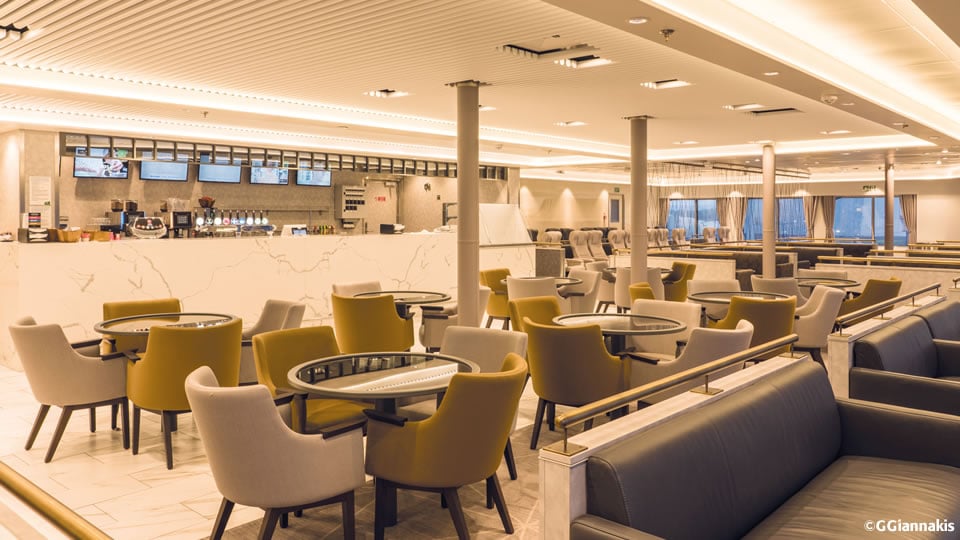
There is also a range of spaces rather than one universal premium experience. Innisfree Club Class is a separately identified lounge, while the ship also has public areas such as the Maud Gonne Bar and Lounge and the Hazel Wood Quiet Lounge. The practical distinction for a new reader is to check what is included with the selected fare and what requires an extra booking. Facilities make a ship more versatile; they do not mean every passenger automatically has access to every area.
For families, the play area and cinema listings point to ways of structuring onboard time, while cabins can make rest easier for travellers who prefer a private space. A first-time customer should compare these options against the length of the sailing, party size and tolerance for spending time in shared areas. Explore W.B. Yeats as a ship with several modes of travel, not a promise that every amenity will suit every passenger.
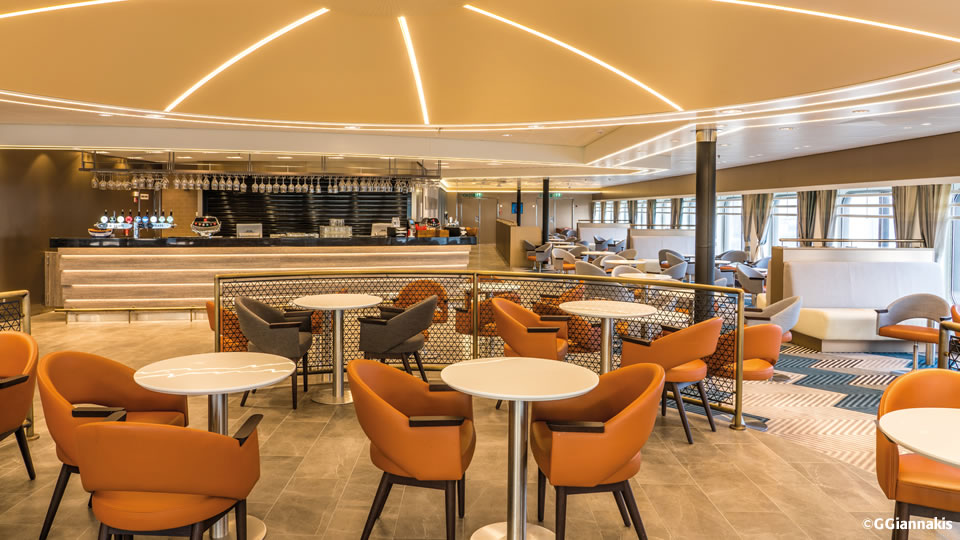
- For a meal: compare the listed restaurant and casual dining choices with your preferred routine.
- For rest: check cabin categories and what each fare includes.
- For quiet time: look at the dedicated lounge spaces and any access conditions.
- For children: confirm which family facilities are open during your sailing.
This onboard range is a brand strength because it gives travellers agency over the crossing. It is also a reminder to plan around actual needs. A passenger who expects a brief transfer may care most about departure time and seating, while someone treating the crossing as the start of a holiday may value dining, a cabin or a lounge. The W.B. Yeats information allows those priorities to be weighed before booking rather than guessed from generic ferry language.
Eurocamp extends the journey into selected French stays
Irish Ferries reaches beyond transport through holiday partners. Its France pages feature Eurocamp Holiday Parks, with selected parks and accommodation presented alongside ferry travel. That changes the brand’s role: a reader can begin with the crossing and consider a place to stay through the same travel destination, rather than researching every element independently from the outset.
The park model is naturally different from a city hotel or a simple overnight stop. Holiday parks generally make sense for travellers who want a base, shared facilities and room for several days of activities. The selection includes named locations such as Château les Éaux and Domaine de Drancourt, each with its own setting and facilities. The listing should be read carefully because the available accommodation, amenities and travel combinations are specific to each park and date.
The distinction between transport and stay is important. A holiday park option does not remove the need to judge driving distance, route timing or the style of holiday you want. For a family planning a longer break, a campsite-style base may make the ferry useful as part of a larger itinerary. For a short city visit or a trip that moves every night, this add-on may be less relevant. The Eurocamp Holiday Parks pages help narrow the range, but the traveller still needs to compare locations with their plans.
This is where Irish Ferries’ range becomes most legible as a brand proposition: it can be a transport provider and a gateway to complementary travel choices. A reader might start with Dublin-Cherbourg, check the spaces aboard W.B. Yeats, then see whether Eurocamp Holiday Parks aligns with the intended stay. Each step remains a choice, and that modular structure can be more useful than assuming one fixed package will suit everyone.
The range rewards travellers who plan each connection
There is a coherent idea behind these offerings: make a sea crossing the spine of a trip, then give travellers ways to shape the time around it. The route is the operational core, shipboard facilities address comfort during the passage, and holiday partnerships offer an onward stay. Each part answers a different question, so the range is easiest to understand when considered in that order.
That coherence should not be mistaken for a seamless, all-inclusive itinerary. Schedules, onboard access, accommodation availability and onward travel all need their own checks. A connection that looks simple on a brand page can involve separate decisions, and the total cost depends on travel dates, party composition, vehicle, cabin or lounge choices, and accommodation type. Check current details at the point of planning rather than relying on a broad brand description.
For first-time readers, a useful shortlist is:
- Start with the route and port pairing that fits your intended destination.
- Decide whether bringing a vehicle is central to the trip.
- Choose onboard facilities based on the crossing length and your party’s needs.
- Compare holiday partner locations with the amount of time you plan to stay.
- Review the live booking conditions for all parts before fixing your itinerary.
This sequence keeps the brand’s breadth useful instead of overwhelming. It also makes clear why Irish Ferries may appeal to travellers who want to organise a France journey around their own vehicle and a longer stay, while another transport mode or port may suit a different itinerary better. We see the value in the connected range, with the caveat that the customer has to join the pieces deliberately.
Is Irish Ferries only a ferry operator?
The crossing is its core offer, but the Ireland-facing France pages also present shipboard facilities and selected holiday partner stays. Those are additional planning options around the transport service.
What should a first-time traveller compare first?
Begin with the route, sailing schedule and port logistics. Then consider vehicle needs, onboard spaces and whether a partner stay fits the intended pace of the trip.
Are all ship facilities included in every fare?
Not necessarily. Irish Ferries lists distinct facilities and options, so check the current fare details and any access conditions for cabins, lounges or other extras before booking.
Wrapping up
Irish Ferries is worth considering as a travel brand because its France offer links a direct route with a ship designed around varied onboard needs and selected holiday stays. For a first visit to the range, start with Dublin-Cherbourg and build outward only where the route, W.B. Yeats facilities and Eurocamp Holiday Parks genuinely fit your plans.
The limitation is coordination: the range gives useful building blocks, but it does not decide the full itinerary for you. Compare current schedules, inclusions and accommodation details against your own route before committing.