
A research-led review of the direct crossing, onboard options and linked French stays, with the planning trade-offs made clear.
Choosing a ferry to France means weighing the route against how much trip planning you want the operator to support. Irish Ferries combines the Dublin-Cherbourg crossing, onboard facilities, rail connections and French stays, each with its own booking details.
We reviewed the Irish Ferries Ireland-region pages. The clearest fit is a traveller taking a car or coordinating ferry, rail and accommodation around a direct crossing. A connected offer still requires planning each leg.
Disclosure: this post includes affiliate links, and we may be paid a commission on purchases made through them.
Highlights
- Dublin-Cherbourg gives Ireland-based travellers a direct sea route to France, with the sailing schedule setting the shape of the trip.
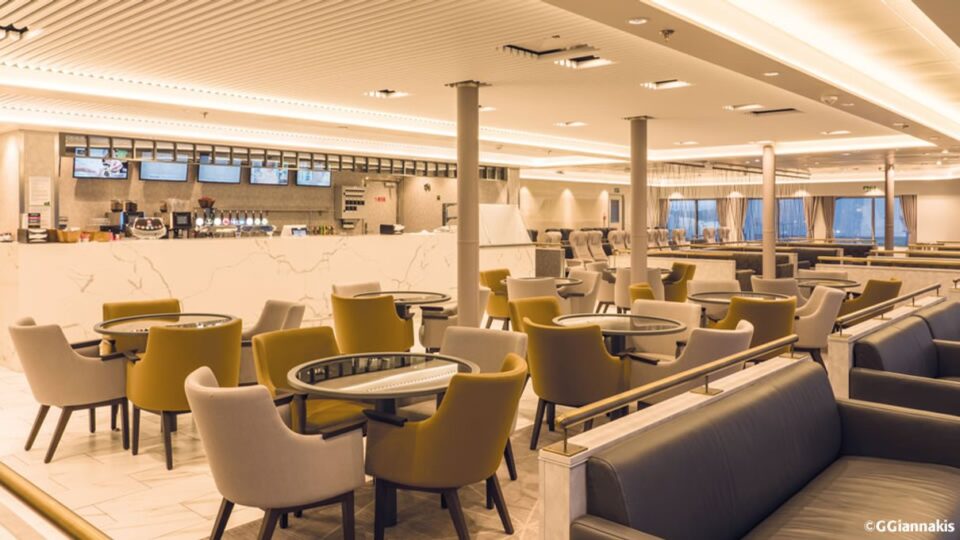
- W. B. Yeats has cabins, dining areas, lounges and family spaces that make onboard choice relevant on a long crossing.
- Sail & Rail to France can suit car-free itineraries, though the ferry, port transfer and train legs need to line up.
- Eurocamp Holiday Parks and other linked stays help build a holiday around the crossing, with the exact property and route affecting the fit.
Dublin-Cherbourg gives Ireland a direct sea connection
The core proposition is straightforward: the Dublin-Cherbourg route puts a direct Ireland-France sailing at the centre of the journey. That can be a good match for travellers who want to bring a car and continue through France on their own timetable. It also avoids building the route around a land crossing through Britain.
The route page is the place to confirm sailing days, journey details and the booking flow. Schedules can vary by season, so a route that fits a broad holiday idea still needs checking against the dates you can actually travel. The operator’s France travel information and Dublin-Cherbourg details should be read together before settling flights, accommodation or onward appointments.
There is a trade-off in that directness. The ferry places you at Cherbourg, so the convenience depends on how that port sits against your final destination. Normandy and western France can make the arrival point practical; a trip focused much farther east may call for a longer drive or a more involved rail itinerary. Check the route against the whole map, not just the crossing.
- Good fit: a road trip with flexibility after arrival.
- Less simple: a tightly timed itinerary where a later connection cannot absorb a schedule change.
- Worth checking: vehicle needs, sailing dates, arrival time and the distance from Cherbourg to the first stop.
For readers who can take their own vehicle, this direct link is the service’s strongest practical argument. The schedule and onward distance are the limits to weigh, rather than assuming the ferry alone defines the total travel time. Check the Dublin-Cherbourg route details against your itinerary.
W. B. Yeats makes onboard choices part of the journey
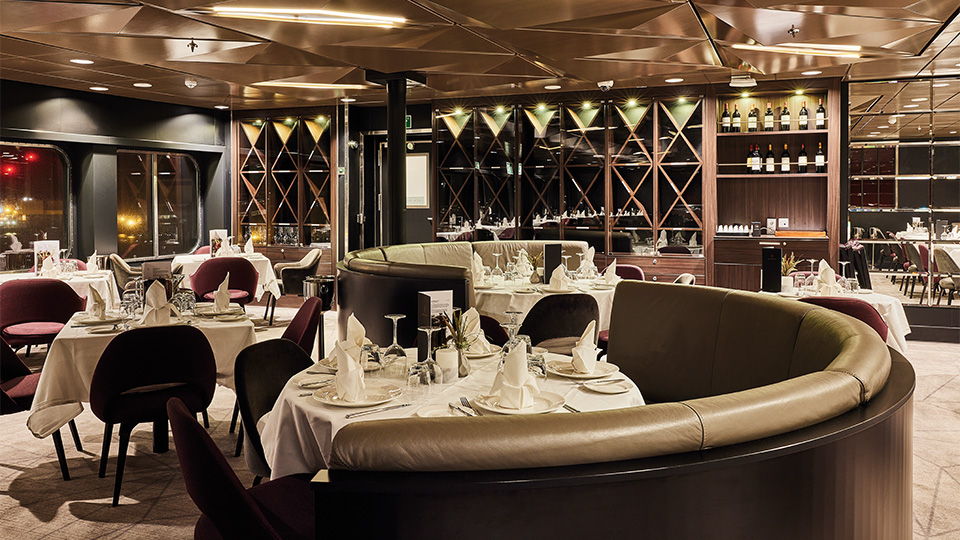
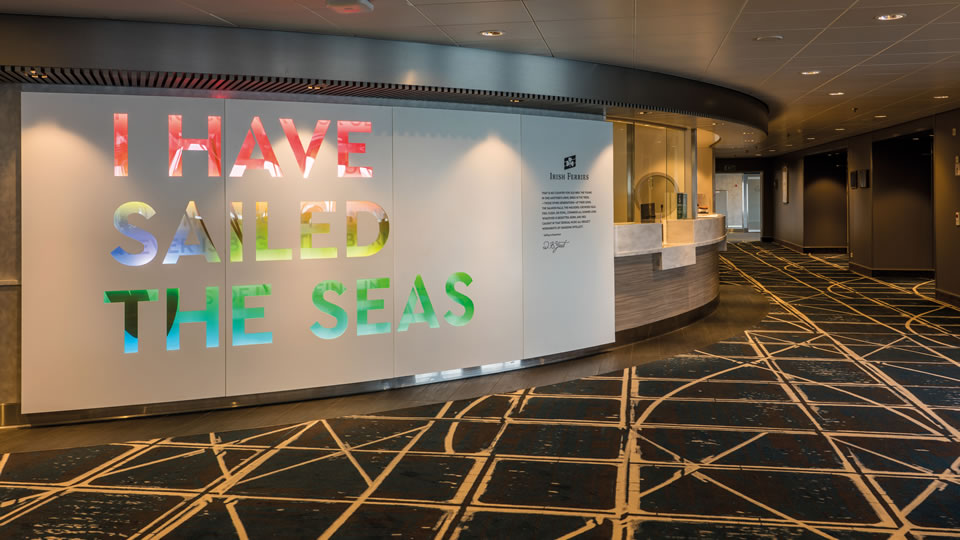
The W. B. Yeats is more than a seat between ports. Irish Ferries presents cabins, dining spaces, lounges and family facilities, so travellers can choose how to spend the crossing. A cabin is relevant for privacy and rest; a lounge or restaurant matters more to people who expect to move around and use the ship during the sailing.
The range is a genuine strength because different groups have different needs. The ship page lists cabins and onboard facilities, while the France route overview helps put those choices in their route context. We would treat each extra as a comfort or convenience decision, not as a reason to assume every traveller needs the same package.
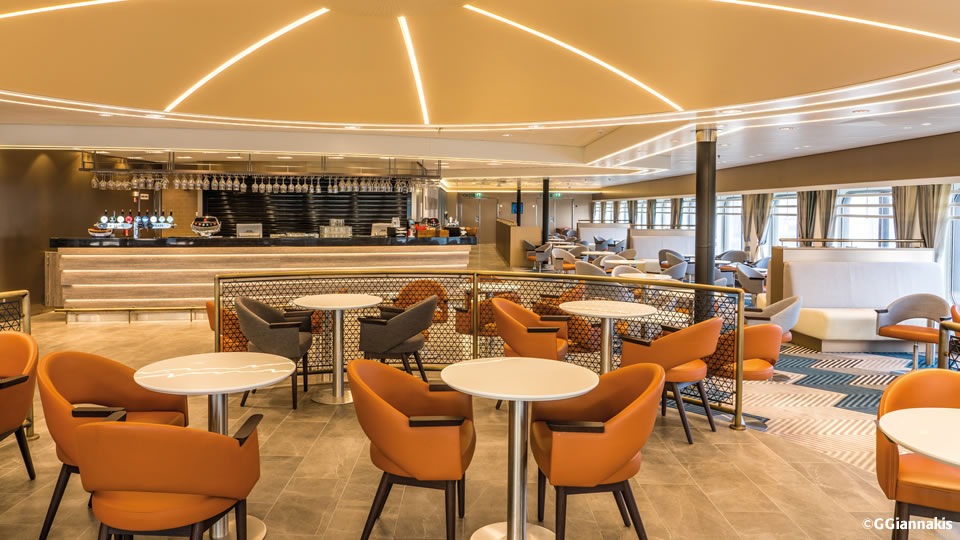
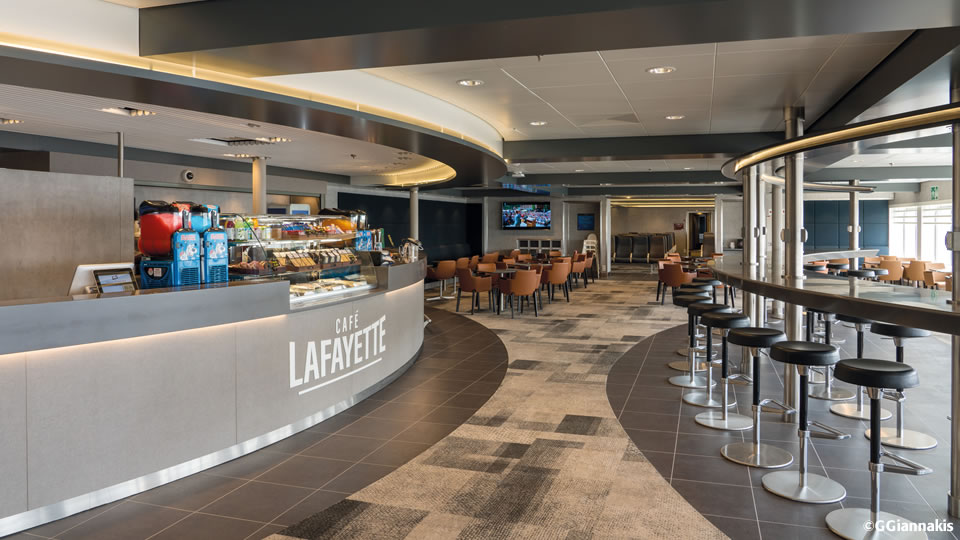
Dining is another useful part of the proposition. Boylan’s Brasserie and Cafe Lafayette give the crossing several food and seating settings. If you are travelling with children, the ship also lists family facilities, including a play area. These are specific onboard amenities, but availability and opening arrangements should be confirmed for the sailing you book rather than assumed from general ship information. The W. B. Yeats page lists the facilities.
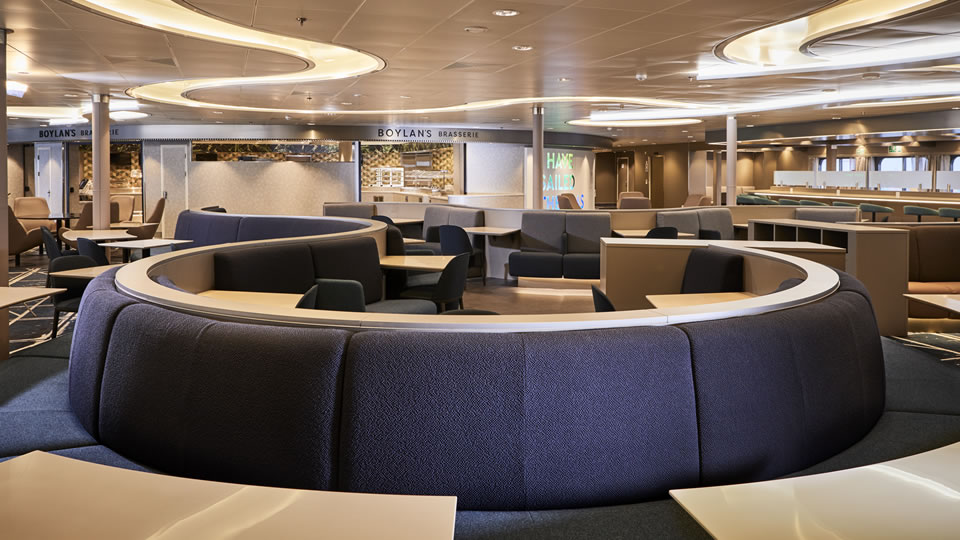
The limit is that more onboard options can make fare selection and total trip cost harder to judge at a glance. Costs depend on the sailing, accommodation choice, party and vehicle details, plus any selected extras. Compare the booking summary with your actual needs: do you want a cabin for the overnight rest, or would another seating choice work? The W. B. Yeats ship information makes that decision easier to frame, while the Irish Ferries booking pages hold the current sailing options.
Sail & Rail broadens the offer for car-free trips
Sail & Rail to France is the most relevant alternative for readers not planning to drive. It connects a ferry journey with onward rail travel, giving the operator a role beyond the port-to-port leg. That can make the France trip possible without taking a car, particularly when the itinerary works with the rail network and the connection from the port.
The strength is convenience through a linked route. Irish Ferries’ Sail & Rail information describes the components and directs customers to the booking and travel details. However, travellers should check the port transfer, station, train schedule, baggage expectations and what happens if one leg changes. The trip still involves multiple stages, so a connected product is not the same as a door-to-door service.
- Confirm the ferry arrival time and the onward connection window.
- Check whether a local bus or other transfer is needed between port and station.
- Review the rail itinerary and baggage arrangements before you commit.
- Keep the full arrival-to-destination plan in view when comparing the fare.
That makes Sail & Rail a sensible option for independent travellers comfortable with transfers, particularly if the destination is well served by trains. It is less suitable for anyone expecting a single vehicle-like journey or who cannot absorb a missed connection. The Sail & Rail details help clarify the transfer steps. The current route information and France booking overview are the appropriate places to check the details as dates approach.
French stays help shape a longer holiday
Irish Ferries’ French holiday pages extend the offer from transport into accommodation. The Eurocamp Holiday Parks page presents parks around France, with selected examples near Cherbourg and Calais and the option to ask about other resorts. It also describes flexible arrival days during the season. That breadth gives families and longer-stay travellers a way to bring ferry and park accommodation into one planning conversation.
The specific property matters more than the partner name. A park’s location, accommodation type, facilities and distance from the port will shape whether it suits your group. Irish Ferries names a range of holiday partners and places, while its Eurocamp page is explicit that travellers can choose a preferred park and crossing then contact the team about a package. Read the property information and terms before treating the package as a complete itinerary.
For a shorter break, the operator also lists stays such as French holiday stays, alongside attractions and regional holiday ideas. Those options make the brand more useful to travellers who want help assembling a trip, but they also add a decision layer: accommodation availability, route dates and onward driving time need to agree. The France holidays section and the relevant property page should be treated as planning starting points, not as a substitute for checking the final itinerary.
A sensible comparison is to price the complete plan rather than the ferry in isolation. Include the crossing, any cabin or other onboard choices, fuel or rail connections, and the nights you intend to stay. Irish Ferries can bring those components into view, but the reader has to decide which ones are useful and confirm that they fit together.
The offer suits flexible planners who value a direct route
Irish Ferries looks strongest for people who want a direct crossing from Ireland, value the ability to take a car, or are comfortable arranging rail and hotel connections themselves. Its France route and holiday pages provide useful starting points, and the named ship amenities give travellers a clearer sense of what the sea leg includes.
It is a less obvious fit for itineraries built around strict arrival times, travellers who want a seamless transfer at every stage, or people whose French destination is awkward from Cherbourg. In those cases, compare the full door-to-door plan with alternatives before committing. The route and rail option pages outline its components. For a family road trip, by contrast, the direct route and stay options may make the planning feel more coherent.
Before booking, we would check these practical details:
- Does the sailing calendar match the dates you need?
- Does the arrival port work for your first stop?
- Which onboard choices address a real comfort need for your group?
- For rail travel, are port transfers and connection times workable?
- Do accommodation dates and cancellation terms fit the crossing?
These checks make the brand’s strengths easier to assess without relying on broad claims. Use the route page for sailing specifics, the ship page for facilities and the relevant holiday page for accommodation information.
Questions travellers ask before booking
Can you travel without a car?
Yes. Irish Ferries lists a Sail & Rail option for France. Check how the port connects with the train station and allow enough time between the ferry and onward service.
What does the W. B. Yeats offer on board?
The ship information lists cabin, dining, lounge and family facilities. The right combination depends on the sailing and your party, so confirm the available choices in the booking flow.
Can the ferry be booked with a French stay?
Irish Ferries presents holiday pages, including Eurocamp parks, and invites travellers to discuss a preferred park and crossing. Confirm availability, the accommodation terms and how the proposed crossing fits your dates.
Wrapping up
Our recommendation is to shortlist Irish Ferries if a direct Ireland-France sailing is important and you are happy to plan the parts around it. Dublin-Cherbourg is the clearest strength; the ship’s facilities and linked stay options make the offer broader than a basic crossing. Sail & Rail adds an alternative for car-free travel, with transfer coordination as its main caveat.
The honest limitation is that the bundled feel does not guarantee a simple end-to-end itinerary. Schedules, connections, accommodation and extras all need checking against your trip. If those pieces line up, Irish Ferries is a credible option to consider; if your timing is tight, compare the full route before choosing. Review the current Ireland-to-France options and confirm the details for your dates.