
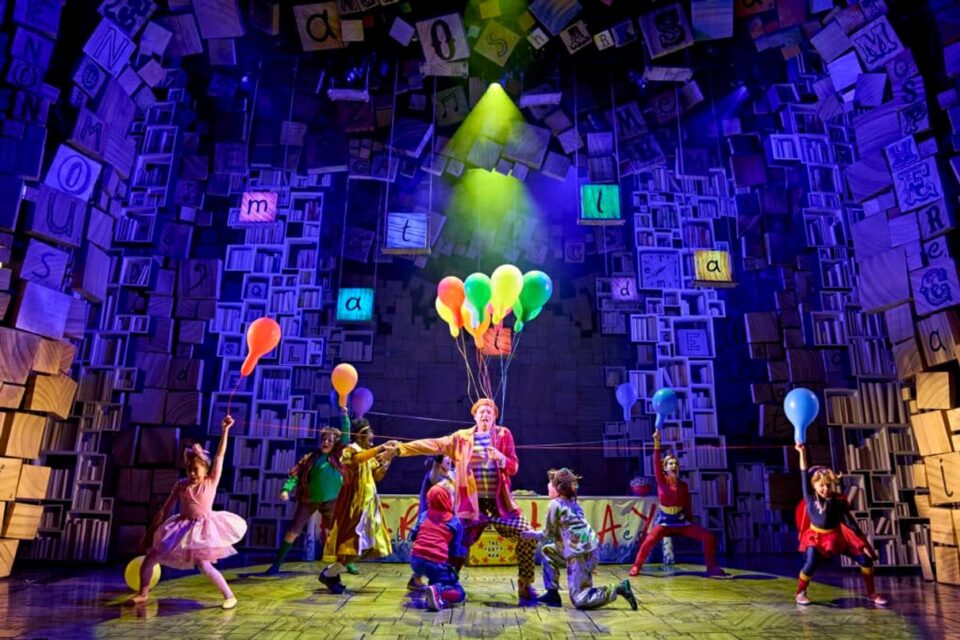
Compare standard, chilled, captioned, audio-described and BSL-interpreted performances by the needs each one is designed to meet.
Choosing a performance of Matilda, The Musical is not only a question of date and seat. The official London production offers a standard performance route and several assisted formats, each designed around a different way of accessing the show. The best fit depends on what will make the theatre visit comfortable and clear for your party.
We reviewed the official UK performance information and compared the options by their stated features. The production is at the Cambridge Theatre in Seven Dials, and the site describes formats including chilled, captioned, audio-described and BSL-interpreted performances. This guide helps narrow the choice before you check the calendar and booking details.
Disclosure: this post includes affiliate links, and we may be paid a commission on purchases made through them.
Highlights
- Standard performances are the straightforward choice when no specific access format is needed.
- Chilled performances are designed for a more relaxed environment and are the clearest match when that is the priority.
- Captioning, audio description and BSL interpretation offer distinct ways to follow the show.
- Check dates, access arrangements and the production’s content information before booking any format.
The standard performance keeps the choice broad
A standard performance is the natural starting point if your party is comfortable with the usual theatre environment and does not need a specific access provision. It gives you the broadest date selection in principle, though the actual calendar and seat availability determine what is bookable. This is the best all-round option when the main decision is simply which day and seating area suit the visit.
For a first pass, compare the official ticket options against your travel plan, party size and preferred performance time. The official site notes that the production includes flashing lights, lasers, loud sound effects, popped latex balloons and stage haze, with actors interacting in audience spaces. Its age guidance is six and above; children must occupy their own seats, and children under four are not admitted to the auditorium. These details can matter more than the label on the ticket.
Visitors comparing the standard ticket route with date-specific formats can use the official calendar to see what is actually offered. The chilled performance details are a useful point of comparison when comfort shapes the decision.
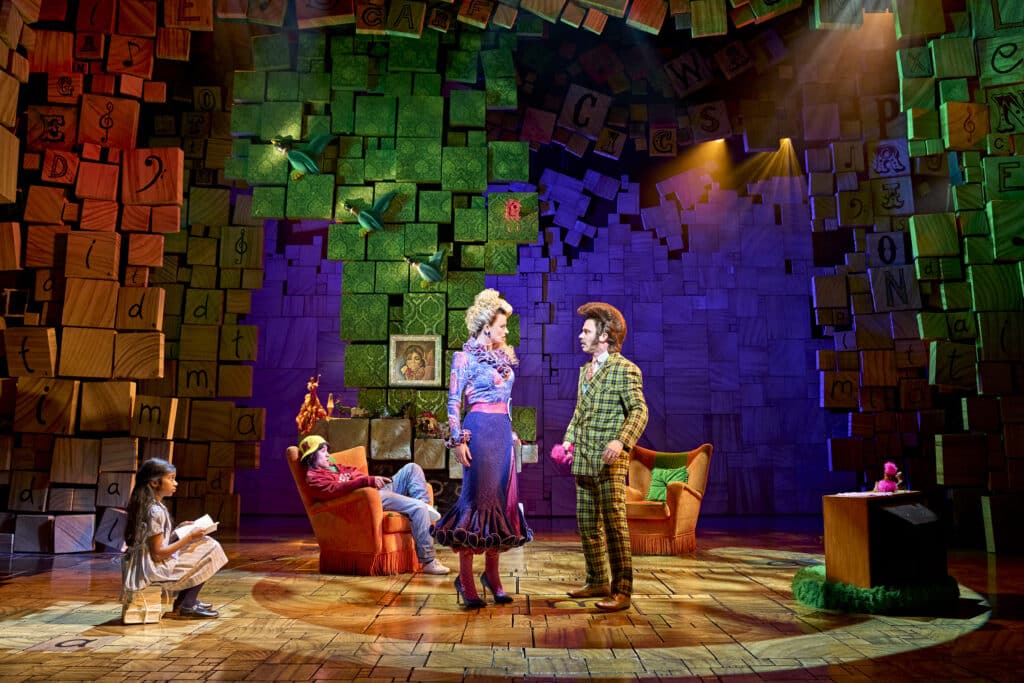
Chilled performances prioritise a relaxed setting
The Matilda The Musical Chilled Performance is the clearest choice for visitors who benefit from a more relaxed performance environment. The official assisted-performances page groups chilled shows with the production’s access offer and provides more information for booking. Read the date-specific notes rather than assuming every adjustment will suit every sensory preference.
Against a standard show, the deciding gain is the format’s stated relaxed approach, while the trade-off is that you need to work around the dates offered for that format. If the chilled date does not fit a journey or group schedule, contact the box office or consult the official access page before choosing a regular performance. The page also says younger children and babes in arms are welcome at relaxed and chilled performances, while the standard age and admission guidance still deserves a careful read.
- Choose chilled when the environment is your main concern.
- Check the particular date and any booking instructions for that performance.
- Use the official access information to decide whether the adjustments match your needs.
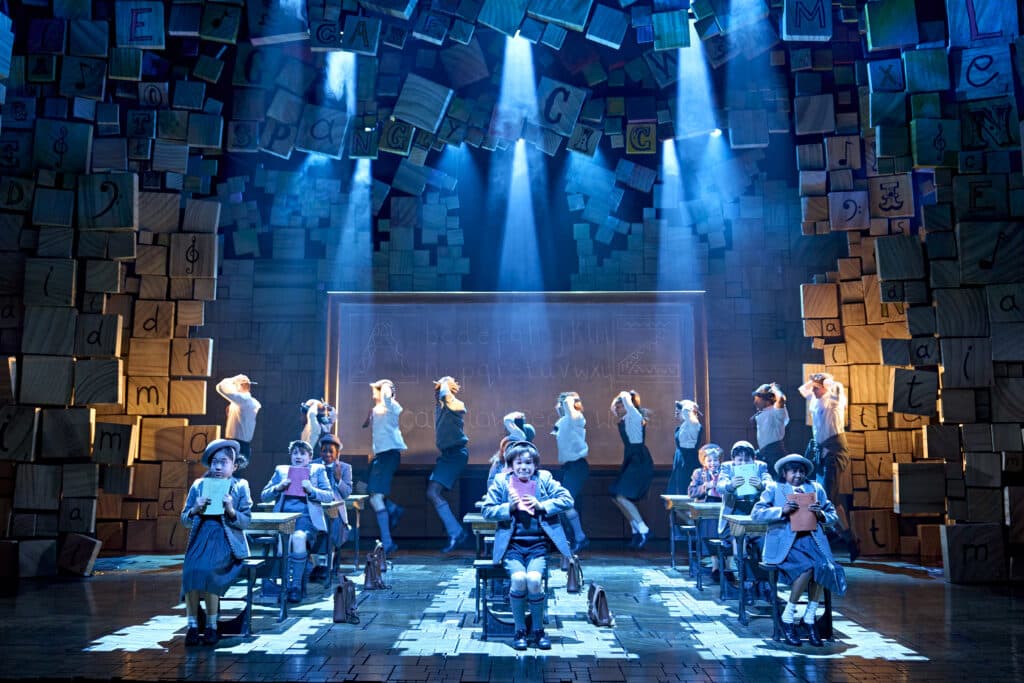
Captioned shows add visible dialogue support
The Matilda The Musical Captioned Performance is the strongest fit for visitors who want spoken dialogue displayed as captions. It can help audience members who are deaf or hard of hearing, and may also suit anyone who follows dialogue more easily in written form. The format adds a layer of information while preserving the live performance around it. Check the captioned performance listing and its current ticket choices together.
The limitation is availability: captioning is tied to selected performances, so it may narrow the date choice. The theatre’s access page is the place to confirm which date is captioned and how to arrange a suitable seat. A normal performance may offer more scheduling flexibility, but it does not provide that same captioning feature. Compare the date first, then assess the seat and journey together. The official captioned option should be checked before settling on a standard date.
Captioning should not be confused with BSL interpretation. They are different access formats, and a viewer’s preferred way to receive dialogue determines which is more useful. The official site lists both options, so visitors should use the format that fits their own needs rather than assume one substitutes for the other. Compare the captioned dates with audio-described performances directly.
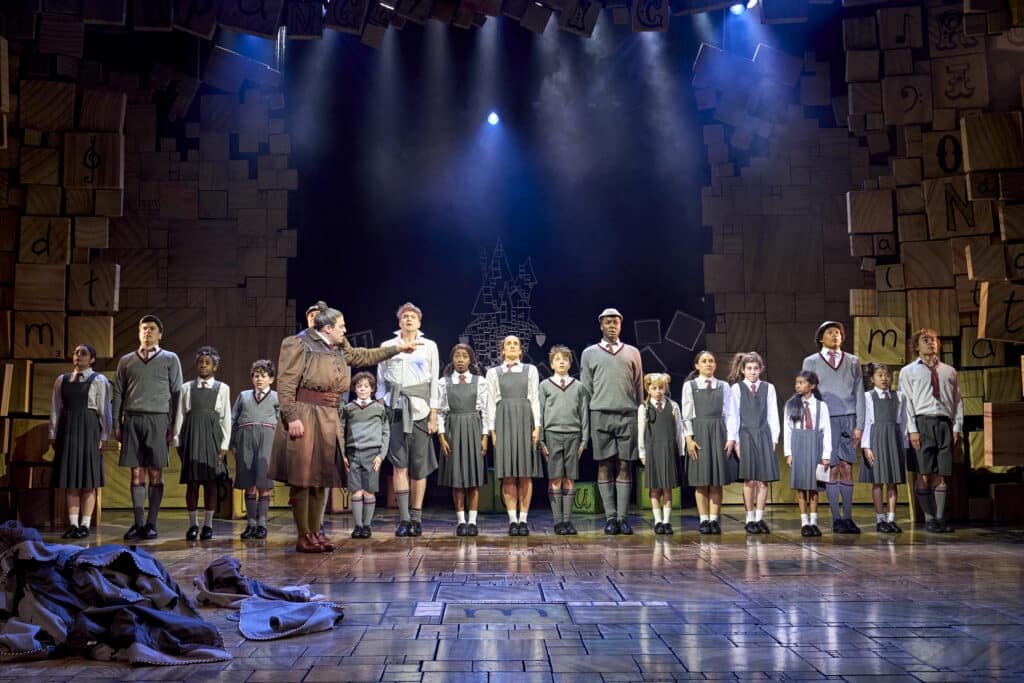
Audio description and BSL serve different access needs
The Matilda The Musical Audio Described Performance is designed for blind and partially sighted audience members through spoken description of visual action. The official information mentions supporting resources such as visual stories, sonic stories and touch tours for audio-described performances. These resources can help with preparation, but check what is offered for the exact date and how to arrange it. Consult the audio description information alongside the official booking route.
BSL-interpreted performances are the alternative to consider when British Sign Language is the preferred way to access dialogue. They are not interchangeable with audio description or captions: each format addresses a different need. That is why the most useful comparison is the audience member’s preferred access method, followed by date availability and seating arrangements. The audio-described listing and the general ticket calendar help establish which choice is practical.
- Audio description: choose this when spoken description of visual action is useful.
- BSL interpretation: choose this when signing is the preferred access route.
- Captioning: choose this when displayed dialogue is the priority.

It is worth keeping access and convenience as separate parts of the decision. A date that is ideal for your journey may not be the date with the format you need, and a convenient seat does not replace the assistance itself. Make a shortlist in order of importance: required format first, date second, then seat area and travel logistics. When those priorities conflict, the access requirement should usually lead the comparison.
The format comparison comes down to fit
| Option | Main advantage | Best fit | Trade-off |
|---|---|---|---|
| Standard | Broadest general choice | Visitors without a specific access requirement | Usual effects and environment apply |
| Chilled performance | More relaxed setting | Visitors who benefit from that environment | Selected dates only |
| Captioned performance | Dialogue displayed as captions | Visitors who prefer written dialogue support | Check date and seating details |
| BSL-interpreted performance | Dialogue interpreted in British Sign Language | Visitors who prefer signed dialogue | Check the date and seating arrangements |
For a quick decision, start with these priorities:
- Most flexible general visit: compare standard dates and available seats.
- Relaxed environment: shortlist a chilled performance.
- Written dialogue: check captioned dates.
- Spoken visual detail: check audio description and related resources.
- Signed dialogue: look for a BSL-interpreted performance.
A few checks make booking more straightforward
Before selecting seats, decide which format actually answers the access need. Then confirm the chosen date, seat location, booking process and any resources or support that must be requested in advance. The official accessibility page provides contact details for assisted performance enquiries, which is useful when a general ticket page does not resolve a practical question. Review the chilled format and the captioned format on their own terms.
It is also sensible to plan the visit around the Cambridge Theatre location rather than treating the ticket as the whole day. Check the route, arrival time and any access arrangements directly with the venue. The site carries production advisories, including sensory effects and audience interaction, so review those details with younger visitors or anyone who would value knowing what to expect.
Are chilled and relaxed performances the same choice?
The official site refers to chilled and relaxed performances in its access information. Check the specific description for the date you are considering to understand the arrangements rather than relying on a label alone.
Can I choose any date for an assisted performance?
Assisted formats are listed on selected dates, so availability can be more limited than the standard calendar. Confirm the performance date and booking instructions on the official site before arranging travel.
Where should I ask about access arrangements?
Use the official assisted-performances page and contact the box office for questions about booking, seating or access resources. Those details can vary by performance, so direct confirmation is the safest route. The audio-described performance page and the ticket options page are the useful starting points.
Wrapping up
There is no universal winner: standard performances suit the broadest general visit, while chilled, captioned, audio-described and BSL-interpreted shows win when their specific support matches a visitor’s needs. Start with the access format, then choose among the dates and seats that remain available.
The main limitation is that assisted formats run on selected dates, so the ideal support may not align with the easiest travel plan. Review the current calendar, production advisories and venue arrangements before committing.