
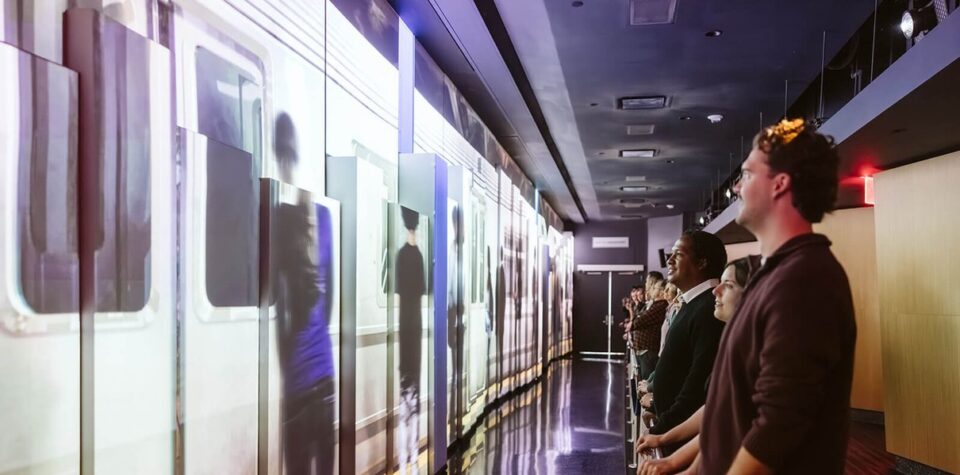
A closer look at how One World Observatory connects its Lower Manhattan setting, immersive arrival and ticket choices into one indoor skyline experience.
New York has plenty of places to look out over the city. The more useful question is what makes an observatory visit feel like a coherent part of a day, rather than simply a lift ride followed by photographs. One World Observatory answers that through a particular combination: its position at One World Trade Center, an indoor panorama and a sequence of arrival and interpretation features.
We reviewed the official visitor and ticket information to understand the shape of that experience. The picture is less about choosing a better view and more about deciding how much structure, flexibility or hospitality belongs in your plan. The official visit information is the place to confirm the details that can change.
Disclosure: this post includes affiliate links, and we may be paid a commission on purchases made through them.
Highlights
- One World Observatory is an indoor observation experience at One World Trade Center in Lower Manhattan.
- The official site says the SkyPod travels 102 floors in 47 seconds, making the ascent part of the visit.
- Standard General Admission keeps the format simple, while other tickets add convenience or guidance.
- Combination Experience, All-Inclusive Experience and VIP Tour each answer a different planning preference.
- The strongest reason to choose a paid extra is a specific need, such as flexibility or context, rather than the assumption that every upgrade improves the view.
That last point is useful because an attraction can have a strong identity without every visitor needing the full menu of additions. The observatory’s offer is best understood as a layered visit: the city view is the anchor, while arrival and interpretation shape how visitors reach it and make sense of what they see. Start with the official visit overview to see how those parts are presented.
The Lower Manhattan setting gives the view its point of reference
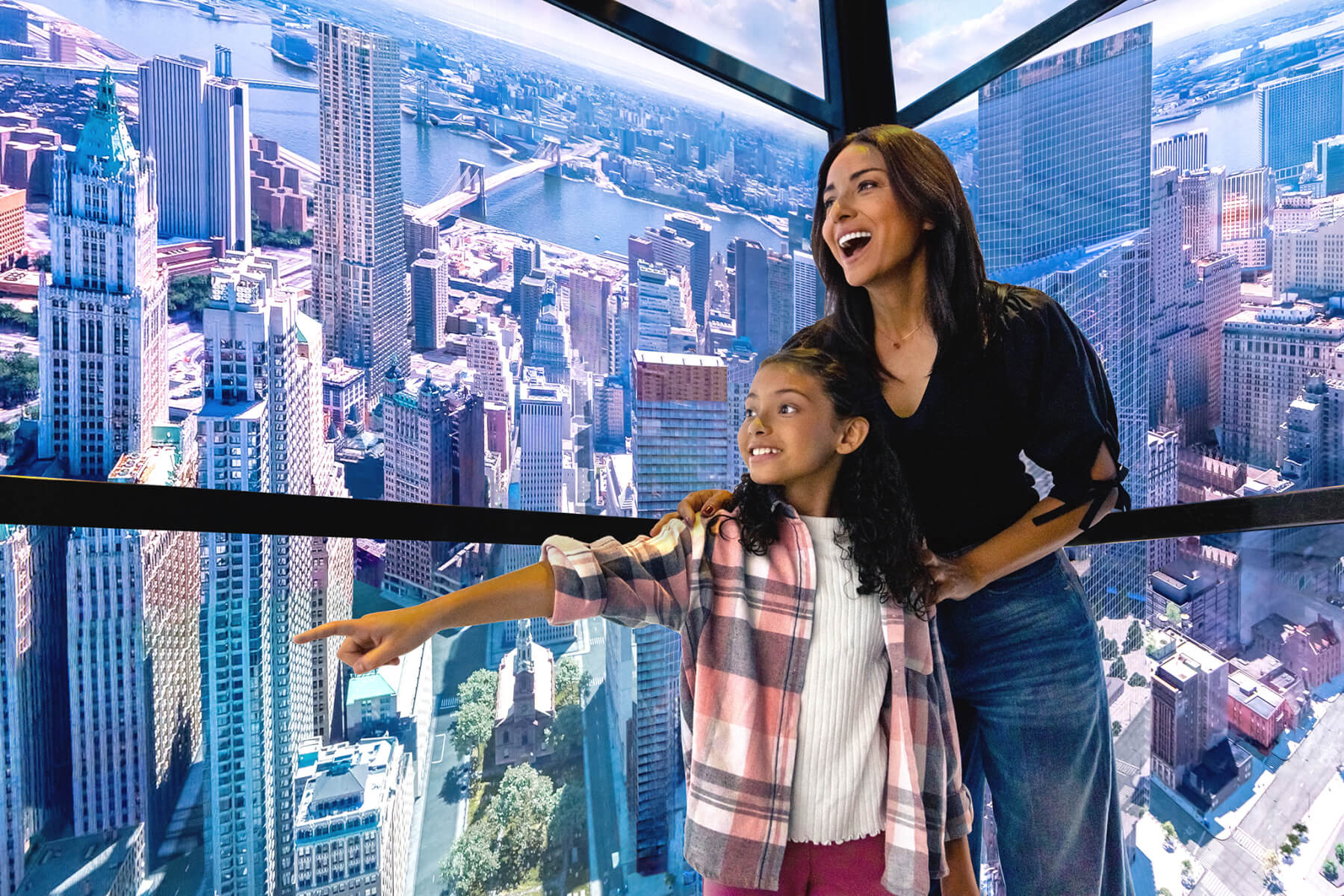
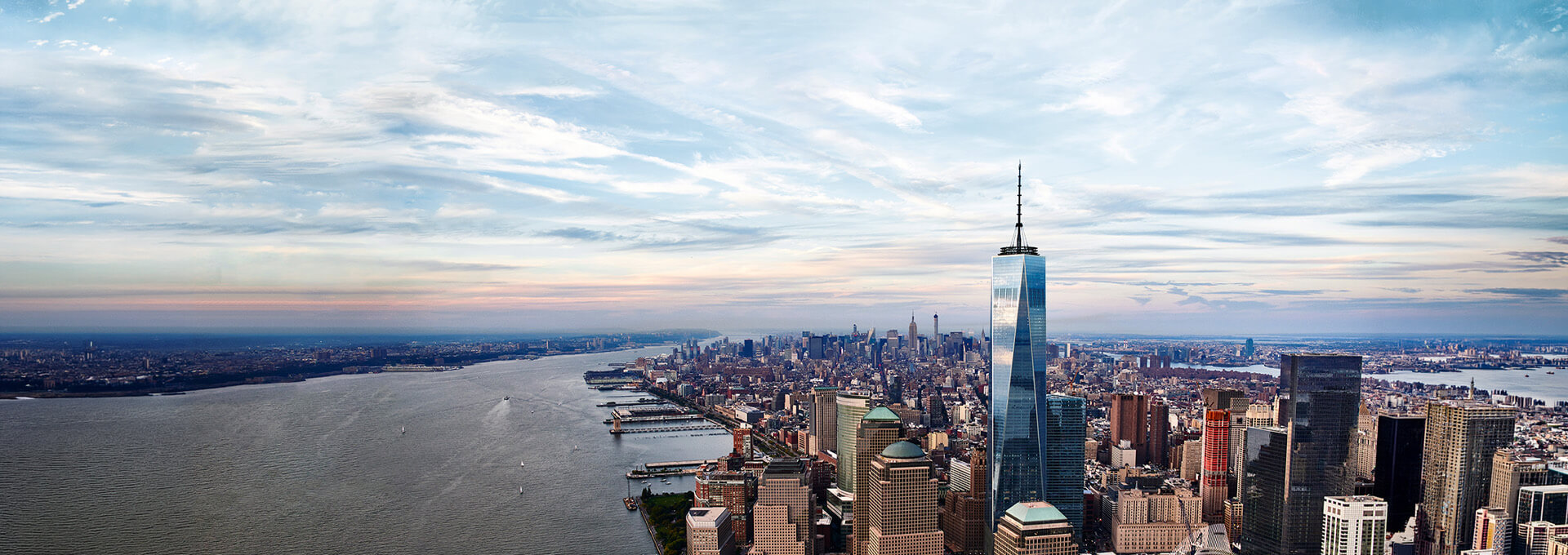
At One World Trade Center, the observatory sits within a landmark that is already part of the city’s contemporary story. That gives the visit a clear geographic starting point: Lower Manhattan, the harbour edge and the dense grid extending north. Visitors can use the skyline as a map, locating familiar buildings and waterways rather than treating the panorama as an undifferentiated sweep. The observatory information provides the official setting for planning that visit.
The indoor format is an important part of the proposition. It makes the experience less dependent on standing outdoors, and it creates room for the attraction to guide visitors through the ascent and the view. For families, mixed-age groups or anyone planning around uncertain weather, that can make the observatory easier to fit into a day. The official visitor overview can help confirm opening details before travel.
There is a trade-off in that focus. This is a deliberately elevated, enclosed viewpoint, so it will not replace a neighbourhood walk or an open-air waterfront stop. Visitors who want street-level discovery should pair it with time outside. Those who want a contained landmark experience may find that a more natural fit. The setting is the context; it is not the whole itinerary. Check current admission details as you build the route.
A first visit often works best when people give themselves time to look around rather than rushing straight to a photo. The indoor setting supports that slower read of the city, particularly when the group has different interests. The official observatory page outlines the visit environment. One person can focus on the harbour, another on the buildings, while children may respond most to the movement and scale.

The SkyPod turns arrival into part of the story
The brand’s most immediately distinctive feature is the SkyPod elevator. One World Observatory says it rises through 102 floors in 47 seconds. The lift is therefore more than a practical transfer: it frames the transition from street level to the skyline and gives visitors a short, designed introduction to the building and city. Read the official SkyPod information alongside the visit details.
That sequence matters for a brand built around a view. A conventional observation deck can make the elevator disappear from the memory of the visit; here, the journey upward is described as one of the attractions. It also creates an easy narrative for people visiting with children or guests who appreciate a little orientation before reaching the windows. We would treat the stated ride time as an official feature description, while checking current visitor guidance for any operational changes.
Once upstairs, interpretation is what helps a panorama become more than a backdrop. The observatory’s experience is designed to give visitors ways to connect what they see with the place below. Its official visitor guide is useful context before arriving. This is a useful distinction for first-timers: the value is not only in taking a high viewpoint, but also in spending time noticing how the city’s districts and landmarks relate to one another.
For an itinerary, the practical sequence is straightforward:
- Choose a visit window that leaves room to explore the observation floors.
- Check the official entry information and any current operating notes before booking.
- Decide whether a self-directed visit, added flexibility or a guide best suits the group.
- Leave space before or after the observatory for a ground-level Lower Manhattan stop.
These steps are modest, but they prevent a common planning mismatch: booking the most elaborate format when the group really wants a simple view stop, or choosing a basic entry when a more guided experience would make the visit easier to follow. The official ticket page sets out the current options, including the standard visit format.
The ticket range changes how the visit is organised
The ticket names point to different kinds of convenience rather than different observatories. Standard General Admission is the cleanest starting point for visitors who want entry and prefer to organise the rest themselves. It suits people with a flexible day plan and no need for a hosted visit. See the Standard General Admission details for its current terms.
Combination Experience adds a distinct extra to the admission format, so it is worth checking the official description carefully and asking whether that inclusion fits the group’s plans. A combination option is most useful when its added component was already something the visitor wanted, not simply because a longer ticket name sounds more complete. Compare the Combination Experience details with your plans.
All-Inclusive Experience is framed around greater flexibility and priority features, according to the ticket menu. This can appeal to visitors whose schedule is tight or who value some control over arrival. The caveat is simple: if the day is already relaxed, paying for flexibility that goes unused may not improve the experience. Review the All-Inclusive format before deciding.
VIP Tour is the choice for those who want an escorted entry and guided context. For a first-time visitor who enjoys hearing how a place fits into the city, that structure may make the observatory easier to read. Independent explorers may prefer the freedom of general admission. The VIP Tour listing clarifies what the hosted version adds. In either case, confirm the ticket’s current inclusions and schedule on the official page.
One way to decide is to name the thing you want the ticket to solve:
- Keep it straightforward: start with Standard General Admission.
- Add a planned extra: compare the Combination Experience details with your itinerary.
- Protect a tight schedule: review the flexibility features of All-Inclusive.
- Get more context: check what the VIP Tour guide and escorted entry cover.
That is a more grounded comparison than treating tiers as a ladder where each step must be better. Convenience has value when used; an upgrade that does not match the group’s pace is just more complexity.
On-site dining extends the stop without defining it
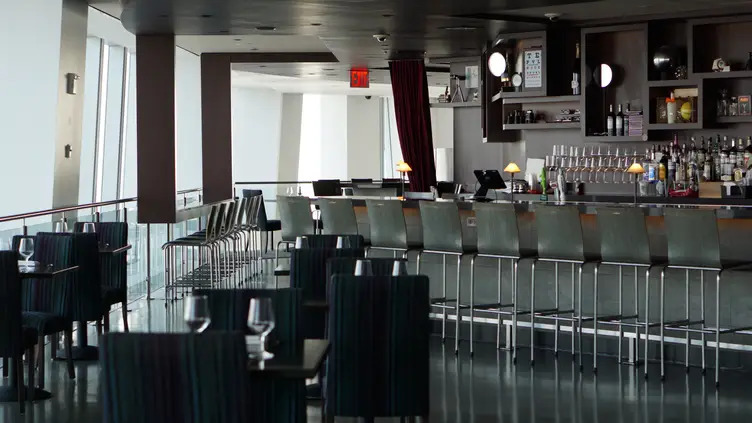
Dining adds another dimension to the brand’s range. Check the official destination information for current visitor and dining details. One Dine gives visitors an on-site place to pause, which can make the observatory feel like a longer outing rather than a quick up-and-down attraction. It may be appealing for groups planning around a meal, but the restaurant should be considered as a separate choice with its own availability and details.
The distinction is helpful because visitors can otherwise assume dining is automatically bundled into admission. Check what each ticket includes and what requires a separate reservation through the official site. If a meal is central to the plan, verify service times and booking terms before structuring the rest of the day around it. This simple check keeps the view visit and meal plan aligned without promising that every option includes the same hospitality.
There is also a matter of pace. Some travellers prefer an attraction to remain a defined block in a busy city day; others like a destination where they can linger. The observatory’s dining option can support the latter, though visitors should judge it against their route and schedule. A skyline stop is at its best when it is planned as part of New York, not asked to do the work of the entire day. The official ticket page can anchor the timing.

The experience suits visitors who value context and a controlled setting
One World Observatory – New York makes most sense for visitors who want a recognisable landmark, a high indoor viewpoint and an arrival experience with a little narrative. It can work well for a first New York trip, a family itinerary or a return visit where Lower Manhattan is already on the route. Those looking for an outdoor deck or an unstructured neighbourhood experience should compare their priorities before committing time.
For many first-time readers, the brand’s appeal comes from the way its parts connect. The building supplies the landmark; the SkyPod gives the ascent a memorable transition; the floors open the view; the ticket menu lets groups choose how much assistance and convenience to add. See the brand’s overview for the full framing. That is a coherent proposition, and it is more specific than simply promising a panorama.
Before booking, we recommend checking four things on the official site:
- Whether the selected format fits the date and pace of your itinerary.
- What priority entry, flexibility or guided elements are currently included.
- Whether dining requires a separate reservation from observatory admission.
- Any current operating notes, entry instructions or visitor policies.
For quick access, readers can revisit the official One World Observatory ticket options, compare the standard entry format with the combination option, and review flexibility features or the guided tour format if those details matter to the group.
Questions visitors ask about the observatory
Is the observatory indoors?
Yes. The official visitor information describes an indoor observation experience at One World Trade Center. Check the site before travel for current access and operating guidance, especially if you are planning around a particular date.
Which ticket format is best for a first visit?
For a straightforward visit, compare Standard General Admission first. Consider VIP Tour if a guide and escorted entry would add value, or review other formats if their specific flexibility or inclusions suit your schedule.
Does every ticket include dining?
Do not assume that it does. One Dine is part of the observatory’s wider offer, but the ticket descriptions and restaurant booking information should be checked separately for current inclusions and availability.
Wrapping up
Our recommendation is to treat One World Observatory as a landmark visit with an intentional arrival and useful indoor context, then choose the simplest ticket that fits your timing. Standard admission is a sensible baseline; a guided or flexibility-focused option earns its place when it solves a real need. The honest limitation is that a polished, enclosed viewpoint cannot replace the feel of exploring New York at street level, and some visitors will prefer an open-air stop.
Check the official observatory details before you set the rest of the day around it. That keeps the view, the ticket format and any dining plans working together.