
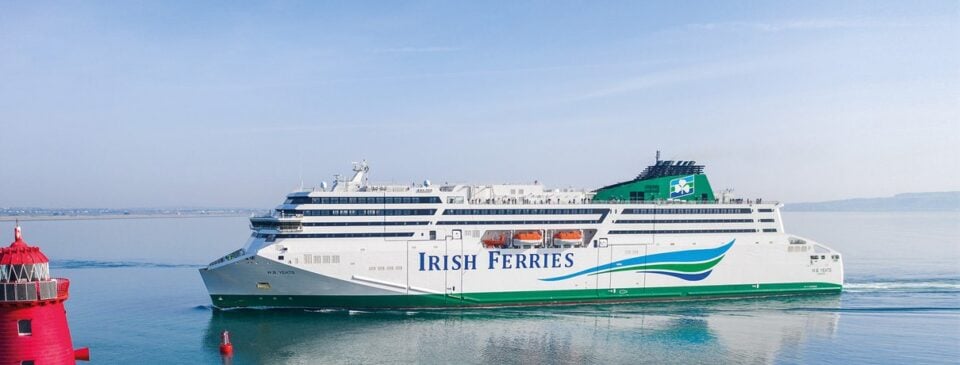
A close look at the W.B. Yeats sailing between Dublin and Cherbourg, its onboard choices and the travellers it best suits.
Choosing a ferry for France is also choosing how the journey itself will work. Irish Ferries’ Dublin-Cherbourg crossing gives travellers a direct sea route, while the ship and the way a party uses its time onboard shape the experience.
This review focuses on the W.B. Yeats, the specific ship serving this route in the offer, and the onboard details visible in Irish Ferries’ UK English information. We have reviewed the published service information, not travelled on the ship. The main question is whether its mix of cabins, places to eat and shared spaces fits the way you want to reach France.
Disclosure: this post includes affiliate links, and we may be paid a commission on purchases made through them.
Highlights
- W.B. Yeats pairs the Dublin-Cherbourg route with cabin, seating and public-area choices.
- The direct sea connection may suit drivers who want to bring their vehicle to France.
- Cabin selection is a meaningful comfort decision on a longer sailing; the ship lists several cabin styles.
- Dining, lounge and family spaces give passengers alternatives to spending the whole crossing in their cabin.
See the W.B. Yeats ship profile alongside the Dublin-Cherbourg route details as you plan.
The ship’s details matter most when your party will spend a substantial part of the journey onboard. Start with the W.B. Yeats information and compare it with the Dublin-Cherbourg route before choosing dates and passage arrangements.
W.B. Yeats makes the onboard setup part of the crossing
The W.B. Yeats is not simply a vehicle deck attached to a timetable. Irish Ferries presents a ship with accommodation and shared spaces that give travellers ways to structure a long passage. That matters particularly for families, groups and anyone who prefers a private place to rest rather than relying on a public seat.
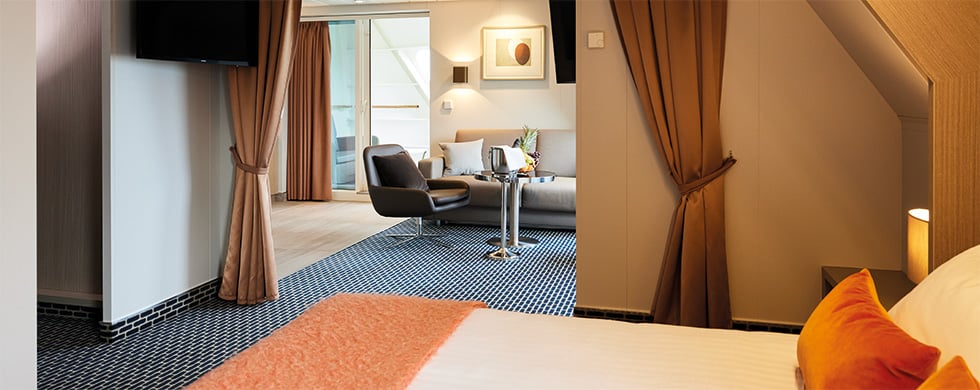
Accommodation choice ranges across cabin types shown on the ship pages, including standard family-style rooms and higher-category suites. The exact layout and amenities differ by cabin, so read the room description carefully instead of treating every cabin as interchangeable. A window, more space, an accessible layout or a private balcony may change how useful a cabin is for a particular party. The available inventory is date-dependent; confirm what appears for the sailing you select.
For a family, the value of a cabin may be less about luxury than having a place to settle children, store hand luggage and take a break from the public areas. Couples may prefer a quieter private space, while a solo passenger should weigh the cabin cost against the length of the crossing and how much time they expect to spend resting. Irish Ferries’ W.B. Yeats cabin information is the right place to compare the listed room styles. Do not assume that a particular cabin or feature is available on every departure.
- Check the stated berth arrangement against the number and ages of everyone travelling.
- Compare cabin location and accessibility details where those affect your needs.
- Decide whether private rest space is important for the full sailing or whether reserved seating is enough.
- Recheck the selected cabin in the booking flow before confirming the passage.
For the ship layout, revisit the W.B. Yeats page while comparing room types and shared areas.
This cabin-first approach is the strongest reason to consider the ship as an offering in its own right. It gives an overnight or extended sea journey a more defined rhythm, although it also makes the final fare sensitive to the accommodation you choose and the date you travel.
Dining and lounges break up time at sea
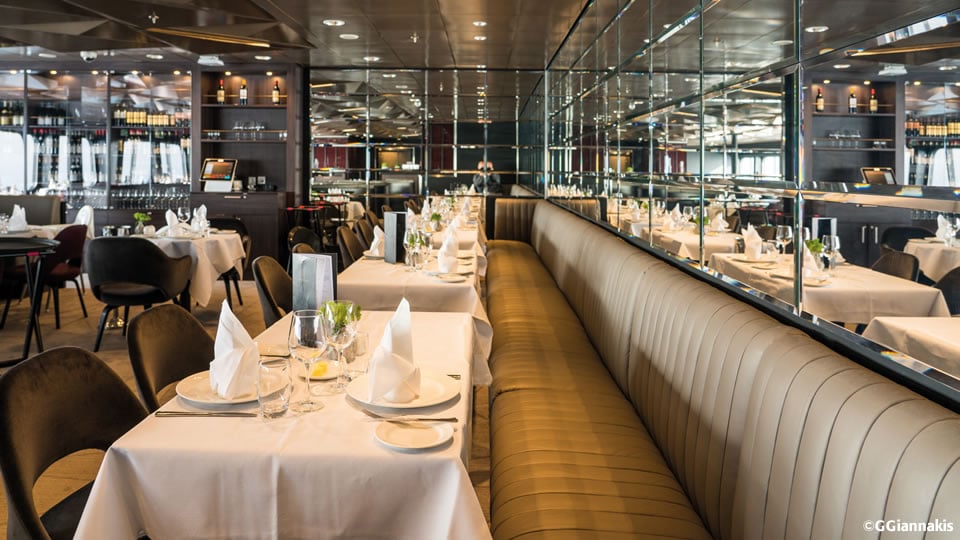
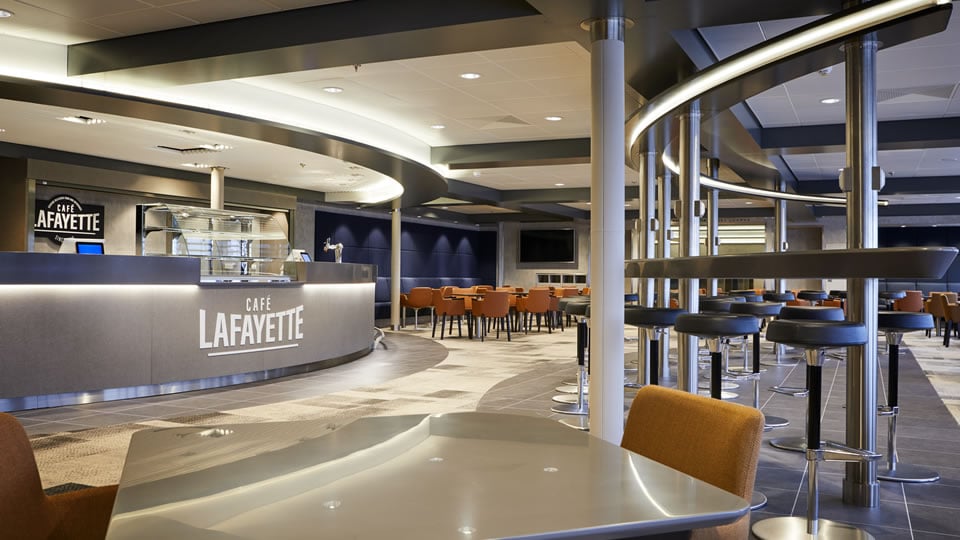
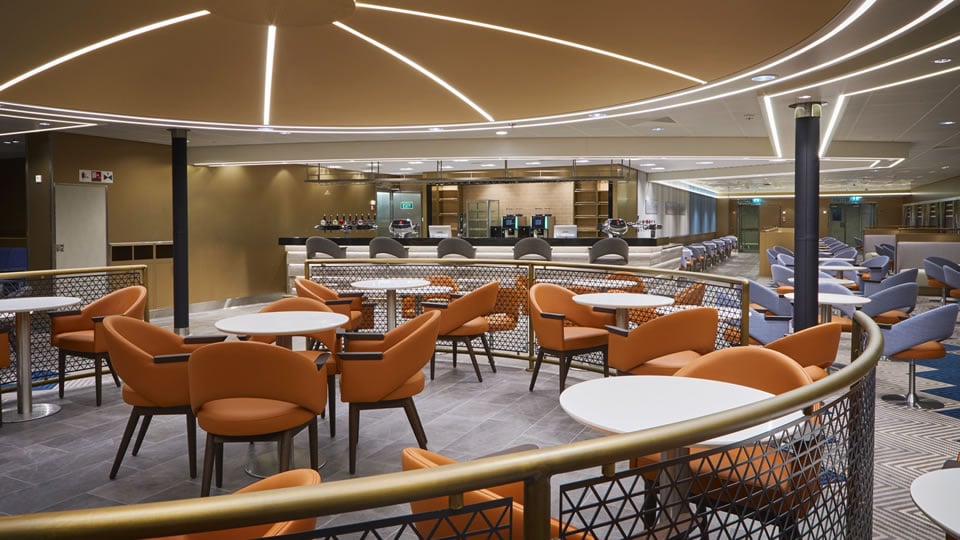
Not every passenger wants to stay in a cabin for the crossing. Irish Ferries highlights several public spaces aboard W.B. Yeats, including dining and lounge areas. The ship information names venues such as Lady Gregory, Café Lafayette and the Maud Gonne bar lounge. These provide different settings for meals, a coffee break or a pause between stretches of rest.
The ship information lets you compare these named spaces with your own priorities.
The practical benefit is choice rather than a promise of a particular atmosphere: families can plan meals around their own pace, while adults travelling together may appreciate having more than one shared setting. Venue opening times, menus and operating details can vary by sailing, so check current onboard information instead of planning around an unverified service schedule. Passengers with dietary requirements should also confirm the options directly with the operator.
Club Class is another choice described by Irish Ferries, but it should be assessed as a specific upgrade with its own terms and availability. It is most relevant to travellers who expect to spend time in the lounge and value a quieter dedicated area. If your priority is simply a place to sleep, compare cabin options first; if you plan to relax in public areas, compare what the fare includes and what is an add-on. The ship’s onboard information can help distinguish those choices.
- Use dining venues as a convenience, while checking current opening and service details.
- Consider Club Class only if its access conditions and lounge use suit your plans.
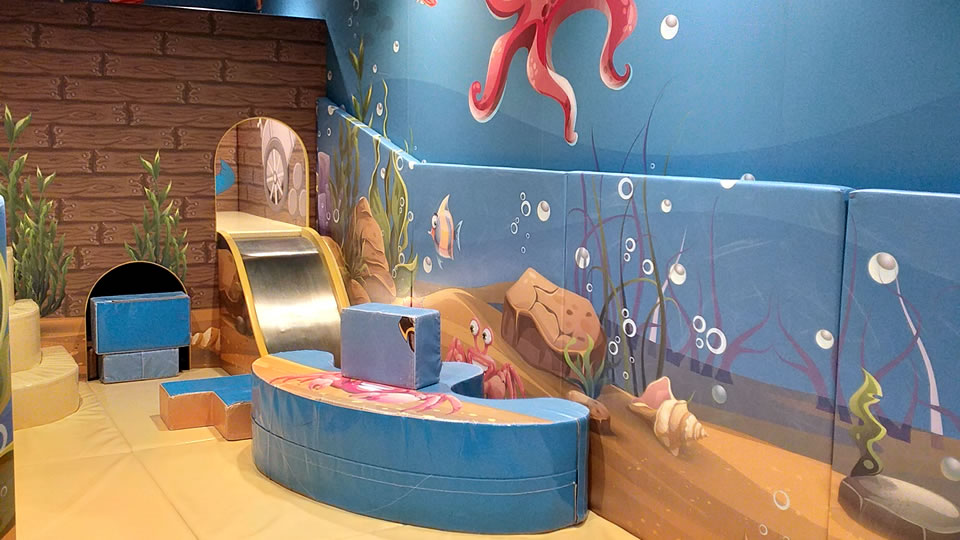
- For children, look at the ship’s family spaces and confirm which facilities are operating.
Irish Ferries’ onboard details for W.B. Yeats are useful when checking what your selected sailing lists.
These shared facilities make the ship a better fit for travellers who like options during a crossing. They do not remove the basic constraint of travelling by sea: your departure and arrival are tied to the sailing schedule, and the trip includes time in transit that a flight does not.
Dublin-Cherbourg suits a planned road journey
The strongest use case for this service is a trip where the ferry is part of a wider itinerary, especially when taking a car to France. A direct Dublin-Cherbourg sailing avoids adding another ferry crossing via Britain, and arriving in France by sea can make sense when the onward plan starts in the north or west of the country. The route is less compelling if your destination is far from Cherbourg and you have not allowed time for the drive after arrival.
Check Dublin-Cherbourg sailing details for your chosen travel dates.
Vehicle and foot-passenger arrangements are not identical. Drivers can continue with their own vehicle after disembarking, while foot passengers need to think through onward transport from the port. That connection is a key limitation: before booking as a non-driver, check available connections at both ends, how you will reach accommodation, and whether the times work with the sailing. The ferry itself cannot solve the last mile.
Start with the route timetable and port information when building a connection.
Timetable, port arrival instructions, check-in cut-offs, baggage rules and pet requirements are the practical details to verify for your exact trip. These can depend on passenger type and sailing, so avoid relying on assumptions from a previous journey or a different route. The Dublin-Cherbourg route page and the booking flow are the relevant references for current conditions.
The booking choice rewards careful comparison
For this service, the total cost is shaped by the selected sailing, passenger count, vehicle details and onboard choices such as cabin category or optional extras. There is no single useful fare to quote without those inputs, and prices can change. Enter the trip details in the Irish Ferries booking journey and compare the available combinations for your own dates.
The sailing options and onboard information answer different parts of the booking question.
It helps to decide priorities before you reach the final selection. A useful short list is:
- Choose whether you need to bring a vehicle or travel as a foot passenger.
- Pick a date range that gives flexibility if the preferred sailing or cabin is unavailable.
- Settle the cabin question based on rest, privacy, access and party size.
- Review any extras separately so the booking reflects what your group will actually use.
- Read the change, cancellation and check-in terms attached to the selected fare.
To see the options together, open the route listing and compare the ship facilities.
That process can make a crossing easier to compare against other ways of reaching France. The ship’s cabins and onboard facilities are genuine strengths for travellers who want the sea journey to feel manageable, but they do not make every itinerary convenient. A tight schedule, a destination far from Cherbourg or an unresolved foot-passenger connection can outweigh the appeal of a direct sailing.
W.B. Yeats suits travellers who want room to settle in
We would shortlist W.B. Yeats for a driver planning a France trip where a direct Ireland-to-France sea leg simplifies the route, and for a family or group that values cabin choice and places to spend time onboard. It may also suit passengers who prefer an unhurried journey and can build the sailing into the holiday rather than treating it as a quick transfer.
The route page sets out the sailing context; the W.B. Yeats page describes the ship.
It is a less natural fit for travellers who need a very short door-to-door journey, have a rigid arrival deadline or cannot easily connect from Cherbourg to their destination. Foot passengers should be especially deliberate about onward transport. The range of onboard options is helpful, but it cannot compensate for an awkward itinerary or guarantee that a preferred cabin is available.
Passengers weighing cabin choices can return to the W.B. Yeats accommodation information before deciding.
Because this is an information-based review, the recommendation rests on the operator’s route and ship details. Check the W.B. Yeats facilities and the route’s current sailing choices together; booking one without checking the other may leave a mismatch between the crossing and your plans.
Is W.B. Yeats the ship for every Dublin-Cherbourg sailing?
Irish Ferries identifies W.B. Yeats as a ship on the route, but vessel assignments and availability can vary. Check the details shown for your selected departure rather than assuming every sailing uses the same ship.
Should I book a cabin for the crossing?
A cabin is most useful if private rest, family space or an accessible room matters to your party. Compare the cabin’s listed layout and terms with reserved seating and the length of your planned journey before deciding.
Can foot passengers use the route?
Irish Ferries serves vehicle and foot passengers, but foot passengers need to plan their onward connection from Cherbourg and to the departure port. Confirm transport availability and timing for your dates before selecting a sailing.
Wrapping up
W.B. Yeats is a considered choice for travellers who want a direct Dublin-Cherbourg sea crossing with meaningful onboard accommodation and shared-space options. It is particularly persuasive when a car, a flexible itinerary or family-friendly rest space makes the ferry useful beyond the crossing itself.
The honest limitation is that the sailing takes planning on both sides: timetable, cabin availability and onward travel all affect whether it fits. Compare the live sailing and onboard choices against your route before committing.