
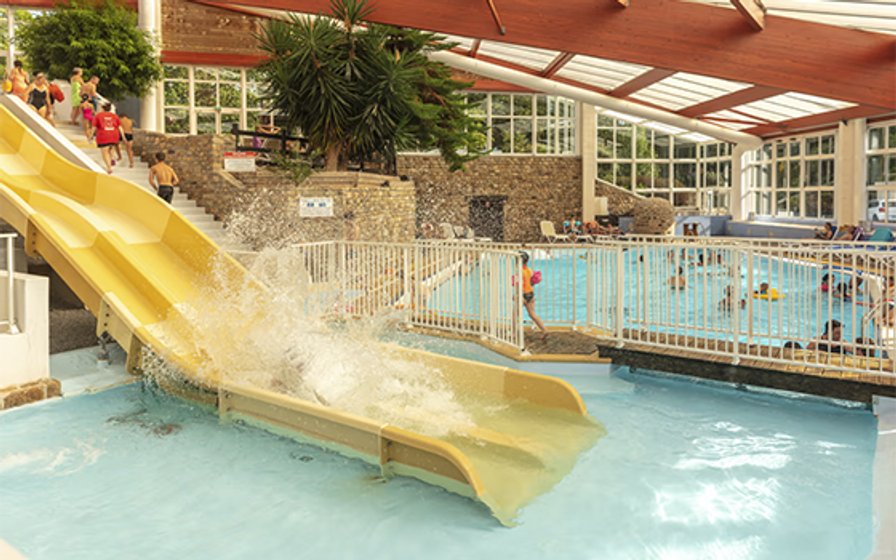
A research-led look at Irish Ferries’ France routes and holiday options, including the practical limits that matter when choosing how to travel.
Choosing a ferry operator for France is really a question about the whole journey: where it starts, whether a car is useful, and how much of the holiday should be arranged before departure. Irish Ferries brings several of those decisions together, but the options serve different starting points.
We reviewed the information on the UK-region Irish Ferries site, including its France route and holiday pages. The main appeal is breadth: a direct Ireland-France crossing, a Dover-Calais service, rail combinations and holiday stays appear in one planning ecosystem. That convenience still depends on matching the route and destination to your actual itinerary.
Disclosure: this post includes affiliate links, and we may be paid a commission on purchases made through them.
Highlights
- Dublin-Cherbourg is a useful option for Ireland-based drivers bringing their own vehicle.
- Dover-Calais is aimed at trips already starting in Britain, with onward driving to plan.
- Sail & Rail gives car-free travellers a ferry-and-train route to consider.
- Eurocamp parks add accommodation and on-site facilities, which vary by property.
The route choice depends on where the road trip begins
For a holiday that starts in Ireland, the clearest fit is the Dublin-Cherbourg route. The service makes sense for travellers who want to take their car and continue by road after reaching Normandy. It can reduce the need to organise a separate vehicle at the destination, though it also commits the itinerary to a long sea crossing and a drive from Cherbourg.
The route page is the right place to confirm sailing patterns and booking conditions for the dates you have in mind. Schedules can vary by season, and the overall travel day includes port arrival and onward driving, not just time aboard. Our review sees this as a purposeful option for a road trip rather than a universal shortcut. Dublin-Cherbourg route details outline the crossing and route context.

- For an Ireland start, compare Dublin port access and the Cherbourg onward drive.
- For a Britain start, include the journey to Dover in the comparison.
- For a car-free trip, check the rail leg and last-mile transfer.
For people already travelling through Britain, Dover-Calais sailings can fit more naturally. Their strength is the straightforward channel crossing, with the freedom to bring a car and continue into France. The limitation is geographic: a traveller beginning in Ireland may need extra land travel to reach Dover, which can outweigh the simplicity of the crossing itself.
Check the whole route rather than comparing ferry legs in isolation. Arrival port, driving distance, rest stops and the location of the first overnight stay all affect how manageable the day feels. Dover-Calais service information helps establish whether this route belongs in your shortlist.
- Map the drive to the departure port as well as the drive after arrival.
- Check sailing times against accommodation check-in and planned rest stops.
- Compare the route with your actual starting point, not just the crossing duration.
Car-free travel has a different set of connections
The Sail & Rail to France option addresses a different reader: someone who would rather connect ferry and train travel than drive throughout the holiday. It may reduce the need to arrange a car, and it can make sense for a city-focused itinerary where rail connections do most of the work.
The main trade-off is coordination. A combined journey has more handovers than a drive-on ferry trip, so transfer timing and the final station-to-accommodation leg matter. The route is not automatically simpler for every destination, particularly where a holiday home or rural stay is involved. Confirm the current connection details and what each ticket covers before building the rest of the plan around it.

This is one area where the brand’s breadth is useful: the regional site lists different ways to assemble a France trip. But the site overview does not by itself settle the best connection for a particular arrival city or travel date. Make that decision against the full door-to-door itinerary.
Eurocamp makes the stay part of the booking decision
Irish Ferries also features Eurocamp holiday parks in France, turning the choice from a crossing-only decision into a route-and-stay plan. A park can suit families and groups who value shared facilities and a base for exploring nearby areas. The specific experience depends on the property: pool provision, activities, location and accommodation formats are not identical across the range.
The Château de Lez-Eaux page imagery highlights outdoor and water-play facilities, while the wider park collection includes different locations and amenities. Treat those as examples, not promises about every park. Review the selected property’s details, dates and accommodation description before assuming a facility is available throughout your stay. Eurocamp park options provides the regional overview.
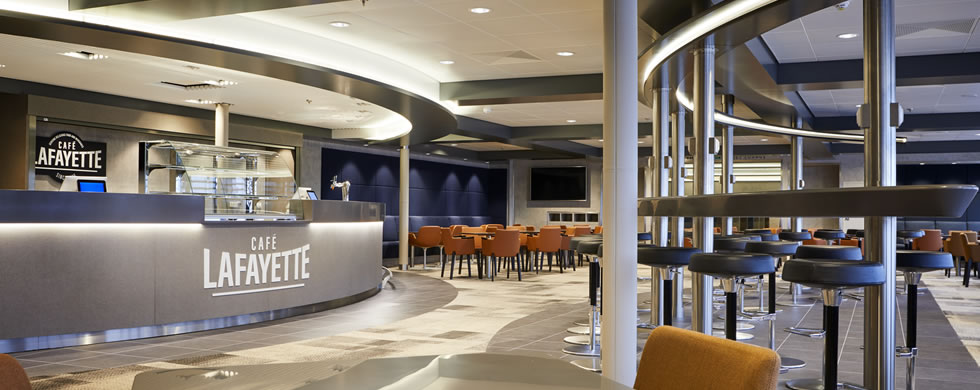
Bundling crossing and stay planning in one place can save browsing time, but it can also make a package feel more joined-up than the underlying choices really are. Check whether the accommodation location works with the port you arrive at, how much driving remains, and whether the park suits your preferred pace. Browse France holiday parks to compare the properties on offer.
- Check the park’s exact location against your arrival port.
- Read the accommodation details for sleeping arrangements and included facilities.
- Look at the surrounding area if day trips are part of the plan.
A route comparison is most useful when the purpose of the trip is already clear. For a touring holiday, flexibility and luggage capacity may matter more than a simple port-to-port comparison. For a fixed base, distance from the arrival port and check-in timing may be more important than having several routes available. The Dublin-Cherbourg route page and Dover-Calais route page should therefore be read as separate journey choices, not interchangeable products.
The same principle applies to holidays. A park booking can make sense when the group expects to spend meaningful time on site; if the plan is to explore a new town each day, a fixed location may add driving. The France Eurocamp collection is a starting point for comparing properties, while the accommodation page should settle the details for your dates. Check park locations and facilities before pairing a stay with a crossing. You can also review the available France parks against the intended arrival port, then compare the Ireland-France route or compare the Dover-Calais service as appropriate.
The main limitation is the amount of trip planning left to the traveller
Irish Ferries offers useful building blocks, but each choice carries a different planning burden. A vehicle crossing gives flexibility while asking the driver to manage a longer travel day. Sail & Rail removes the car but creates transfer dependencies. A holiday park supplies a defined base, though it may not suit travellers who want to change location frequently.
The public pages explain broad options rather than making the itinerary decision for you. Open the Dublin-Cherbourg page and open the Dover-Calais page to check the details for the chosen route. Readers should confirm sailing availability, seasonal operation, baggage or vehicle requirements, connections and property details for their chosen dates. Those particulars can change and should be checked in the booking flow. The value of the brand’s range is therefore strongest when you already know your starting point and rough destination.
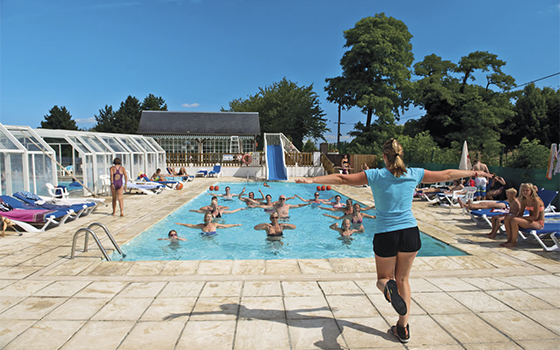
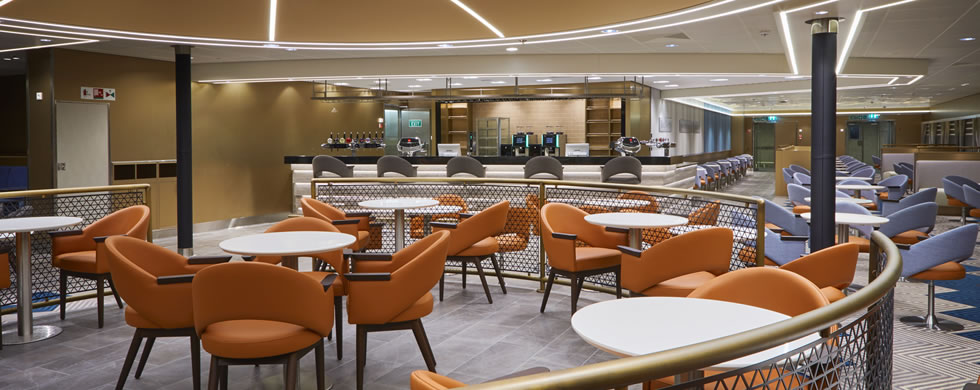
The onboard setting can make a longer crossing more comfortable, but it should remain secondary to route fit. Travellers can review the ship information alongside the sailing they are considering, and then decide whether extra onboard options matter for their party. See route information for the Ireland-France leg.
Irish Ferries suits travellers with a clear route and stay plan
We would put Irish Ferries on the shortlist for a self-directed France trip where the ferry is an intentional part of the holiday. Ireland-based drivers have a clear case for comparing Dublin-Cherbourg; Britain-based travellers can consider Dover-Calais; and car-free visitors may find the Sail & Rail route relevant. The holiday pages broaden the choice for people seeking a park-based stay.
It is a less obvious fit for someone who expects the operator to solve every last-mile detail or who has not yet decided where to stay. Compare the full journey and be comfortable checking the specifics yourself. Review the Dublin-Cherbourg route if Ireland is your origin, or check Dover-Calais sailings when the British route fits better.
Booking details deserve a final pass
Before committing, check the total structure of the travel day: port arrival requirements, crossing departure, arrival time, onward drive and accommodation access. These are practical details rather than weaknesses unique to Irish Ferries, but they influence whether a route that looks attractive on a map works in practice. Make sure the car and passenger details match the booking and check the operator’s current guidance for the crossing you select.
For travellers using rail, inspect the connection sequence and the station at the far end. A convenient ferry does not guarantee a convenient onward train, and a rural park may still require local transport. The regional Ireland-France route information, Dover-Calais information and holiday park listings each answer different parts of that planning question.
Common questions about Irish Ferries to France
Can I take a car to France?
Irish Ferries lists routes where vehicle travel is part of the offer, including Dublin-Cherbourg and Dover-Calais. Check vehicle categories, availability and booking requirements for the exact sailing before planning onward driving.
Is there an option without a car?
The regional site lists Sail & Rail to France, combining sea and rail legs. Confirm current connections and the final leg to your accommodation, since the best fit depends on destination and travel date.
Do all Eurocamp parks offer the same facilities?
No. The park pages describe different locations and amenities. Check the selected property’s own information for facilities, accommodation and seasonal details. Compare the park information before confirming a stay.
Wrapping up
Irish Ferries has a credible range for France travel because it covers distinct route styles and can connect some journeys with a holiday stay. Its strongest recommendation is for travellers who know where they are starting and are willing to compare the complete trip. The main limitation is that route breadth does not remove the need to coordinate transfers, driving and accommodation details.