
Compare the direct Dublin-Cherbourg crossing, Ireland-France SailRail and ferry-linked holiday options by how you want to travel.
Planning a trip from Ireland to France can mean choosing more than a sailing. Do you want the flexibility of bringing a car, a linked public-transport journey, or a stay that is arranged alongside the ferry? Irish Ferries presents options for each, but they solve different parts of the trip.
We reviewed the information on the brand’s UK France pages, including the direct crossing, SailRail and holiday parks. This comparison focuses on what each option includes, what remains for you to organise and the type of traveller each one suits. The right choice depends less on a headline fare and more on your starting point, party size and plans after arrival. The route page is a useful starting point. Compare the route choices with SailRail and holiday listings before you settle on a format.
Disclosure: this post includes affiliate links, and we may be paid a commission on purchases made through them.
Highlights
- Dublin-Cherbourg is the direct sea crossing for travellers taking a vehicle or building a road trip.
- Ireland-France SailRail pairs ferry and rail travel for people who do not want to drive the whole way.
- Eurocamp holiday parks make more sense when a selected French stay is already part of the plan.
- Compare connection points, accommodation, vehicle needs and booking terms before choosing.
Dublin-Cherbourg suits a trip built around driving
The Dublin-Cherbourg crossing is the most straightforward match for travellers who want to bring a car from Ireland and continue their journey on French roads. The Dublin-Cherbourg route page gives a focused view of this sailing, while vehicle and foot passenger arrangements depend on the chosen departure. For a family with luggage, mobility equipment or a touring itinerary, keeping the car with you can simplify transfers and make stops easier to adjust.
The trade-off is that the crossing is only one part of the drive. The Dublin-Cherbourg route page and journey overview help frame that sea leg, while the booking details clarify what applies to a particular departure. The distance from Cherbourg to your first stop can matter as much as the sailing itself. You still need to plan the journey to Dublin, check sailing times and work out the road leg from Cherbourg. A car also brings its own costs and practicalities, so it is not automatically the economical choice for a small party staying near rail connections. Read the current route details for check-in requirements, sailing availability and vehicle options before settling dates.
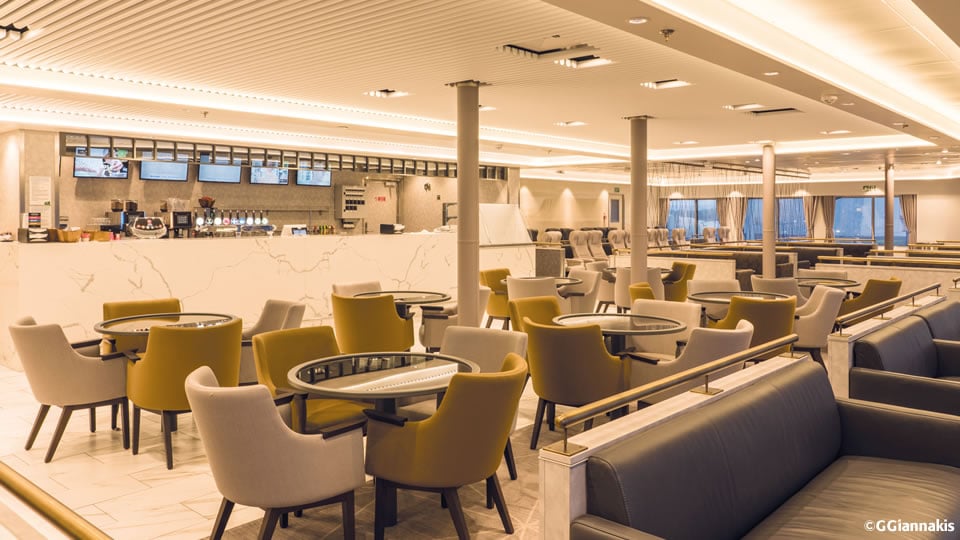
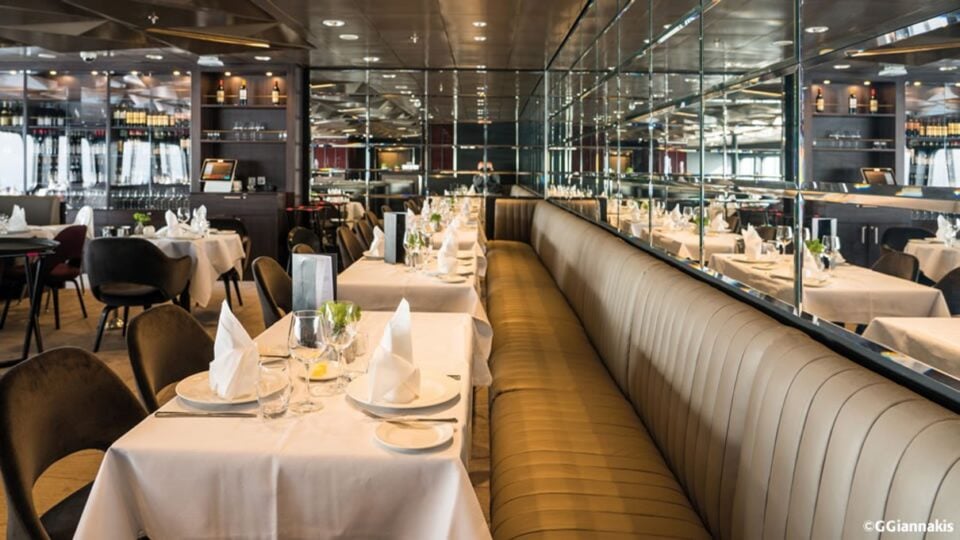
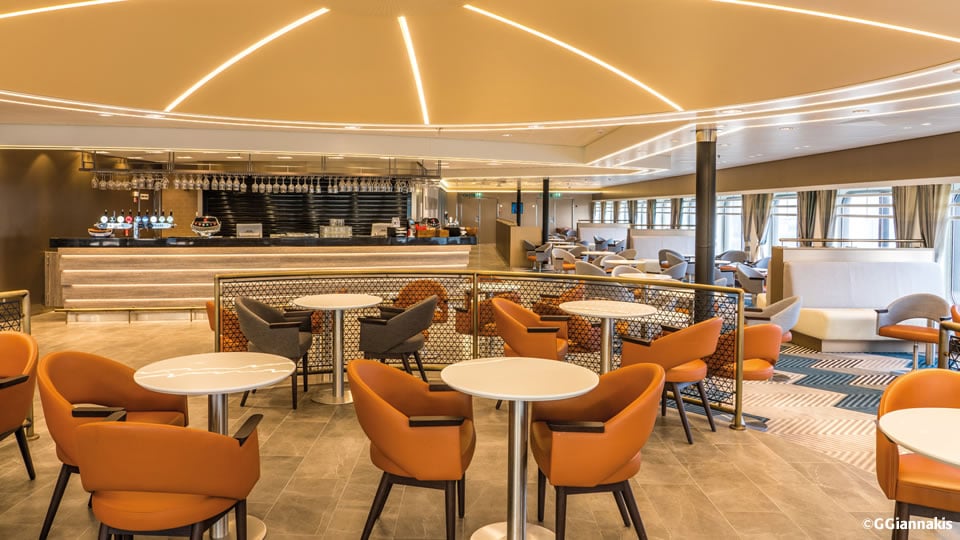
On board, the experience is part of the comparison too. The W.B. Yeats page describes spaces including the Innisfree Club Class Lounge, restaurants and family areas. These are features of the ship, not a substitute for checking which services operate on your sailing. Look at the specific route information when planning the sea leg, then check the onboard facilities and travel options relevant to your party.
For travellers comparing ferry-led travel with other transport formats, consider the complete door-to-door journey, including transfers and onward arrangements. Check the Dublin-Cherbourg sailing details and the current departure information alongside your full travel plan. The comparison changes with your starting point and destination, so map both ends before making a decision. This route is our best fit for independent road travel: people who value carrying their own equipment, changing destinations as they go, or reaching places that would take extra transfers by public transport. It is less compelling when nobody wants to drive or the holiday is centred on one place easily reached by rail.
SailRail suits travellers leaving the car at home
The Ireland-France SailRail option is aimed at a different planning problem. By combining ferry and rail legs, it can remove the need to drive from Ireland through France. That matters for solo travellers, couples and groups who prefer public transport, do not have access to a car, or would rather avoid arranging a long drive after arriving by sea.

The convenience comes with a need to pay attention to connections. Rail travel follows station locations and timetables; your final destination may need another train, local transit or an overnight stop. Check the itinerary as a whole rather than treating the ferry and train as unrelated purchases. The Ireland-France SailRail page is the place to compare the current linked journey information and booking conditions.
Travellers may also compare the linked journey against separate ferry and train bookings. A single combined itinerary may simplify planning, while separately booked legs can give you more choice over departure times or operators. Read the SailRail itinerary information, the route conditions and the available rail connection details carefully. Confirm how delay handling works and leave enough time between legs. The option is strongest when its stations and sailing times fit naturally with your destination. SailRail is the strongest option for car-free travel when the rail network takes you close to where you want to go. It can be a poor fit for a remote rural stay, a large amount of luggage or a schedule that needs frequent detours. Confirm how the components fit together, what is included in the booking and what happens if a connection changes. Do not assume every onward leg is covered just because the journey is described as linked. Read the SailRail page, booking information and travel conditions to establish exactly where your own responsibility begins.
- Map your start point to the ferry departure and onward station.
- Check transfer time between each leg, including the port connection.
- Compare luggage and accessibility needs with the available connections.
- Keep the full itinerary and its conditions together when you book.
Eurocamp adds a stay to the transport decision
A ferry-linked holiday package can suit travellers who have not yet arranged accommodation. Eurocamp holiday parks are one of the French stay options listed by Irish Ferries, and park locations can shape the character of the holiday: a base for day trips, family facilities or a longer stay in one region. The brand’s Eurocamp holiday park listings let you explore participating options as part of a ferry-led plan.
The advantage is planning convenience: transport and accommodation can be considered within one holiday search rather than pieced together from scratch. The limitation is choice. The Eurocamp page, park listings and holiday details are useful starting points, but availability and features vary by stay. Check the current listing closely. A package catalogue is necessarily selective, and a park that fits your dates may not be the best base for your preferred region or activities. Check the accommodation type, facilities, location, availability and package terms directly. The offer page does not mean every park or date is available.
A package should also be compared with booking a ferry and accommodation separately. Independent booking may unlock a wider choice of towns, property styles and dates, while a selected park stay can reduce the number of separate decisions. Review the participating Eurocamp parks, the current holiday selection and the package information against your preferred region. If your party expects to spend most days away from the park, calculate the travel time to planned visits as part of the choice. Choose this direction when a family or group wants a defined base and is happy to organise days around it. It is less suitable if you want to move between several regions, stay in a city, or choose accommodation outside the listed selection. Compare the available park stays with the crossing details and decide whether you value a single planning path more than a completely independent itinerary.
- Check the park’s location against the places you intend to visit.
- Confirm the accommodation format and facilities that matter to your group.
- Review whether travel dates align across the stay and the sailing.
- Read the relevant booking and cancellation terms before committing.
The three options differ most on flexibility
| Option | Best for | Main advantage | Trade-off |
|---|---|---|---|
| Dublin-Cherbourg | Road trips and vehicle travel | Direct sea route with your car | Drive planning continues after arrival |
| Ireland-France SailRail | Car-free itineraries | Ferry and rail legs together | Connections and final-mile travel need checking |
| Eurocamp holiday parks | Travellers wanting a selected stay | Accommodation enters the holiday search | Park choice and dates constrain flexibility |
| Typical independent booking | Travellers with a fixed preference | Freedom to choose separate providers | More coordination across bookings |
These are not three interchangeable tickets. The crossing is transport, SailRail addresses a car-free connection and a holiday listing adds a possible place to stay. A typical alternative is to book each part independently, which can widen your choice but also makes you responsible for checking timing and terms across separate bookings. Compare the route, rail journey and holiday choices based on the whole trip, not just the first leg.
Choose by the trip you actually want
Our use-case winners are clear. Choose Dublin-Cherbourg for a road trip, especially when bringing a vehicle solves the onward journey. Choose SailRail for a car-free itinerary with workable rail connections. Choose Eurocamp for a planned park-based holiday where accommodation and transport can be considered together. For a city break or a multi-stop tour, independent booking may give you more control.
Before booking, compare departure dates and availability, the full route to your destination, how much luggage you will carry, and what the fare or package actually includes. Read the current terms rather than relying on assumptions about changes, missed connections or accommodation. These checks reveal whether convenience is worth the limits of a linked option. Revisit the route details, the SailRail option or park information as appropriate before booking.

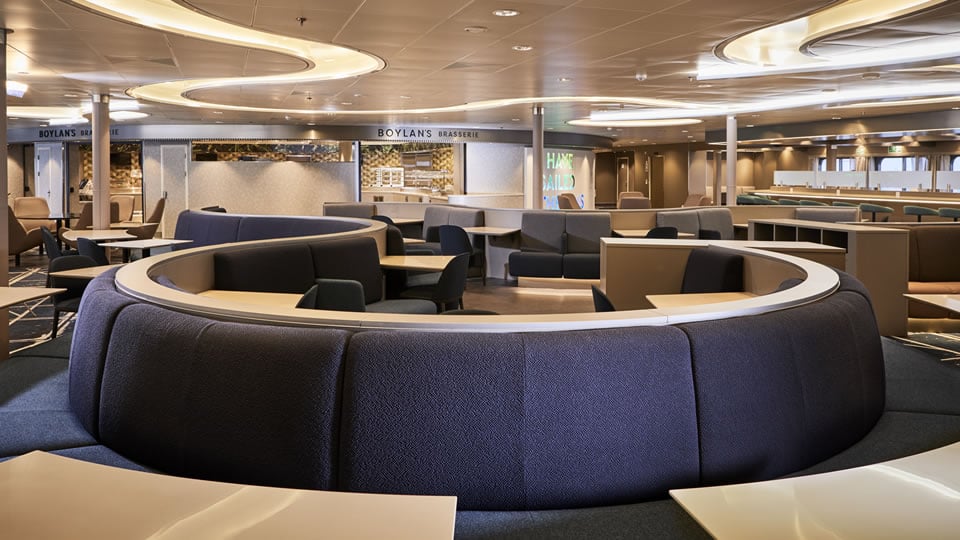
Cafes and restaurants help make a long crossing more comfortable, but they are additional onboard features rather than reasons to choose a transport format. Compare the route page and its sailing details with your priorities.
A sensible shortlist begins with one question: do you need to take a car? If yes, examine the direct sailing first. If not, see whether the rail connections serve your destination. If lodging is still undecided, explore the park options and compare their locations against your plans. You can then check the available Irish Ferries France travel options with a clearer sense of what to compare.
Questions travellers ask about Irish Ferries France options
Is SailRail the same as booking a ferry alone?
No. SailRail combines ferry and rail legs in an itinerary. Check the current details to see what is included, which connections apply and whether you need additional transport to reach your final destination.
Can I take a car on Dublin-Cherbourg?
The route offers vehicle and foot passenger arrangements subject to sailing. Check the live route information and booking details for availability, vehicle requirements and the details that apply to your selected departure.
Does a Eurocamp option include every holiday detail?
Package contents and accommodation availability can vary. Read the listing and terms for the selected stay, then confirm how the sailing, dates and accommodation align before booking.
Wrapping up
For a vehicle-led holiday, Dublin-Cherbourg is the clearest choice; for car-free travel, SailRail is the more relevant comparison; and Eurocamp is worth considering when you want a selected park stay in the plan. Our recommendation is to choose the travel format first, then compare dates, connections and included services. The main limitation is that linked options reduce some of the freedom you get when arranging every part independently.
Use the current Irish Ferries listings to check which route, rail itinerary or park stay fits your dates and destination.