
A research-led guide to the official ticket options, the views and the practical trade-offs that shape a visit.
A visit to One World Observatory – New York is built around a simple proposition: take an elevator high above Lower Manhattan, then look out across the city from an enclosed observation space. The official site adds a multimedia SkyPod ascent and several ticket formats, so the useful question is less whether there is a view and more what kind of visit you want around it.
We reviewed the official visitor and ticket information for this guide. It presents the observatory as an indoor attraction with broad skyline views, dining and optional guided context. That makes it a practical anchor for a New York day, though the best ticket depends on your schedule and whether the included extras would actually be useful.
Disclosure: this post includes affiliate links, and we may be paid a commission on purchases made through them.
Highlights
- Standard General Admission keeps the decision simple when the view is the main event.
- All-Inclusive Experience adds listed dining and retail credits, which matter most if you plan to use them.
- VIP Tour is the guided option for visitors who value explanation along with the panorama.
- The SkyPod ascent and enclosed viewing areas make this a more weather-resilient stop than an open rooftop.
- The official site lists multiple visit options, but current availability and inclusions should be checked before booking.
The observatory makes the skyline the main event
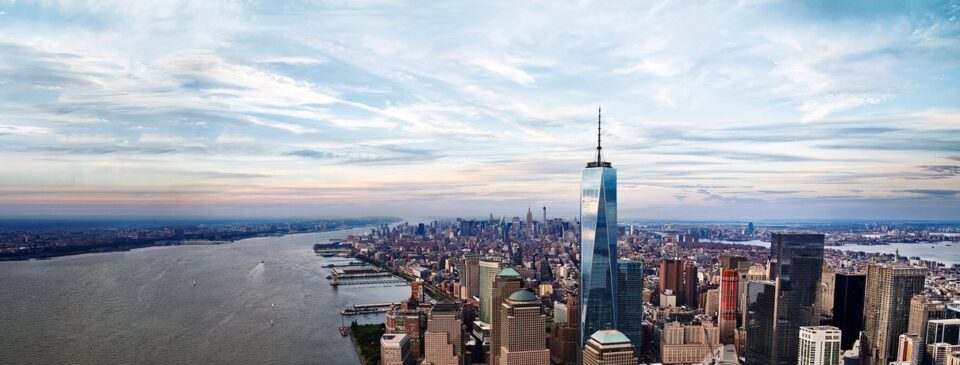
The core attraction is the elevated view from One World Trade Center. Visitors can review the standard ticket details before setting a time. The official site describes panoramic outlooks across New York, with the building itself providing a dramatic setting above Lower Manhattan. Visitors can look for familiar landmarks and waterways from an indoor space, which gives the experience a different feel from a street-level sightseeing stop.
The journey upward is part of the visit rather than just transit. The site outlines the admission experience as the starting point. SkyPod is presented as an elevator ride with a multimedia city-history sequence. That adds a little orientation before the viewing area, though it is still a short presentation rather than a substitute for a dedicated museum visit. Visitors who prefer to move at their own pace can take that context in and then explore independently.

Dining can be part of the visit, but it is best treated as an optional extra. The credit-based ticket only helps when those elements fit your own plans.

The enclosed setting is a useful weather buffer for mixed weather or cooler days. It does not mean every moment is unaffected by conditions: haze can flatten distant views, and busy periods can change how much space visitors have near the windows. Still, a skyline stop that does not depend entirely on standing outside can fit more comfortably into a varied itinerary.
For visitors who primarily want access and time to look around, Standard General Admission appears to be the cleanest starting point. The official admission page is the place to confirm current entry terms. It avoids paying for a guided format or add-ons that may not match your plans, while keeping the observatory’s main features in focus.
Three ticket formats serve different kinds of days
The ticket names signal three distinct approaches. Visitors can compare standard entry, the bundled format and the tour option on their respective official pages. Standard admission centers on the visit itself, All-Inclusive bundles extras, and VIP Tour puts a guide into the plan. The useful comparison is not simply which one is the most comprehensive; check the All-Inclusive inclusions against standard admission and the VIP Tour description before choosing; it is whether the additional elements fit the way you expect to spend time at the building.
| Official option | Best fit | What changes |
|---|---|---|
| Standard General Admission | Independent visit | Core observatory access |
| All-Inclusive Experience | Visitors planning to use extras | Listed dining and retail credits |
| VIP Tour | Visitors seeking guided context | Tour-led visit format |
The Standard General Admission makes sense for a flexible, self-directed visit. You can spend your attention on the view rather than a schedule or included credit. It is especially easy to recommend to repeat visitors, photography-minded travelers and anyone already planning meals elsewhere. Its main limitation is straightforward: it will not add a guided narrative or bundled dining value.

The All-Inclusive Experience is more compelling when its stated dining and retail credits line up with spending you would make anyway. In that case, a bundle can reduce separate decisions during the visit. If you would skip the restaurant or gift shop, however, the credit is not automatically a saving. Read the current inclusions and conditions on the official All-Inclusive page before treating the bundle as better value.
The VIP Tour fits visitors who want more structure or are especially interested in the building and the city’s context. A guided visit can help first-time visitors connect the view to a broader story, and it can be a good choice for someone who prefers an organized experience. It is less compelling for travelers who enjoy exploring at their own pace or want to keep their schedule open. Check the VIP Tour details for the current description of what the tour includes.
- Choose standard admission if you mainly want the view and independent time.
- Consider All-Inclusive when dining and retail credits match plans you already have.
- Choose VIP Tour when guided explanation is a meaningful part of the outing.
- Compare the current entry terms and availability on the official ticket pages.
Timing and conditions shape the value
A visit works best when it has room in the itinerary. Even with a timed entry, visitors need time for arrival, security and the elevator sequence, followed by enough time upstairs to enjoy the view without watching the clock. The official ticket pages are the reliable place to check arrival instructions, operating information and any date-specific rules before you commit.
Visibility is worth considering when the skyline is your central reason for going. Weather can change how far you can see, and the observatory cannot control cloud cover or haze. If your schedule allows flexibility, think about where this stop sits in the day and whether another nearby activity can fill the time if conditions are poor. The indoor setting remains useful, but a clear outlook is a separate variable.

The experience also has a distinct location trade-off. Use the ticket page to verify visit details while planning the downtown route. One World Trade Center is convenient for a Lower Manhattan itinerary that includes the 9/11 Memorial area, the Oculus or waterfront neighborhoods. It is farther from Midtown highlights, so visitors should consider transit and walking time rather than treating it as a quick detour between distant attractions. That context can make the observatory a convenient downtown anchor, or an inefficient cross-town add-on.
Some listings on the official site include specific offers or visitor categories. These can change, and eligibility rules may apply, so use the ticket page as the source of truth instead of building a plan around a banner or old listing. The official ticket options let you compare the formats, then confirm availability and conditions for your intended visit.
The strongest fit is a planned Lower Manhattan visit
This attraction suits travelers who want a high viewpoint with some built-in context, especially if they are already spending time downtown. Families and visitors with limited time may appreciate having a clear indoor destination, while couples or solo travelers can use it as a slower pause between walking-heavy plans. The choice between ticket types should follow the people in your group, not the assumption that the most inclusive label is automatically best.

It is a weaker fit for travelers who want an outdoor rooftop atmosphere, who are primarily seeking an in-depth history museum, or who have already booked several observation decks. In those cases, the visit may repeat a skyline experience or feel short relative to the travel time. People with accessibility or mobility questions should check the official visitor information directly for the details relevant to their needs.
Before choosing, it helps to make a short plan: identify what you want from the stop, check the current ticket description, and estimate how it fits with the rest of the day. The official pages for standard admission, All-Inclusive Experience and VIP Tour provide the most direct way to compare what is currently listed. Rechecking before booking is sensible because schedule details and included elements can change.
- Set aside enough time for arrival, entry and the visit upstairs.
- Check visibility and the day’s wider weather before making the observatory the centerpiece.
- Use the Lower Manhattan location to pair it with nearby stops.
- Confirm current ticket inclusions and any visitor requirements on the official site.
Questions visitors ask before booking
Is One World Observatory mainly an indoor experience?
Yes. The official visitor information describes enclosed observation areas, making it a useful option when an open-air rooftop is less appealing. Conditions can still affect visibility, so check the forecast if distant views are a priority.
Which ticket is best for a first visit?
For a first visit focused on the panorama, Standard General Admission is the simplest fit. Consider the VIP Tour if guided context matters, or All-Inclusive Experience if its stated credits suit your plans.
Should visitors choose a bundled ticket?
Only when the additional elements are useful to your group. Compare the current All-Inclusive details with the basic admission option, and check the guided tour description if a hosted visit is more important than dining or retail extras.
Wrapping up
One World Observatory – New York is a strong choice for visitors who want an indoor skyline viewpoint, a memorable ascent and a convenient Lower Manhattan anchor. The core experience is clear, while the ticket range gives visitors room to add food, retail credits or guided context when those extras fit. Check admission details, bundle inclusions or tour information as relevant.
Our recommendation is to start with Standard General Admission unless you can point to a specific reason for a bundle or tour. The main limitation is that views depend on conditions and the visit may duplicate another observation deck. Check the current ticket terms and choose the option that complements your itinerary.