
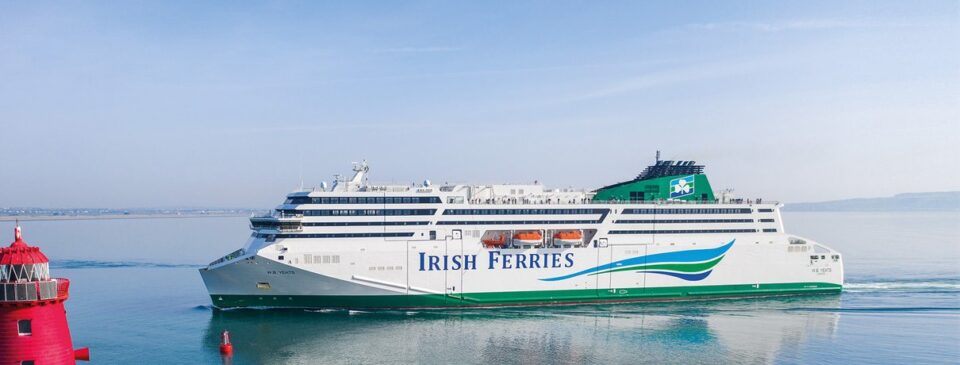
A research-led look at Irish Ferries’ France routes, rail option and holiday stays, with the trade-offs that matter before you plan.
Planning a trip to France through Irish Ferries means choosing among more than one kind of journey. The UK France pages bring together crossings from Britain, a direct Ireland-France sailing, a rail combination and holiday park packages. That range helps when an itinerary is still taking shape, but the options are not interchangeable.
We reviewed the route, booking and holiday information published on the UK France store. The central question is practical: does the service make the crossing fit your trip, or will the route add transport and booking steps that do not suit your plans?
Disclosure: this post includes affiliate links, and we may be paid a commission on purchases made through them.
Highlights
- Dublin-Cherbourg suits Ireland-based road trips that need a vehicle in France.
- Dover-Calais offers a Britain-based crossing, with the onward journey left to arrange.
- Ireland-France Sail & Rail gives car-free travellers a ferry and rail route to consider.
- Eurocamp holiday parks put a French stay alongside ferry planning.
Irish Ferries gives France-bound travellers four distinct starting points
The France store’s main strength is its choice of trip formats. Its Ireland-France crossing and Britain-France crossing entries help make the starting point visible. A traveller can begin with a route, a need to bring a car, a plan to travel by rail, or a preference to bundle a holiday park stay. That makes the site useful early in planning, especially for people comparing how to cross from their current location.
The key limitation is that this is a set of different travel arrangements rather than one uniform service. Some options are crossings, while others add rail or accommodation. Readers should compare the whole itinerary, not just the sailing. The Dublin-Cherbourg option and Dover-Calais option address different departure geographies. Start by checking the Dublin-Cherbourg route against your departure point, then review Dover-Calais if your journey already begins in Britain.
For an Ireland-based driver, the Dublin-Cherbourg route has a clear use case: it connects Ireland and France by sea and keeps your own vehicle available for the onward drive. The crossing may simplify the overall plan and practical packing flexibility if you want to bring luggage, child equipment or outdoor gear without changing to another mode at the port. Check the Dublin-Cherbourg sailing information for the dates and sailing pattern that match your trip.
That directness comes with a planning commitment. You need to get to Dublin, arrive at the relevant check-in, and plan the onward road journey from Cherbourg. Sailing availability and arrival timing should shape the first and last days of the itinerary. The route fits best when driving in France is part of the point, not an unwanted extra. See the Dublin-Cherbourg route page for route-specific booking information.
- Ireland-based drivers can begin with Dublin-Cherbourg.
- Britain-based drivers can weigh Dover-Calais against the drive to and from port.
- Car-free travellers can check Sail & Rail connections.
- Travellers wanting a fixed base can consider a Eurocamp park stay.
Dover-Calais is strongest when Britain is already on the itinerary
The Dover-Calais crossing is the more natural option for a traveller already in Britain who wants to continue by road into France. It avoids routing through Ireland and leaves you with a familiar vehicle-based holiday pattern. Check the Dover-Calais route listing against your intended dates. Irish Ferries lists the crossing as a route option on its UK store; the page is the place to check operating details before fixing travel dates.
Its weakness is also straightforward: this crossing does not solve the journey to Dover or the drive after Calais. If either end requires a long transfer, that time and cost belong in the comparison. Review the Dover-Calais service page alongside the drive to the port, onward distance and accommodation location, rather than treating the sea leg as the whole trip.
A good fit is a Britain-based traveller who values bringing a car and can build the port journey into a wider French road trip. The Dover-Calais crossing page gives the current route details. A weaker fit is someone who wants a city-centre-to-city-centre connection or who would rather avoid driving altogether. For those readers, the France store also presents a rail alternative: Ireland-France Sail & Rail is the car-free option to examine.
Sail & Rail reduces driving but adds a connection to manage
The Ireland-France Sail & Rail offer combines a ferry with onward rail arrangements, creating a car-free way to continue the journey. That is a real point of difference for car-free itineraries for travellers who do not want to take a vehicle overseas. Irish Ferries’ page asks travellers to select a rail station in Britain as part of the booking flow, so the plan involves coordinating the sailing with rail connections.
This choice may suit solo travellers, couples or groups who prefer train travel and want to avoid organising a car in France. It is less attractive if your destination is rural, if your schedule needs several stops, or if you are travelling with bulky belongings. Before booking, compare station access at both ends and allow time for the ferry-to-train transfer. The Sail & Rail page is the source for the booking path. The Sail & Rail details explain the current route structure.
The convenience is conditional rather than automatic: fewer driving tasks can mean more attention to timetables and handovers. Check how the rail segment, ticket delivery and any onward local transport fit your dates. The rail option is most convincing when the destination is well connected and the group is comfortable travelling with luggage between modes. Check Sail & Rail booking information before coordinating onward travel.
Eurocamp is useful when the stay is part of the decision
The Eurocamp holiday parks section connects a ferry journey with accommodation choices in France. For families and longer stays, that can reduce the work of finding and coordinating a separate place to stay. Compare Eurocamp stays paired with ferry planning to separate bookings. It also gives travellers a way to consider the route and the holiday setting together, rather than treating the crossing as a standalone purchase.
The trade-off is a narrower kind of flexibility. A park-based holiday will not suit every destination or travelling style, and a combined booking still requires close attention to dates, accommodation details and the conditions attached to each part. Use the Eurocamp holiday park listings to compare the available stays, and confirm what the selected arrangement includes before you commit.
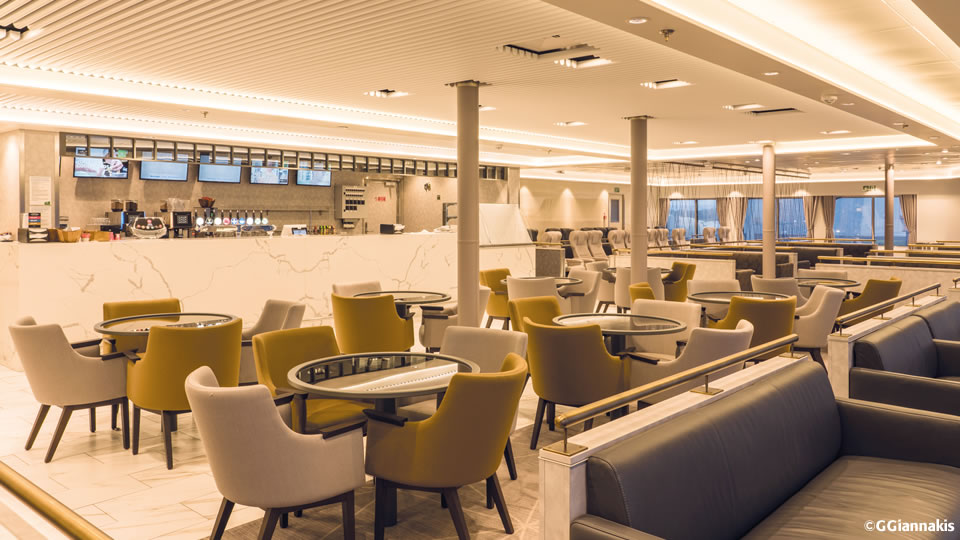
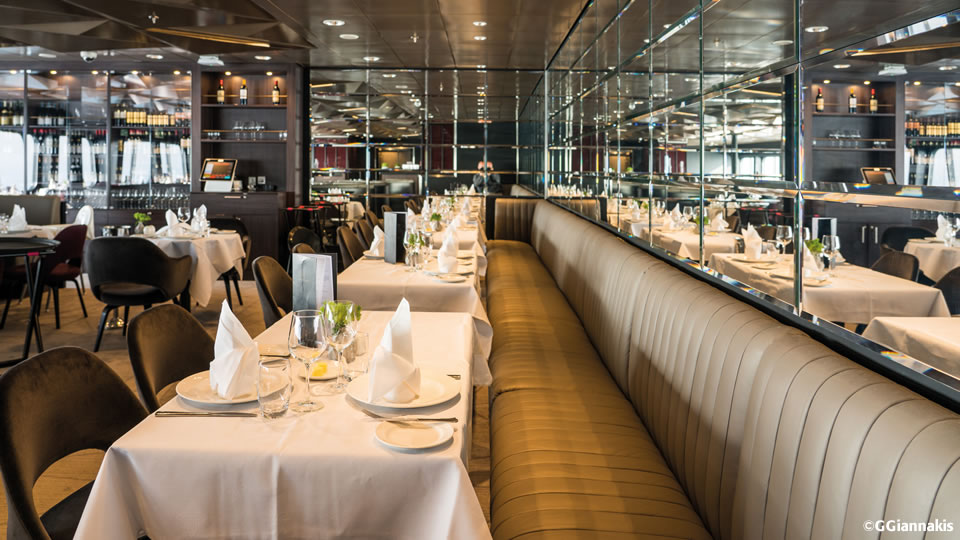
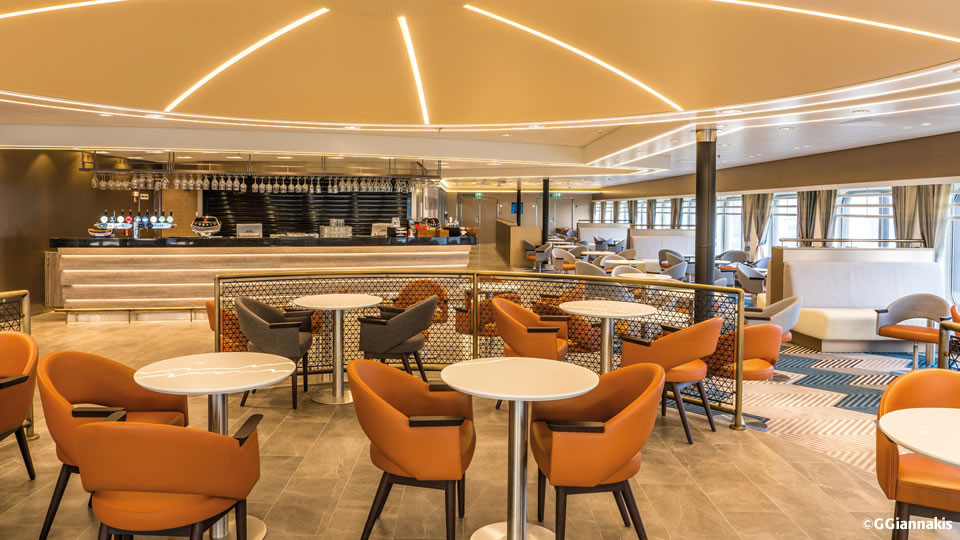
For travellers comparing the crossing itself, onboard facilities can influence comfort, particularly on a longer sailing. They should be treated as supporting details rather than a reason to choose an unsuitable route. Check what is available on the specific sailing and vessel in the current information.
This route into a holiday suits travellers who want a base with facilities and are happy to plan around a chosen park. It is less suitable for a short city break or a trip where each night is in a different place. Browse Eurocamp options in France if a holiday park stay is part of the plan. Accommodation choice, season and booking terms will influence the overall cost, so compare the full stay rather than assuming a package is automatically better value. Review the specific holiday park details before selecting dates.
- Route pages describe the crossing options.
- Sail & Rail joins a ferry with onward rail arrangements.
- Eurocamp brings a park stay into the trip planning.
- Vehicle details affect the booking category and boarding suitability.
The service rewards a clear plan and leaves meaningful details to you
Across all four formats, Irish Ferries’ strongest feature is range: the UK France section gathers options for different starting points and ways of travelling. The site also helps surface route-specific information before the booking stage, including a journey planner that asks about passengers, pets, vehicle type and dimensions. For drivers with a car, campervan or trailer, entering accurate vehicle details matters because the store warns that an incorrectly declared vehicle can lead to additional charges at the port or refusal to board.
The main drawback is coordination that remains. Travellers must choose the route, check schedules, work out port access, arrange any onward rail or road transport, and make sure the selected stay lines up with arrival and departure. The different options do not remove those decisions; they organise them in different ways. Compare the Dublin-Cherbourg route, Dover-Calais crossing, Sail & Rail choice and Eurocamp stay against your own itinerary.
- Check which country and port are practical for the first and last days.
- Decide whether having a car in France is essential or optional.
- For vehicle bookings, confirm height, length and any roof load before selecting a category.
- For Sail & Rail, verify train stations, connections and ticket arrangements.
- For Eurocamp, read the stay details and booking conditions as carefully as the crossing.
Because availability, schedule and fare conditions can change, treat the live booking pages as the source for current details. The service is a strong shortlist for an organised trip for a traveller who can already identify a suitable departure point and travel style. It is a less complete answer for someone who expects the booking page itself to design an entire France itinerary.
Questions travellers ask about Irish Ferries to France
Can I take a car on the France routes?
The Dublin-Cherbourg and Dover-Calais route choices are relevant for travellers planning to bring a vehicle. The booking flow asks for vehicle type and dimensions, so check the selected category against your actual vehicle and roof load before confirming.
Is there a car-free option?
Yes. The UK France store lists Ireland-France Sail & Rail as a ferry and rail arrangement. Confirm the station choices and transfer timing for your exact dates, since the rail connection is part of the practical journey.
Can I arrange accommodation with the crossing?
Irish Ferries lists Eurocamp holiday parks among its France options. Review the particular park, stay dates and what is included in the booking before comparing it with a separately arranged stay.
Wrapping up
Our recommendation is to shortlist Irish Ferries when your trip has a clear departure point and you know whether you want a car, a rail connection or a park stay. The service’s real strength is that it presents several workable France travel formats in one place, including Dublin-Cherbourg and Dover-Calais.
The limitation is that route choice still leaves substantial itinerary planning to the traveller, and a combined booking does not remove the need to check schedules and conditions. If rail or a park stay is a better fit, compare Sail & Rail with Eurocamp and review the full journey before booking.