
Use soil, light, space and flowering season to shortlist DutchGrown™ varieties that make sense for your UK garden.
Choosing plants from a large catalogue is easier when the garden comes first. A flower that looks right in a photograph may still be a poor fit for a dry sunny bed, a small border or the time of year when you want colour.
- Write down whether the site is sunny or partly shaded.
- Check whether the soil stays moist or drains quickly.
- Decide when you want the main flowering display.
We reviewed UK product information from DutchGrown™ to build a practical shortlist around those decisions. The pages describe named varieties and growing details, though the conditions in an individual garden will affect results.
Disclosure: this post includes affiliate links, and we may be paid a commission on purchases made through them.
Highlights
- Choose Trollius Orange Crest for compact yellow orange flowers in consistently moist soil.
- Choose Trollius chinensis Golden Queen for taller globeflowers in damp or clay borders.
- Consider Dahlia Wizard of Lightning for summer flowers and cutting, with plants listed up to 140 cm tall.
- Compare flowering time, height, spread and current availability on each product page before ordering.
Start with the soil and light you have
Write down the conditions in the exact spot before browsing. Note whether the soil stays moist, drains quickly or becomes heavy, and whether the area gets full sun or some shade. These details quickly separate plants with similar colours but different needs. DutchGrown™ product pages make this practical because they describe position and moisture alongside flower appearance.
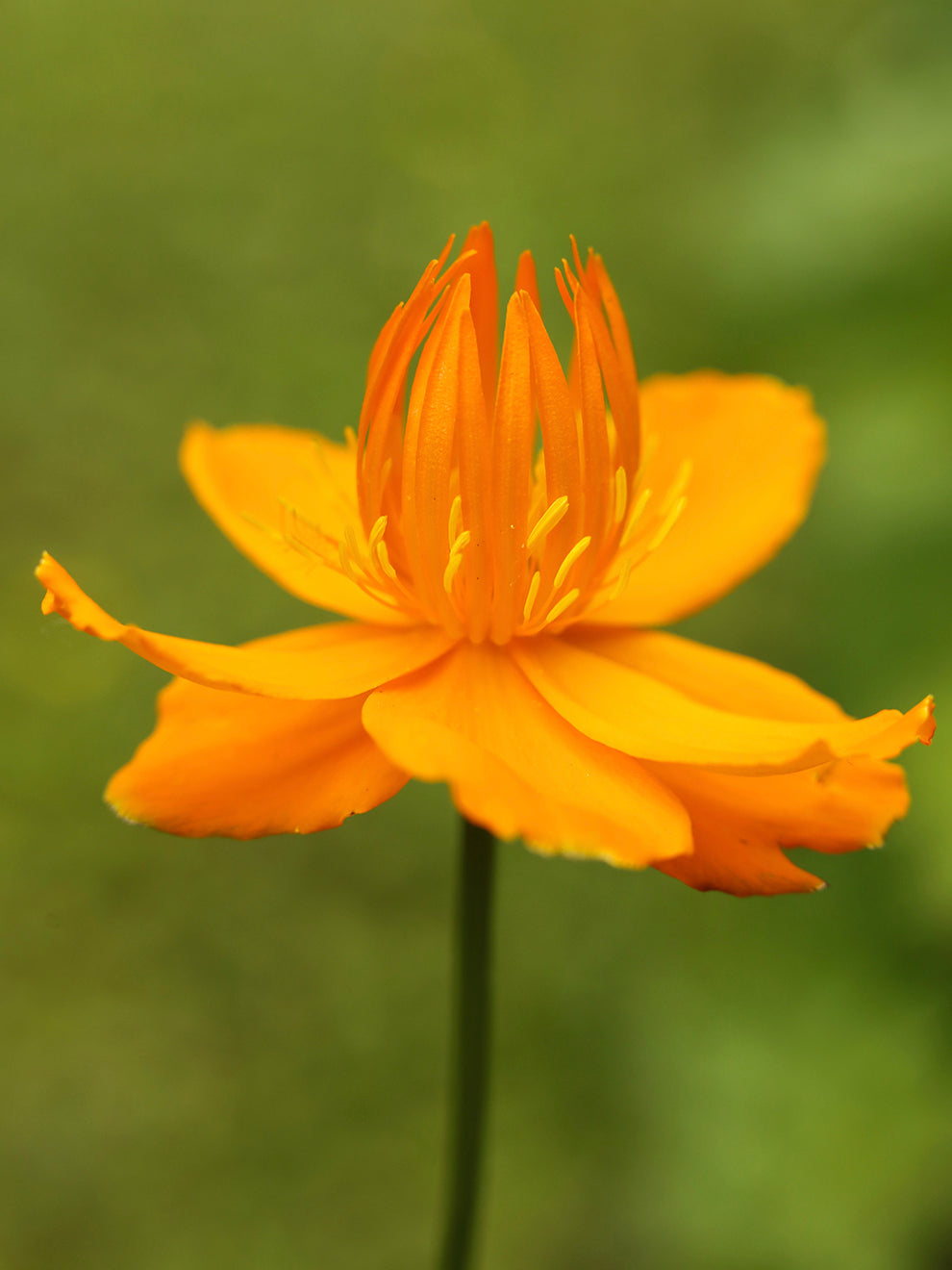
For a bed that remains moist, Trollius Orange Crest is one clear option: its listing calls for rich, humus rich soil that stays consistently moist, and gives full sun to partial shade as its position. The Trollius Orange Crest page describes yellow orange cup shaped flowers with a tangerine centre. Check the DutchGrown™ plant listings for the current range and availability before you plan around it.
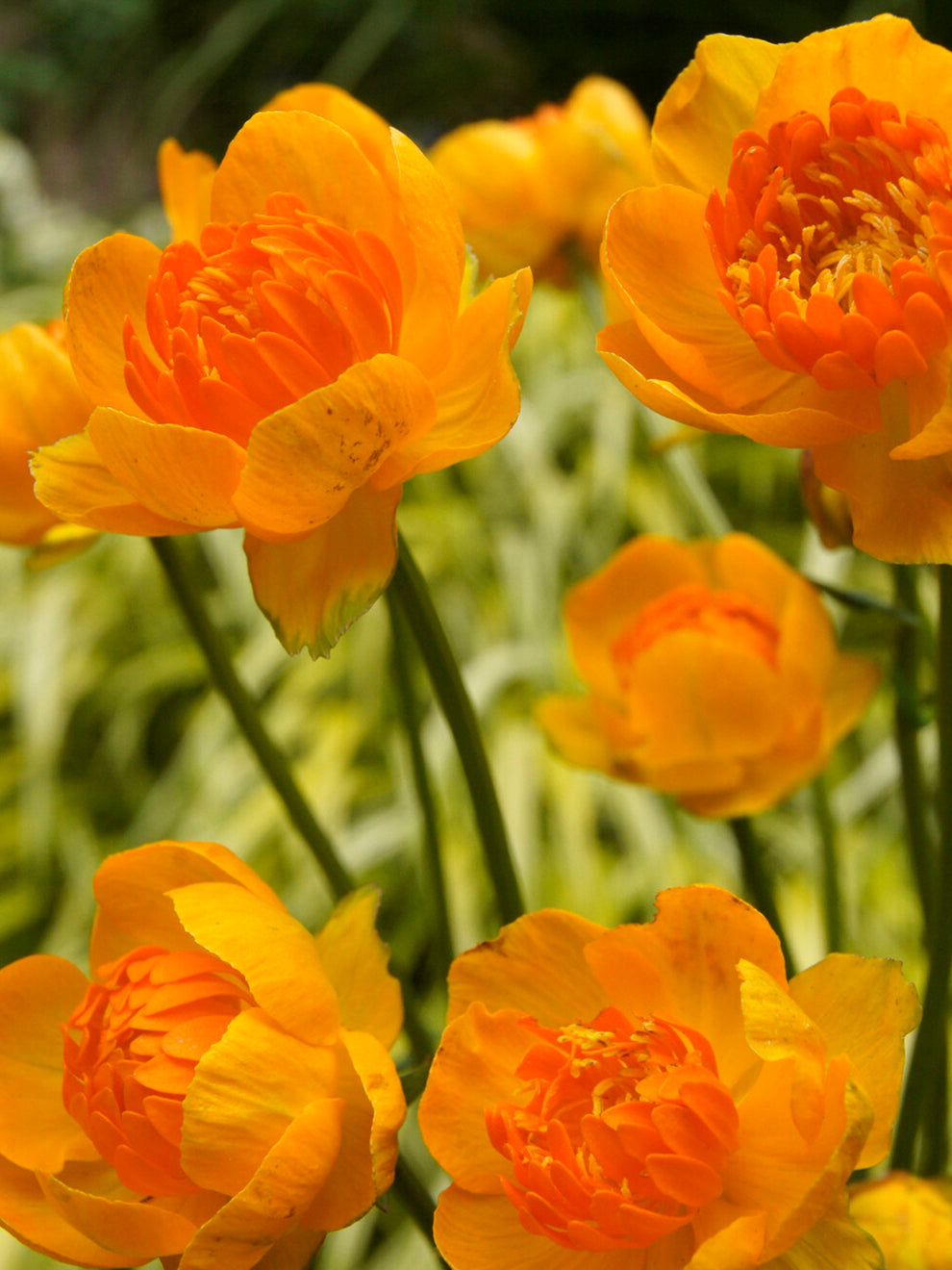
Where soil is heavy or clay based, the listing for Trollius chinensis Golden Queen specifically says it tolerates those conditions and prefers consistently moist to wet ground. That gives it a useful role around a pond edge or damp border, provided the light and space also suit. Its page lists a taller plant than Orange Crest, so compare Golden Queen’s growing notes with the spot rather than buying on colour alone. The UK collection page is the place to check current availability.
Match the plant to its footprint
Height and spread matter as much as the flower head. A low or narrow border can be overwhelmed by a tall plant, while a large gap may need a variety with more height or a grouping of several plants. Use the measurements shown on product pages as a planning reference, then allow room for the mature clump and nearby plants.
- Measure the planting area and note the height of nearby plants or structures.
- Compare both height and spread, not just the flower size.
- Leave room for access, airflow and any staking guidance on the listing.
- Check whether the item is a bulb, corm or perennial plant so the planting task is clear.
The store lists Trollius Orange Crest at 45 to 60 cm tall with a 30 to 45 cm spread, while Trollius chinensis Golden Queen is listed at 60 to 90 cm tall and 45 to 65 cm wide. Those figures help distinguish a smaller border option from one with a stronger vertical presence. Open the Orange Crest listing and the Golden Queen listing together if you are comparing the two for one damp area.
Plan for the season you want
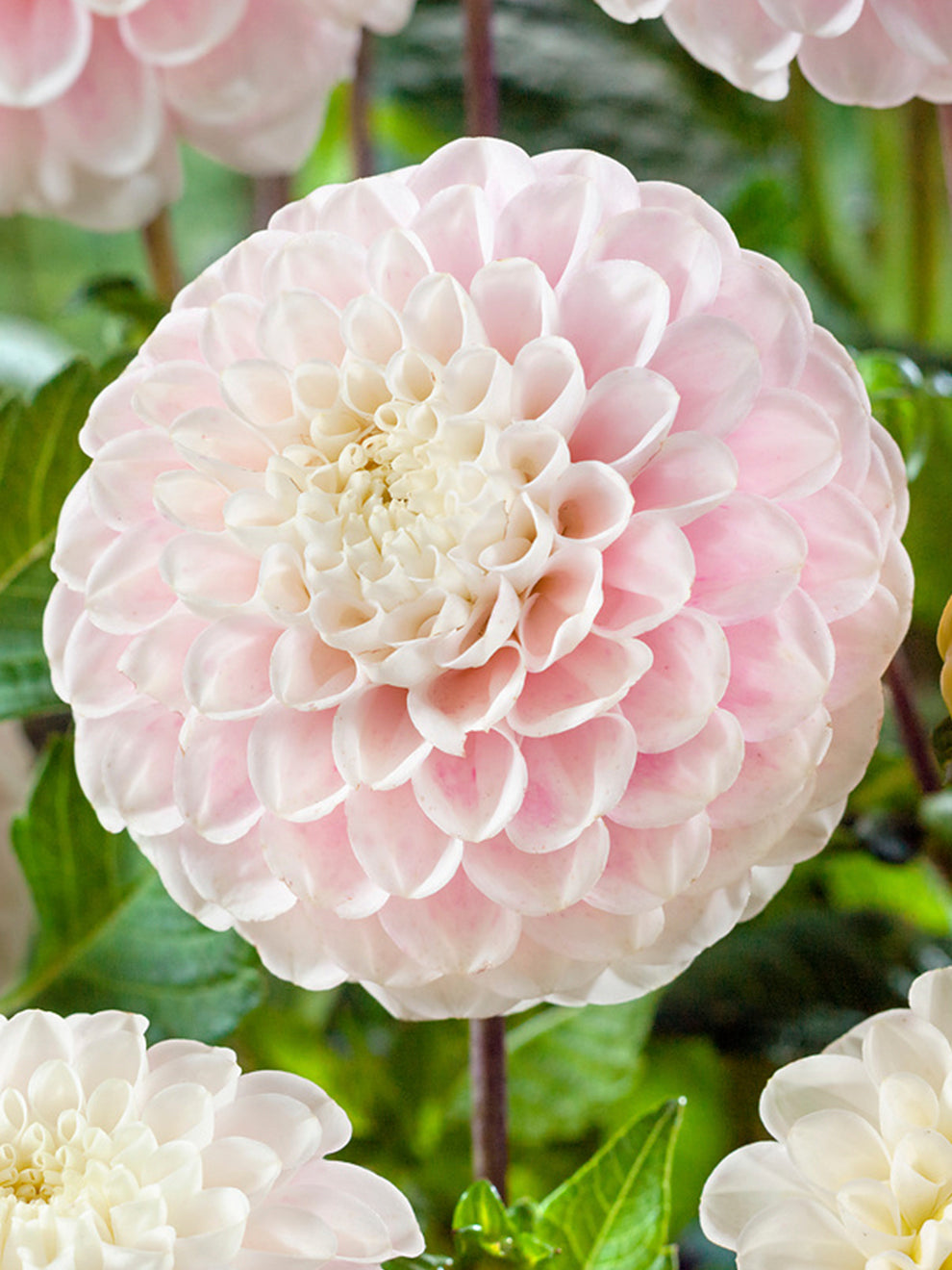
Season can help turn a list of attractive flowers into a sequence. The two globeflowers are described as flowering from late spring into early summer or midsummer. Dahlia Wizard of Lightning is listed as blooming from July, with soft creamy pink colouring and stems suited to cutting. Its stated height can reach 140 cm, so it is a different scale and timing choice from the Trollius varieties.
If your goal is later colour for the garden and vase, the Dahlia Wizard of Lightning product page gives the useful first details: bloom timing, flower size and height. Confirm the full planting and care instructions there, since the product information is the right source for the item currently offered. You can also check other DutchGrown™ varieties if you need a different colour or season.
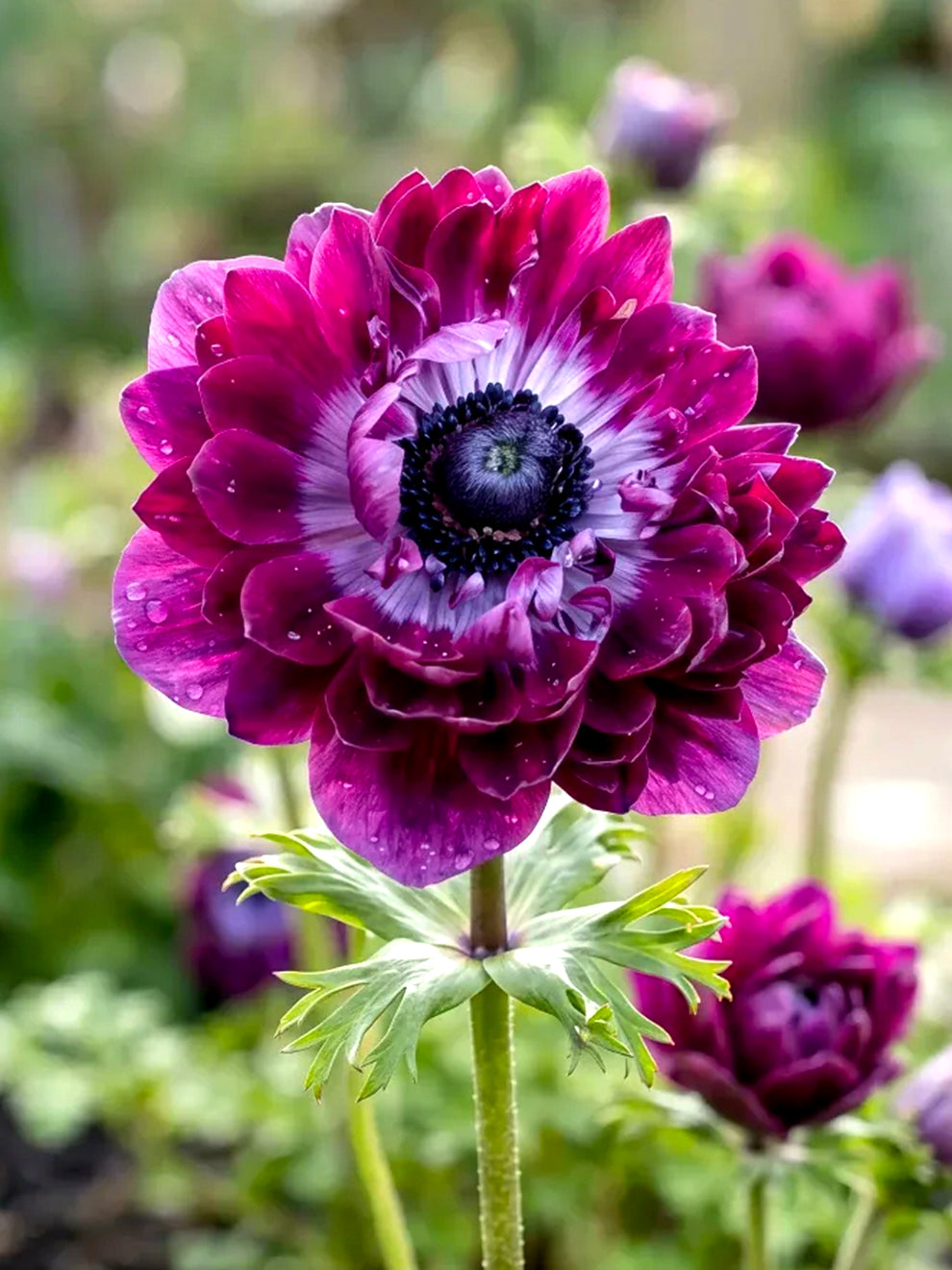
For a spring cutting bed, Anemone Fullstar Bordeaux is another distinct option in the UK catalogue. Its page describes fully double burgundy blooms for borders, containers and cutting gardens, with fertile, well drained soil and sun or light shade. It can help add a darker colour note alongside the warm globeflowers, but check its own seasonal and planting information before combining varieties. The DutchGrown™ collection lets you browse further options.
Compare a short list before ordering
A compact comparison keeps the decision tied to your garden rather than a product photograph. The measurements and seasons below are taken from the UK store product pages. Treat them as shortlist details, then open each listing to confirm the current description and stock status.
| Variety | Best fit | Page detail to compare |
|---|---|---|
| Trollius Orange Crest | Compact damp border | 45 to 60 cm tall, late spring to early summer |
| Trollius chinensis Golden Queen | Damp or clay soil | 60 to 90 cm tall, late spring to midsummer |
| Dahlia Wizard of Lightning | Summer colour and cutting | Listed up to 140 cm tall, blooms from July |
In this group, Orange Crest is the compact choice for a damp spot, Golden Queen suits heavier moist soil and gives more height, and Wizard of Lightning moves the display into summer. Every row links to the relevant product page so you can review the actual listing. Current price and availability can change, so use the store page when you are ready to make a decision. The UK store from DutchGrown™ also shows the wider range if none of these fits.
Use a simple ordering checklist
Once a variety fits the site, check the practical details that affect the order and planting day. Product descriptions are informative, but the exact pack format, delivery timing and availability should be confirmed at the point of purchase.
- Choose the planting location and note soil moisture, light and usable space.
- Compare named varieties by season, mature height and spread.
- Read the product page for planting instructions and the supplied plant form.
- Check current stock, delivery information and the total basket at checkout.
For example, a damp border can point toward one of the Trollius varieties, but the space determines whether Orange Crest or Golden Queen is the better fit. A sunny bed for later colour may lead you to Dahlia Wizard of Lightning, although you should verify its full care guidance before adding it to the plan. Use the Orange Crest page, Golden Queen page and Dahlia page as a focused starting shortlist.
DutchGrown suits gardeners who want variety detail
DutchGrown™ is a practical option for gardeners who want to compare named bulbs and perennials by colour, season and growing conditions. The UK store offers a broad choice, and the product descriptions provide more to work with than a name alone. Our recommendation is to shortlist from the conditions of the planting spot, then compare a few relevant listings instead of shopping from the whole catalogue at once.
The limitation is that product pages cannot account for every garden’s local weather, drainage or maintenance needs. The growing information is a starting point, not a guarantee of how a plant will perform in your plot. Confirm the current details and availability, and choose a variety whose stated requirements you can meet. The DutchGrown™ range is most useful when you have a clear location and season in mind.
- For a damp compact area, compare the Orange Crest listing first.
- For heavier wet soil and more height, review Golden Queen.
- For summer colour and cutting, check the Dahlia Wizard of Lightning details.
Frequently asked questions
Which DutchGrown plant suits damp soil?
The product pages describe both Trollius Orange Crest and Trollius chinensis Golden Queen as suited to consistently moist soil. Golden Queen is also described as tolerating heavy and clay soils. Check the Orange Crest and Golden Queen pages for their complete growing notes.
What should I compare before choosing a variety?
Start with the planting spot, then compare soil needs, light, flowering period, height and spread. Also confirm whether the product is supplied as a bulb, corm or established perennial and read the current planting guidance on its product page.
Can I use DutchGrown flowers for cutting?
Several listings mention cut flower use. Dahlia Wizard of Lightning is described for garden and vase displays, while the Trollius pages also note cut flower use. Review each product description for the variety specific details.
Wrapping up
Choose by garden conditions first, then use height and flowering season to narrow the shortlist. DutchGrown™ has useful named options for damp borders and summer colour, including Orange Crest, Golden Queen and Wizard of Lightning. Product information is detailed enough to compare these examples, but your site conditions and the latest availability still need checking.
For a manageable first decision, start with one planting area and compare two or three varieties that suit it. Then review the product page and delivery details before ordering.